The honest answer is that no one has enough days for all of California. The state runs about 800 miles from the Oregon border to Mexico, and San Francisco to Los Angeles alone is roughly 6 hours on Interstate 5 or 9 to 10 hours if you take Highway 1 and stop to look at anything. The mistake first-timers make is trying to see the whole state in a week and spending most of it behind the wheel. The better approach is to decide how many days you have, then match that to one region or two neighboring ones. Here is what each length of trip buys you.
Three To Four Days: Pick One City And Its Backyard
Three or four days is a single base with day trips, not a road trip. If you fly into San Francisco International (SFO), you can spend two days in the city (the Golden Gate Bridge, the Ferry Building, a cable car, Alcatraz if you book ahead) and one or two days reaching Muir Woods, Sausalito, or Napa and Sonoma wine country, both under 90 minutes north. Muir Woods now requires a parking or shuttle reservation booked in advance through gomuirwoods.com, so that day trip is not a spur-of-the-moment call. Fly into Los Angeles International (LAX) instead and you get Santa Monica, Hollywood, Griffith Observatory, and a beach day in Malibu or Manhattan Beach without long drives.
A San Diego long weekend works the same way. Base in the city, split your time between Balboa Park, the beaches at La Jolla, and the old-town Gaslamp Quarter, and you never need to drive more than 30 minutes. Anaheim and Disneyland are only about 90 minutes north if you want a park day, though at $206 and up for a one-day Park Hopper ticket in peak season it is a real line item, not a casual add-on. For a first look at California on a short timeline, resist the urge to add a second city. You will spend the days you gained sitting in traffic on Interstate 5 or the 405. If you are trying to work out how far a car gets you between bases, the getting around California guide lays out the real drive times.
Five To Seven Days: One Road Trip Or Two Regions
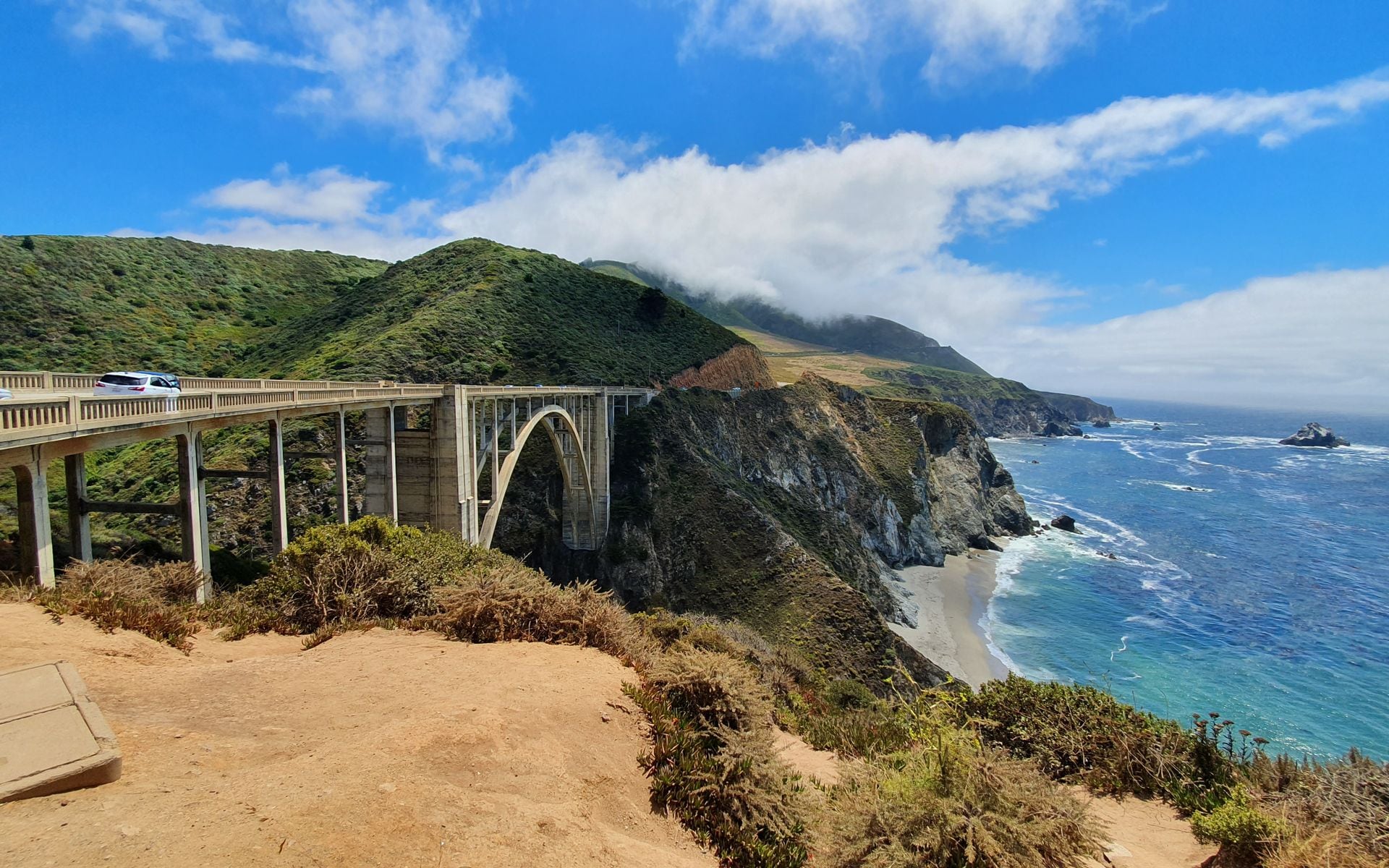
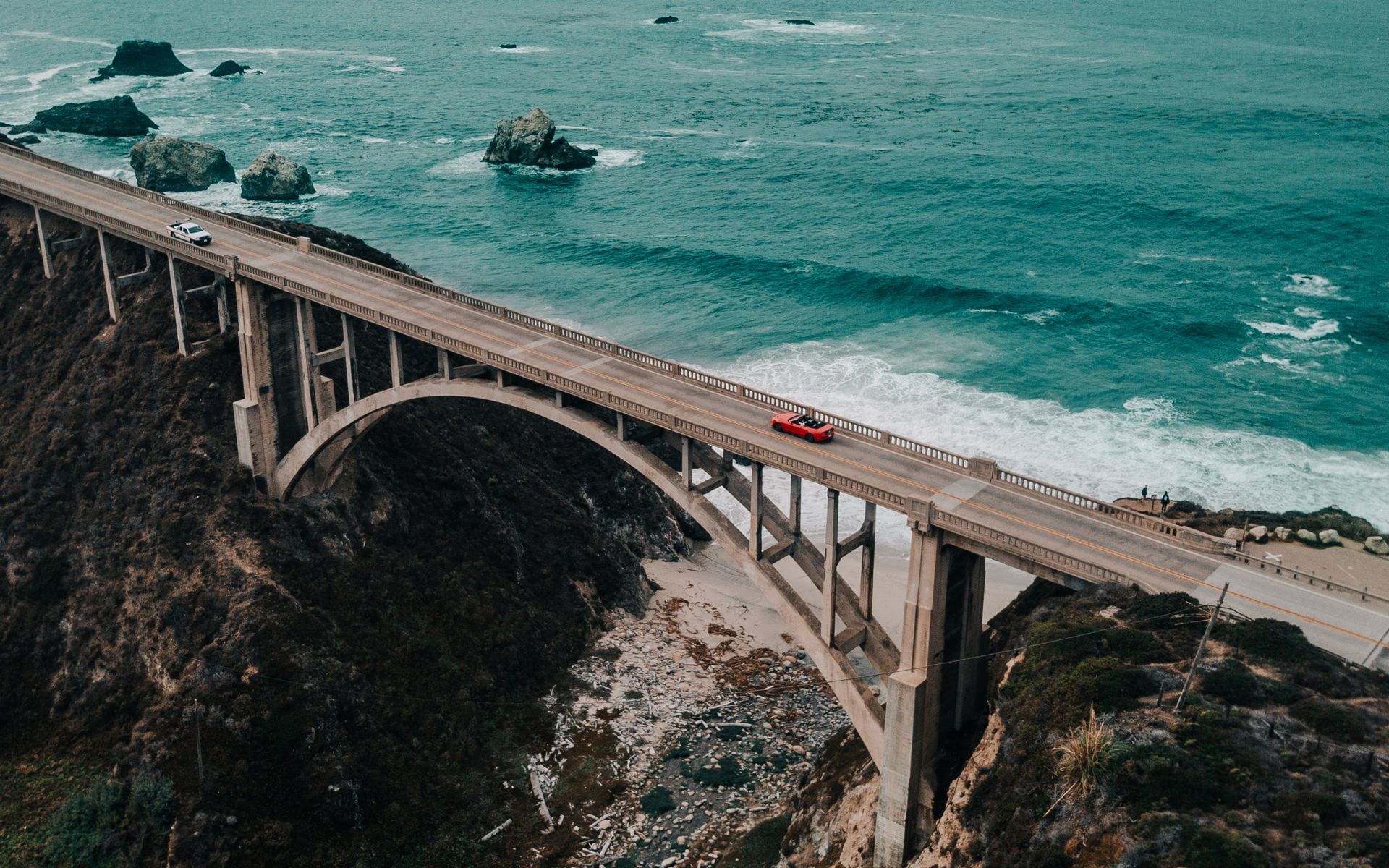
This is the sweet spot for most visitors, and it is where a real 7-day California route starts to make sense. A week gives you enough room for the classic San Francisco to Los Angeles coastal drive with time to stop. A workable version: two nights in San Francisco, one night in Monterey or Carmel, one night in Big Sur or San Luis Obispo, one night in Santa Barbara, then two nights in Los Angeles. That covers the best of Highway 1 without a single day feeling rushed. If the coast is your main draw, read the Pacific Coast Highway guide before you lock in your stops.
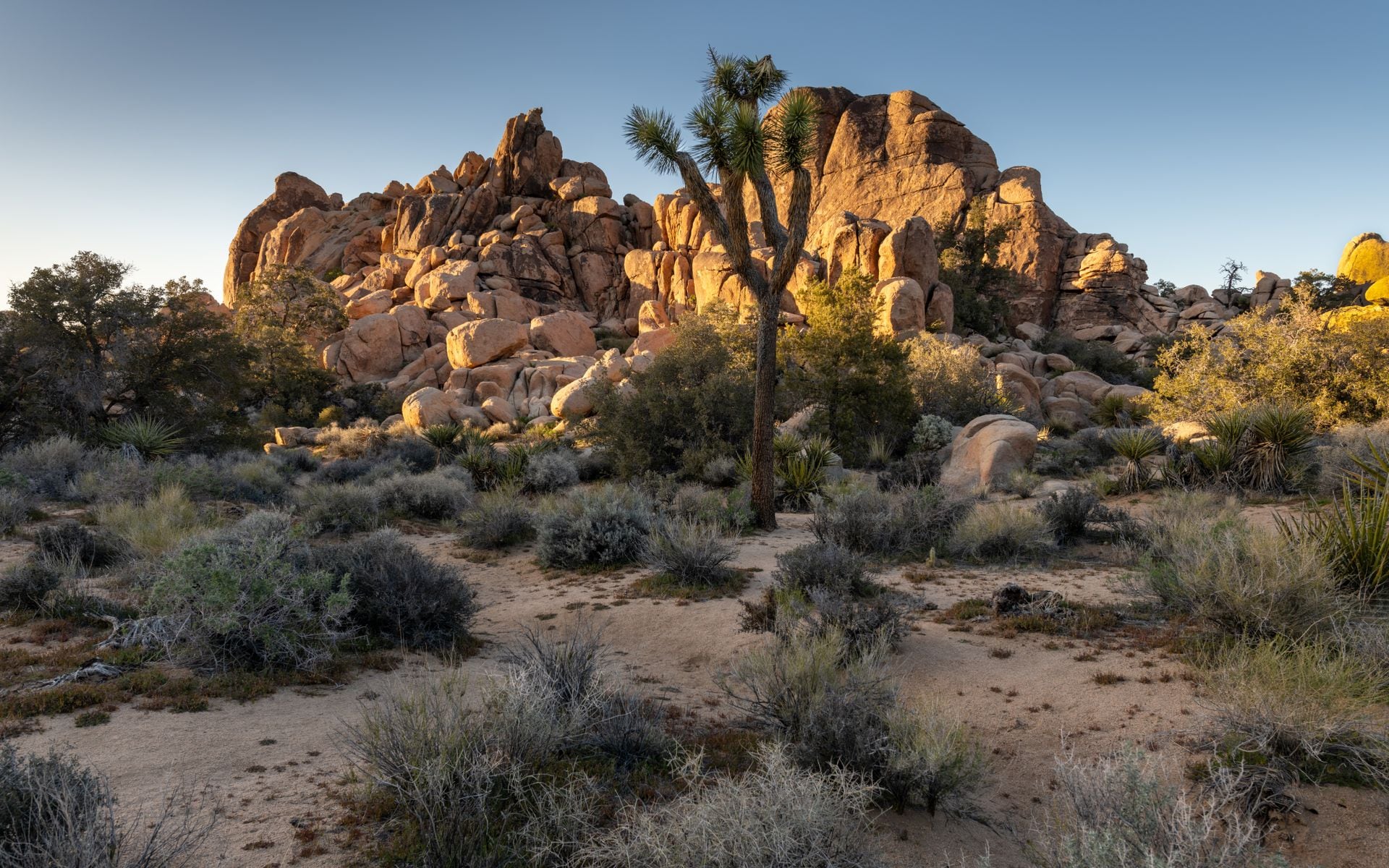
A week also covers a national-park focus. You can pair Yosemite with a couple of days in San Francisco (the valley is about 3.5 to 4 hours from the city), or combine Joshua Tree, Palm Springs, and a night in Los Angeles into a desert-and-city loop. What a week does not cover is Yosemite plus the coast plus the desert. Those sit in different corners of the state, and stitching them together means 12-plus hours of driving you will regret.
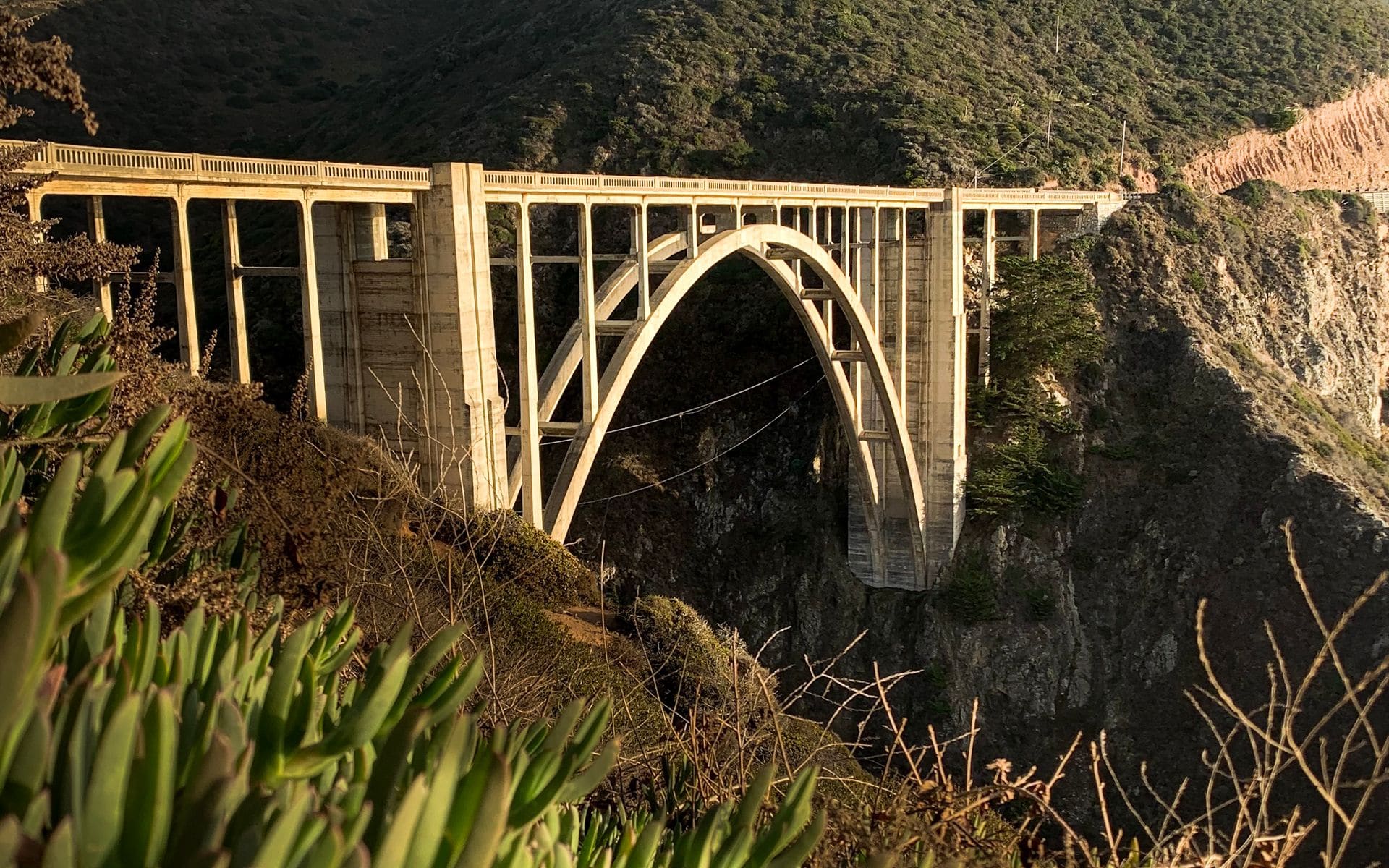
A concrete seven-day coast plan looks like this. Night one and two in San Francisco. Day three, drive to Monterey (about 2.5 hours), tour the Monterey Bay Aquarium, sleep in Monterey or Carmel. Day four, drive the Big Sur stretch to San Luis Obispo, budget the whole day for Bixby Creek Bridge, Point Lobos, and McWay Falls, and sleep in SLO or Cambria. Day five, continue to Santa Barbara (about 2 hours), walk the waterfront and State Street. Days six and seven in Los Angeles. No single driving day tops 3.5 hours, and every night has a real base town.
Ten Days Or More: North And South, Or Parks Plus Coast
With 10 to 14 days you can finally combine regions that are far apart. A strong two-week trip might run San Francisco, down Highway 1 to Los Angeles and San Diego, then inland to Palm Springs and Joshua Tree, or it might pair the coast with a Yosemite and Lake Tahoe leg in the High Sierra. Two weeks is also enough to do both halves of the state properly, which is the whole point of weighing Northern versus Southern California before you book. You stop choosing and start doing both. If you want the north-and-south version mapped out by night, the 10 days in California itinerary does exactly that.
Even with two weeks, keep drives under 4 to 5 hours a day and give the big parks two nights each. Yosemite in particular rewards a second morning, when the shuttle lots are still empty and the light hits Half Dome. Lodges inside the parks book out months ahead. The Ahwahnee, Yosemite Valley Lodge, and Curry Village open their reservation windows well over a year out and sell through the summer fast, so a longer trip needs earlier planning, not less. The same is true for Death Valley’s Oasis at Death Valley and the lodges near Sequoia and Kings Canyon.
A useful way to build a longer trip is to think in three- and four-day blocks and string them together. Four days on the coast, three in the Sierra, three in the desert, and two in a city adds up to a full two weeks without any single leg feeling like a blur. Leave one day unplanned in the middle. Something will run long, a road will be slow, or you will find a beach town you want an extra afternoon in, and that buffer day keeps the rest of the trip from unraveling.
Here is a two-week version that works. Two nights in San Francisco, then three nights down Highway 1 (Monterey, Big Sur, Santa Barbara). Two nights in Los Angeles for Hollywood, the Getty, and the beaches. Two nights in San Diego for Balboa Park, La Jolla, and the zoo. Two nights in Palm Springs and Joshua Tree for the desert. Then fly home from LAX or Palm Springs. That covers the coast, three major cities, and a desert park in fourteen days, and the longest drive on the whole route is the Big Sur leg, which is slow on purpose. Swap the desert block for Yosemite and Lake Tahoe if you would rather trade sun for granite and pine, though that version only works May through October when the mountain roads are open.
Match Your Days To The Season
Length interacts with timing more than people expect. The Sierra high country, including Yosemite’s Tioga Road (the paved route over to Mono Lake and the eastern Sierra), is generally open only late May through October, and in a heavy snow year it does not clear until June or July. A spring or early-summer trip there loses days to snow-closed passes, which means no direct drive between Yosemite and Mammoth Lakes. The desert parks flip that: Joshua Tree and Death Valley are comfortable October through April and dangerously hot May through September, when Death Valley regularly runs past 115 degrees. The coast is mildest and least foggy in September and October, which is the sweet spot for a Highway 1 trip. Check the best time to visit California against your dates so you are not spending precious days somewhere that is closed or dangerously hot.
Common Mistakes That Waste Days
The most common one is treating San Francisco and Los Angeles as a quick hop because they share a state. They are 380 miles apart, a 6-hour drive on Interstate 5 with nothing to look at, and the whole reason to make that drive is to take Highway 1 slowly instead. If you only have four days, fly between them rather than driving, or pick one and skip the other.
The second mistake is under-budgeting the parks. People pencil in Yosemite as a day trip from San Francisco, drive four hours each way, spend three hours in the valley fighting for parking at the trailheads, and leave having seen almost nothing. Yosemite deserves two nights inside or just outside the park. The same goes for a rushed single night in Big Sur, where the point is the driving and the stopping, not ticking a box.
The third is ignoring traffic math in the south. A 25-mile hop from Santa Monica to Disneyland can take 45 minutes at 10 a.m. or two hours at 5 p.m. Cluster your Southern California days by geography, do the theme parks and beaches on separate days, and never plan to cross Los Angeles during the afternoon rush if you can help it.
The Short Version
Three to four days means one city. Five to seven means one road trip or two neighboring regions. Ten or more means you can combine the north and the south, or the parks and the coast, without living in the car. Whatever you have, pick your region first and let the map do the cutting. California will still be here for the next trip, and most people who come once come back.