Start With the Region, Not the Airport
The most common California flight mistake is booking into LAX or SFO out of habit and then driving hours to the part of the state you came to see. California is 800 miles long. Landing at the wrong end can cost you a full day of driving each way. Decide which region anchors your trip first, then pick the closest airport that has the fares and connections you need.
The two primary gateways are Los Angeles International (LAX) and San Francisco International (SFO). They have the most nonstop routes, the most international service, and usually the widest choice of rental cars. But they are also the biggest, busiest, and often the most stressful to get in and out of. For many trips a smaller airport closer to your first stop is the better call.
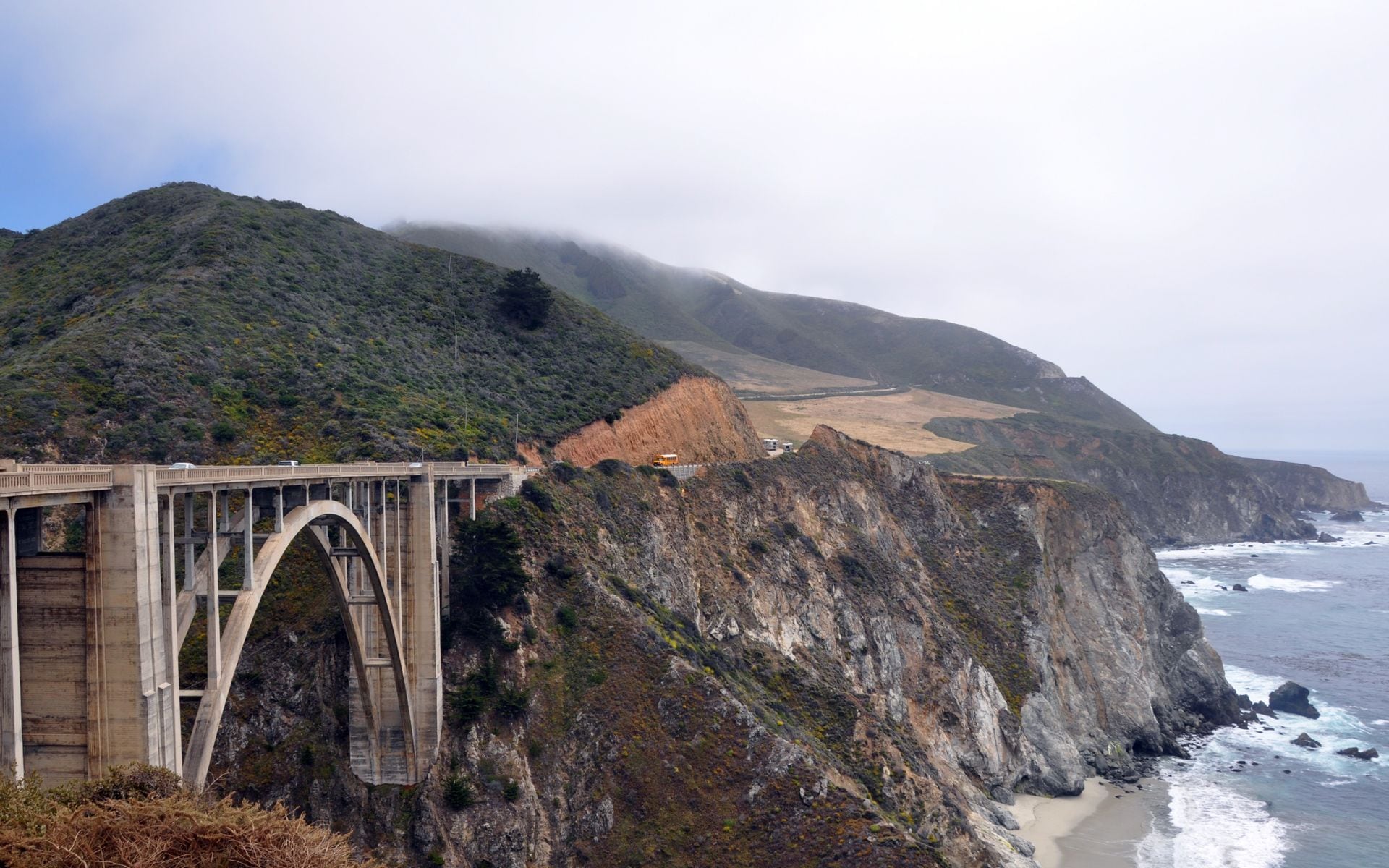
If your itinerary crosses the state, consider an open-jaw booking: fly into one airport and out of another. Flying into SFO and out of LAX (or the reverse) lets you drive the coast one direction without doubling back, which is the natural shape of a Highway 1 road trip.
The Two Major Gateways: LAX and SFO
Los Angeles International (LAX) is the anchor for Southern California: Los Angeles, the beach cities, Orange County, and the desert parks beyond. It has the broadest international network in the state and the most domestic nonstops. It is also sprawling and traffic-choked, so budget extra time for pickup, drop-off, and the drive out. From LAX it is about 2 hours to San Diego and about 2 hours to Palm Springs without traffic.
San Francisco International (SFO) is the gateway for Northern California: the city, the San Francisco Bay Area, wine country, and the northern coast. It connects to downtown San Francisco directly by BART, which is genuinely useful if you are staying in the city before picking up a car. SFO also puts you within about 3.5 to 4 hours of Yosemite Valley and roughly 3 hours of Lake Tahoe.
Both gateways sit far from the mountains. If Yosemite, Sequoia, or Tahoe is your main target, one of the secondary or regional airports below may cut hours off your drive.
Secondary Hubs Worth Choosing Instead
Five secondary airports often beat the big two for convenience, and sometimes on price. San Diego International (SAN) sits minutes from downtown San Diego and the southern beaches, and it is the obvious choice for a San Diego and La Jolla trip. San Jose (SJC) serves the South Bay and Silicon Valley and is an easy alternative to SFO for the southern half of the Bay Area and the drive toward Monterey.
Oakland (OAK) is the third Bay Area airport, often cheaper and less crowded than SFO, and well placed for the East Bay and wine country. Sacramento (SMF) is the smart pick for anyone heading to Lake Tahoe, Gold Country, or the northern Sierra, since it trims the mountain drive compared with the coastal airports. Orange County / John Wayne (SNA) drops you right into Anaheim and Disneyland territory and the Orange County beaches, avoiding LAX entirely.
For a Disneyland-and-beaches family trip, SNA is almost always a better landing than LAX. For a Tahoe ski week, SMF usually beats both big gateways. Match the hub to the trip and the drive gets shorter.
Regional Airports for Specific Trips
Five regional airports serve narrower needs but can be the difference-maker. Palm Springs (PSP) is the desert gateway, dropping you into the Coachella Valley within easy reach of Joshua Tree, and it is busiest in the cool October-through-April season. Santa Barbara (SBA) puts you on the Central Coast wine and beach scene without the LA drive. Monterey (MRY) is small but sits right at the north end of Big Sur and the Monterey Peninsula.
Fresno (FAT) is the one to know for the parks: it is the closest airport to both Yosemite and Sequoia, cutting the approach drive to roughly 1.5 to 2.5 hours depending on the entrance. Burbank (BUR) is a smaller, far less stressful alternative to LAX for the LA area, handy for Hollywood, the studios, and the San Fernando Valley.
Regional airports carry fewer routes and often higher fares, so weigh the ticket price against the drive time you save. For a parks-focused trip, paying a bit more to land at FAT instead of SFO can buy back most of a travel day.
Getting From the Airport to Your Trip
Outside the core of San Francisco, plan on renting a car. California distances are long and the parks, coast, and desert are not served by transit. Every major airport here has on-site or shuttle-connected rental counters, and picking the car up at your arrival airport is almost always simpler than trying to add one mid-trip. For the full rundown on driving, transit, and connecting regions, see the getting around California guide.
A few airports have real transit links worth using. BART runs directly into SFO and connects it to downtown San Francisco and Oakland. Amtrak's Pacific Surfliner links the San Diego, LA, and Santa Barbara areas along the coast, which pairs well with SAN or SBA if part of your trip is city-based. Beyond those, a car is the practical answer.
Line the airport choice up with your season and your route before you book. The month you travel shapes which regions make sense, so cross-check the best time to visit guide, then anchor your flights to the region you are starting in and build out from there with the full California travel guide.
Frequently asked questions
What is the closest airport to Yosemite?
Fresno (FAT) is the closest major airport to Yosemite, roughly 1.5 to 2.5 hours from the park entrances depending on which gate you use. It is also the closest to Sequoia and Kings Canyon. From SFO the drive to Yosemite Valley runs about 3.5 to 4 hours.
Should I fly into LAX or SFO?
Fly into LAX for Southern California (LA, San Diego, Orange County, the desert parks) and SFO for Northern California (San Francisco, wine country, the northern coast, and Yosemite from the west). If your trip crosses the state, book an open-jaw ticket into one and out of the other.
Which airport is best for Disneyland?
Orange County / John Wayne (SNA) is the closest and least stressful airport to Anaheim and Disneyland, usually a 15 to 20 minute drive. It beats LAX for a theme-park-and-beaches trip. Long Beach and LAX are backups if SNA fares are high.
What is the best airport for Lake Tahoe?
Sacramento (SMF) is the smart choice for Lake Tahoe, since it shortens the mountain drive to roughly 1.5 to 2 hours in good conditions. Reno-Tahoe across the Nevada line is also close to the north shore. In winter, watch for tire-chain requirements on the passes.