People treat this like one decision, but Northern and Southern California are almost two different states stapled together at the middle. The north is cooler, foggier, greener, and more compact once you are in the Bay Area. The south is warmer, drier, sprawling, and built around beaches and theme parks. Neither is better. They just serve different trips. Here is how to read the trade-offs and pick the half that matches what you want to do. If you want the deeper breakdown, the full Northern vs Southern California planner goes region by region.
The Quick Comparison
| Factor | Northern California | Southern California |
|---|---|---|
| Signature draw | San Francisco, redwoods, Napa and Sonoma wine, Yosemite | Beaches, Disneyland, Hollywood, San Diego |
| Summer weather | Cool and foggy on the coast, 60s in SF | Warm and sunny, 75 to 85 at the beaches |
| Best months | September and October | Year-round, warmest August to October |
| Getting around | Compact core, but a car needed for parks | Long drives, heavy traffic on the 405 and 5 |
| Water temperature | Cold, wetsuit territory (55 to 60°F) | Warmer, swimmable in late summer (65 to 70°F) |
| Vibe | Outdoorsy, food-forward, a little cooler | Relaxed, beachy, entertainment-driven |
| Best for kids | Redwoods and the aquarium, but cooler | Theme parks, warm beaches, the San Diego Zoo |
| Wine | Napa and Sonoma, the state’s headline region | Santa Ynez, Paso Robles, Temecula |
| Hotel cost | High in SF, among the priciest in the US | More towns, more price levels, easier to trade down |
| Main airport | San Francisco (SFO), Oakland (OAK), San Jose (SJC) | Los Angeles (LAX), San Diego (SAN), John Wayne (SNA) |
The single biggest surprise for first-timers is summer temperature. San Francisco in July is genuinely cool, often in the 60s with fog burning off by afternoon and dropping back in by evening, while San Diego and Los Angeles sit in the comfortable high 70s. Mark Twain never said the line about the coldest winter being a summer in San Francisco, but the sentiment holds: bring a jacket in August. If your mental image of California is a warm beach day, that lives in the south for most of the year. The one wrinkle is late summer and early fall, when San Francisco finally warms and September and October give the northern coast its clearest, warmest stretch. Weigh your dates against the best time to visit California before you decide, because the same week can be a fog bank in one half and a beach day in the other.
Northern California: Cooler, Greener, More Outdoors
The north is where California does dramatic landscape. San Francisco anchors it, with the Golden Gate Bridge, the Ferry Building food scene, and Alcatraz, and within two hours you can reach the redwoods at Muir Woods, the beaches and headlands of Point Reyes, and the wine towns of Napa Valley and Sonoma. Push farther and you hit Yosemite in the Sierra (about 3.5 to 4 hours from the city), Lake Tahoe on the Nevada line, and the foggy redwood coast up toward Mendocino and Eureka, where Redwood National and State Parks hold the tallest trees on earth.
This half rewards travelers who want to be outside and eat well. Wine tasting in Sonoma, a walk under 300-foot redwoods, and a morning at a farmers market fit one trip. Napa alone is a full day: tasting fees now run roughly $40 to $75 per person at the marquee wineries, and many require a reservation, so this is a plan-ahead region, not a drop-in one. The coast here is cold and often fogged in through summer, so this is not your swim-and-sunbathe half. It is your hike, drive, and taste half. Pack layers even in August, because the marine layer does not care what the calendar says. If you are trying to price a Bay Area trip against a Southern California one, the trip cost and budget guide shows where the money goes.
Southern California: Warmer, Beachier, More To Do With Kids
The south is sun, sand, and attractions. Los Angeles gives you Hollywood, the Getty (free to enter, $25 to park), Santa Monica Pier, and beach towns from Malibu to Manhattan Beach. Anaheim has Disneyland and Disney California Adventure. San Diego adds the San Diego Zoo, Balboa Park, and the sea coves at La Jolla, plus the warmest, most swimmable ocean in the state from August into October. Inland, Palm Springs and Joshua Tree sit about two hours from Los Angeles for a desert add-on that runs comfortable October through April. The whole of the Deserts region flips to its best season exactly when the northern coast turns cold and wet.
This is the easier half for families and first-time visitors who want warm weather guaranteed. The catch is scale and traffic. Southern California is enormous and spread out, and drives that look short on a map turn long on Interstate 405 or Interstate 5 at rush hour. Budget extra time and try to avoid crossing Los Angeles between 3 and 7 p.m.
The south also stays open year-round in a way the north does not. Where Yosemite’s Tioga Road closes for winter and the redwood coast turns cold and wet, Southern California’s beaches, parks, and attractions run every month. Winter is a fine time for Palm Springs and Joshua Tree, when the desert cools into the 70s, and Disneyland runs slightly thinner between the holiday peaks. That reliability is a real reason to lean south if your travel dates are locked to a cold-weather month back home.
What A Long Weekend Looks Like In Each
If you only have three or four days and want a sense of the two halves side by side, here is the shape of each. A northern long weekend bases in San Francisco: a full day in the city, a day up to Muir Woods and out to Point Reyes or over to Napa and Sonoma for tasting, and a third day either on Highway 1 down to Santa Cruz and Monterey or up the coast toward Bodega Bay. You spend it cool, layered, and eating well. The scenery is the reward, and the ocean stays a spectator sport.
A southern long weekend splits differently. Base in Los Angeles for Hollywood, the Getty, and a Santa Monica or Venice beach day, then peel off for a Disneyland day in Anaheim or a run down to San Diego for the zoo, Balboa Park, and La Jolla. Or skip the cities entirely and base in Palm Springs for pool time and a day in Joshua Tree. The through-line is warmth and things to do, and the ocean is swimmable in late summer. Same state, genuinely different vacation.
Cost, Distance, And Doing Both
Neither half is cheap, but the specific costs differ. San Francisco hotel rates rival any city in the country, often $300-plus a night in season, while Southern California spreads across more towns and price levels, so you have more room to trade down between Santa Monica, Anaheim, and the inland valleys. Rental cars, gas, and park fees hit both the same. Yosemite charges $35 per vehicle for seven days, the same as Joshua Tree and Death Valley, and an $80 America the Beautiful annual pass pays for itself if you hit three or more federal parks.
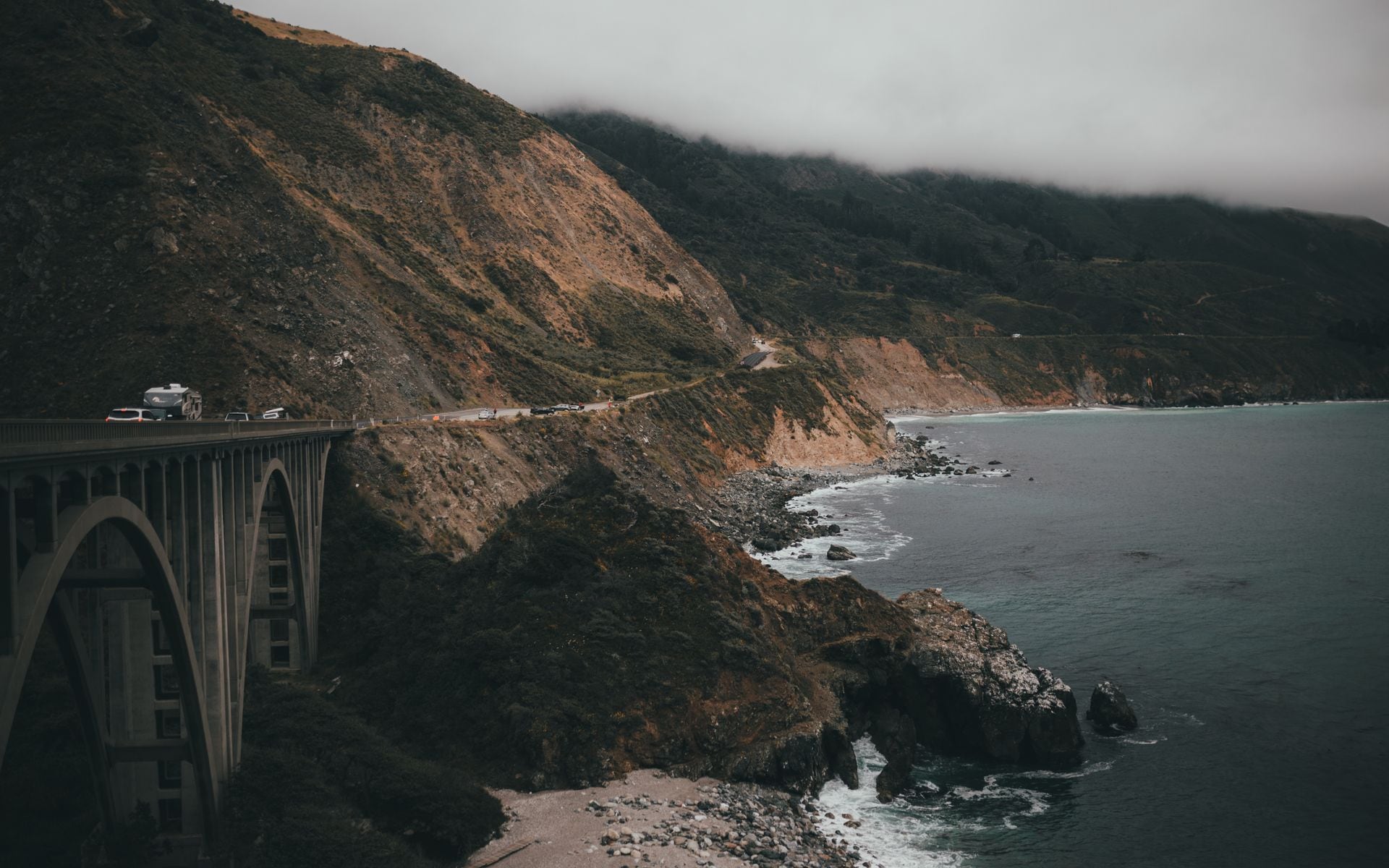
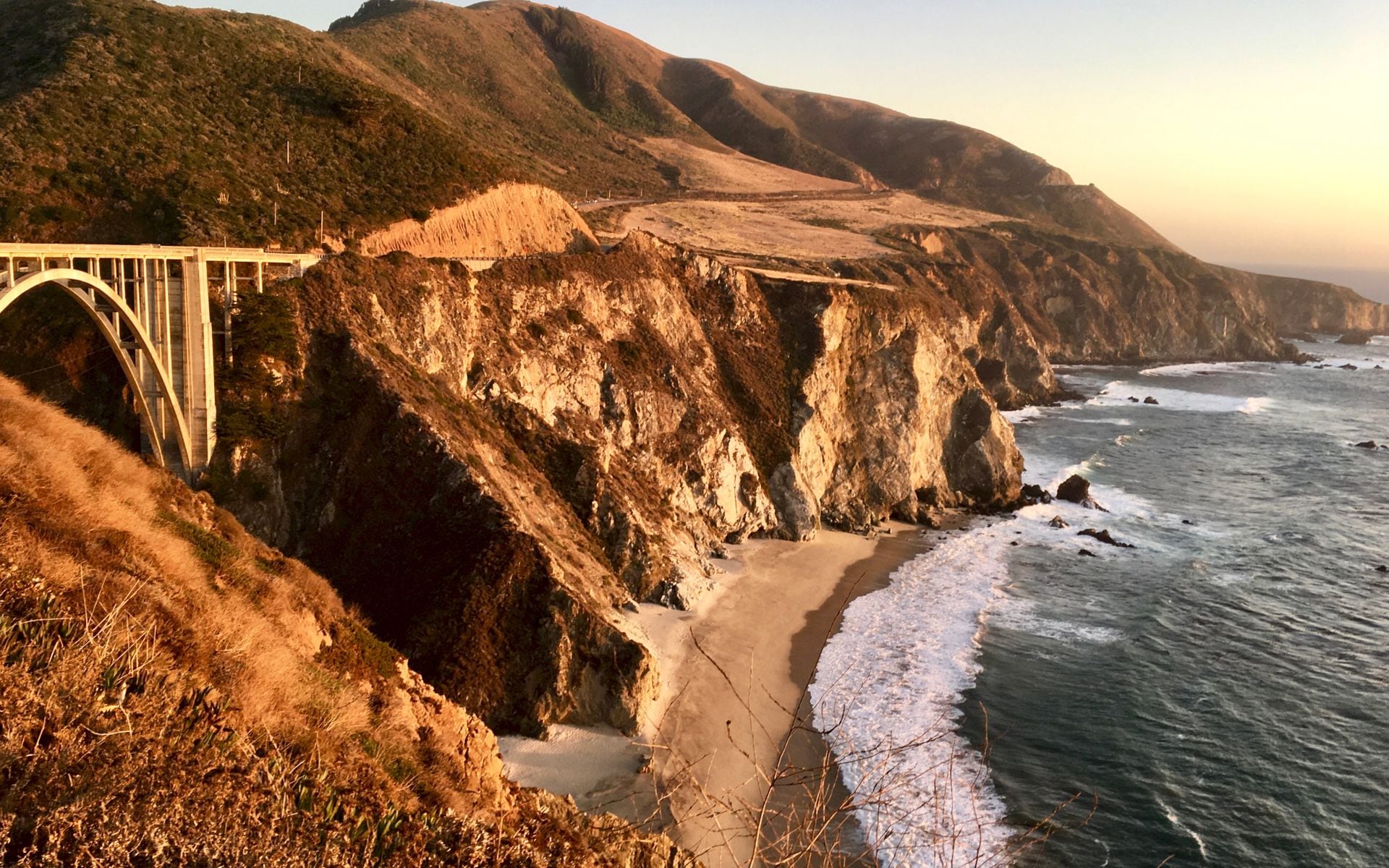
You do not always have to choose. San Francisco to Los Angeles is about 6 hours on Interstate 5 or 9 to 10 hours on Highway 1 with stops, which is exactly why the coastal drive is the classic way to link the two. If you have 10 days or more, do both halves and let the Pacific Coast Highway guide tie them together. If you have a week, pick one half and go deep. And whichever way you lean, check the best time to drive Highway 1 so the road between them is open and clear when you cross.
One thing worth knowing before you split a trip: the two halves are not symmetric on flights. Flying into SFO and out of LAX (an open-jaw ticket) costs about the same as a round trip on most airlines and saves you the backtrack, which makes the north-to-south coastal drive far more practical than it looks. Drop your rental car in Los Angeles rather than returning it to San Francisco, and budget the one-way fee, usually a modest surcharge on a California in-state return. That single booking choice is what turns “should I pick the north or the south” into “I can do both and only unpack twice.”
So Which One?
Choose the north if you want redwoods, wine, cooler weather, and Yosemite, and you do not mind trading beach days for hikes and tastings. Choose the south if you want warm sun, swimmable beaches, theme parks, and an easy trip for kids. Choose both if you have the days and want the drive that connects them. If you are traveling with young kids in winter, the south is the safer bet on weather alone, since the northern coast and the Sierra are cold and often wet from December through March. There is no wrong answer here, only the trip you feel like taking.