What to Expect
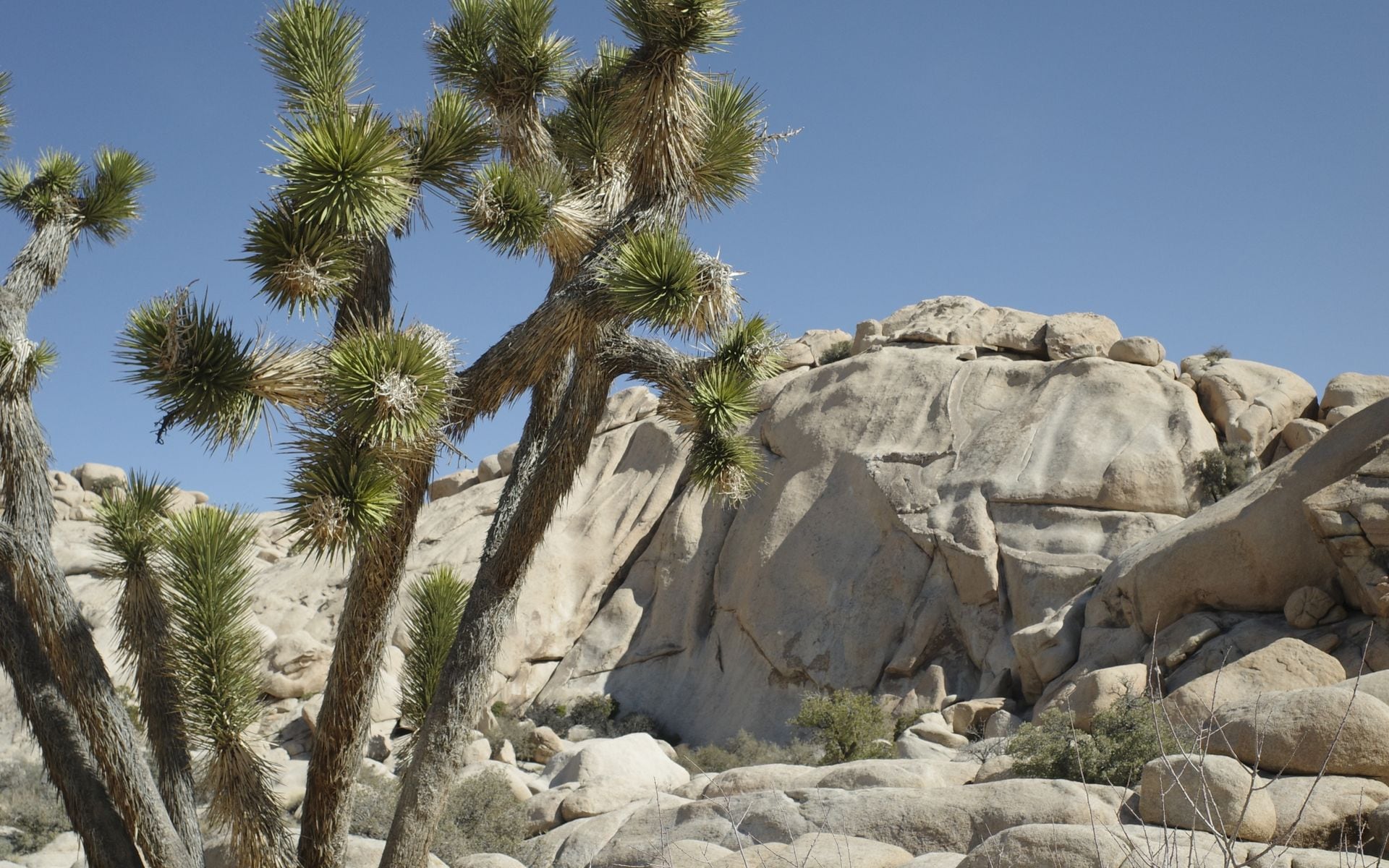
Joshua Tree covers about 800,000 acres where two deserts come together. The western, higher half is Mojave country above 3,000 feet, and that is where the Joshua trees grow, clustered among piles of rounded granite boulders that make the park a well-regarded rock-climbing destination. The eastern, lower half is Colorado Desert, hotter and more open, with creosote flats and stands of spindly ocotillo and cholla cactus. The transition between the two is visible as you drive south through the park.
This is a dry, exposed park with almost no shade and no reliable drinking water inside, so you carry everything you need. Days in the cool season are pleasant and nights get cold, sometimes below freezing in winter. Because the air is so clear and the park is far from big-city light, Joshua Tree is one of the premier stargazing spots in Southern California, designated an International Dark Sky Park.
Joshua Tree anchors the southern end of California's desert region, an easy pairing with nearby Palm Springs. It is a staple of any tour of the state's national parks and a fixture on our list of the best national parks in California.
What to Do
Most first visits are a drive-and-short-walk day, and the park is well set up for it. Hidden Valley is the signature stop, a one-mile loop that winds through a bowl of boulders once used to hide stolen cattle, and it is the best quick introduction to the park's rock and trees. Barker Dam, a 1.3-mile loop nearby, passes a small cattle-era reservoir and Native American petroglyphs. Skull Rock sits right beside the main road, a granite boulder eroded into a skull shape, with a short loop trail around it.
For a view, drive up to Keys View at 5,185 feet for a look across the entire Coachella Valley to the Salton Sea, with the San Andreas Fault traceable on the valley floor below. For a workout, Ryan Mountain is a 3-mile round-trip climb of about 1,000 feet to the best panorama in the park. Down in the low desert, the Cholla Cactus Garden is a quarter-mile loop through a dense stand of teddybear cholla that glows when backlit at sunrise or sunset.
Joshua Tree is a magnet for rock climbers, with thousands of routes on the grippy quartz monzonite, and local guide services run beginner sessions if you want to try it. It is also a favorite for camping and photography. However you spend the day, it slots neatly into a Southern California desert loop alongside the state's other national parks.
Getting There and Parking
There are three entrances. The West Entrance at the town of Joshua Tree (off Highway 62) is closest to Hidden Valley and the densest Joshua tree stands and is the busiest gate. The North Entrance at Twentynine Palms, near the Oasis Visitor Center, is a good alternative that often has shorter lines. The South Entrance at Cottonwood, off Interstate 10, is the low-desert approach and the natural way in if you are driving from the Palm Springs side.
Palm Springs International (PSP) is the closest airport, about 45 minutes to an hour from the West Entrance. From Los Angeles it is roughly two and a half hours by road, and from San Diego about three. Palm Springs itself sits only 40 to 60 minutes from the park, which is why so many people base there and day-trip in. As with every desert park, you need a car.
Joshua Tree does not require timed entry or a reservation, so you can arrive any time. Entrance is $30 per vehicle for seven days. The West Entrance line can back up on cool-season weekend mornings, so arrive early or use the Twentynine Palms gate. Fill your gas tank and buy all your water and food before you enter, because there are no services and no drinking water at most points inside the park.
Best Time to Go
October through April is the season, same as the rest of the California desert. Daytime highs in the cool months run comfortably in the 60s and 70s, ideal for hiking and climbing, and the nights are cold and clear for stargazing. December and January can be genuinely cold after dark, occasionally dipping below freezing, so bring warm layers if you plan to stay out for the stars.
Spring, roughly March into April, is the most popular stretch, both for mild weather and for the chance of a wildflower bloom, which in a good year carpets the low desert around the Cottonwood entrance. Weekends and spring break get busy, and the West Entrance line reflects it, so start at dawn. Fall is quieter than spring with equally good temperatures.
May through September brings desert heat, with highs regularly in the 100s. Early mornings are still workable for a short hike, but midday summer visits mean staying near the car and skipping the exposed trails. If summer is your only window, plan sunrise outings, carry extra water, and treat the middle of the day as drive-and-view time only.
Where to Stay and Eat
There is no lodging inside Joshua Tree, only campgrounds, so you sleep in the gateway towns or in Palm Springs. The towns of Joshua Tree, Yucca Valley, and Twentynine Palms along Highway 62 are full of vacation-rental homesteads and small motels, including the long-running Twentynine Palms Inn near the North Entrance. Down in the valley, Palm Springs offers the widest range of resorts and hotels and is only about an hour from the park.
For food and a break from the desert, Palm Springs is the anchor. Farm serves French country cooking in a courtyard setting, and Billy Reed's Restaurant, Bakery, and Bar is a reliable, long-established diner-style spot. If you want more than the park, the Palm Springs Aerial Tramway climbs from the desert floor to over 8,500 feet on Mount San Jacinto in minutes, a striking contrast to a day among the Joshua trees, and Miramonte Winery in the nearby Coachella Valley makes an easy tasting stop.
Inside the park itself there is no food, water, or fuel, so treat it like the backcountry it is: bring a full cooler, plenty of water, and everything you need for the day. Joshua Tree is one of the headline stops in California's desert region, easy to combine with Palm Springs and Death Valley on a longer desert road trip.
Frequently asked questions
How far is Joshua Tree from Palm Springs?
About 40 to 60 minutes, depending on which entrance you use. Palm Springs International (PSP) is the closest airport, roughly 45 minutes to an hour from the West Entrance, which is why most visitors base in Palm Springs or the Highway 62 towns and day-trip into the park.
Do I need a reservation to enter Joshua Tree?
No. Joshua Tree does not use timed entry or reservations, so you can arrive any time. You pay a $30-per-vehicle entrance fee, valid for seven days. On cool-season weekend mornings the West Entrance line can be long, so arrive early or enter through the Twentynine Palms (North) gate.
When is the best time to visit Joshua Tree?
October through April, when daytime highs are in the 60s and 70s and the nights are cold and clear for stargazing. Spring is peak season for mild weather and a possible wildflower bloom. Summer highs reach the 100s, so a summer visit means dawn hikes and midday only from the car.
How many days do you need in Joshua Tree?
One full day is enough to see the highlights: Hidden Valley, Barker Dam, Skull Rock, Keys View, and the Cholla Cactus Garden, with time for a sunset. Add a second day if you want to climb Ryan Mountain, try rock climbing, or spend a night stargazing in this designated Dark Sky Park.
Is there water inside the park?
Barely. There is no reliable drinking water at most points in Joshua Tree and no food or fuel inside the park, so fill your gas tank and buy all your water and supplies in the gateway towns before you enter. Carry more water than you expect to drink, especially in warm months.