What Defines the Bay Area
The San Francisco Bay Area wraps around a large inland bay in Northern California, and the water shapes everything. San Francisco sits on a hilly peninsula on the west side, Oakland and Berkeley face it across the bay to the east, and San Jose anchors the south end in Silicon Valley. Ring roads and bridges tie the three together, but the drive times between them are longer than the map suggests once traffic loads up. This is the cultural and food capital of the north, and it is also the launch point for wine country, the redwood coast, and the Sierra.
Weather here is not what most first-timers expect. Summer mornings in the city are cool and gray, and the fog can hang over the western neighborhoods and the bridge until early afternoon. September and October are usually the warmest, clearest months in San Francisco, which makes fall the smart time to visit. Pack layers no matter the season: it can be sunny and 70 in the East Bay and foggy and 55 at Ocean Beach on the same afternoon. For the wider picture of how the state's regions connect, start with the California travel guide.
The Bay is also your practical hub for going farther. Napa and Sonoma are about 60 to 90 minutes north, Lake Tahoe is around 3.5 to 4 hours east, and Yosemite is roughly 3.5 to 4 hours southeast. If you are debating a Northern California trip against a Southern California one built around San Diego and Orange County, the Bay Area is the natural base for the north.
Main Bases and Where to Stay
For a first trip, base in San Francisco. Union Square and the area around it put you within walking distance of shopping, transit, and the cable car lines, and Fisherman's Wharf and the Embarcadero give you the waterfront. The where to stay in California guide breaks down the trade-offs between neighborhoods, but the short version is that downtown and the wharf are the most convenient for a short stay, while the Marina and Nob Hill are quieter.
On the higher end, the Fairmont San Francisco crowns Nob Hill with big rooms and a famous lobby, and the Argonaut Hotel sits right on the wharf inside a converted warehouse if you want the water at your door. For dependable full-service downtown, the Hilton San Francisco Union Square and the Hyatt Regency San Francisco both put you steps from BART and the cable cars. Book several weeks out for fall, when hotel rates in the city run high.
If your trip leans toward tech-corridor visits or a cheaper landing, San Jose and the South Bay have more space and lower rates, though you trade the city's walkability for more driving. Oakland and Berkeley across the bay give you a shorter hop to wine country and the north with easier parking.
Top Places to Prioritize
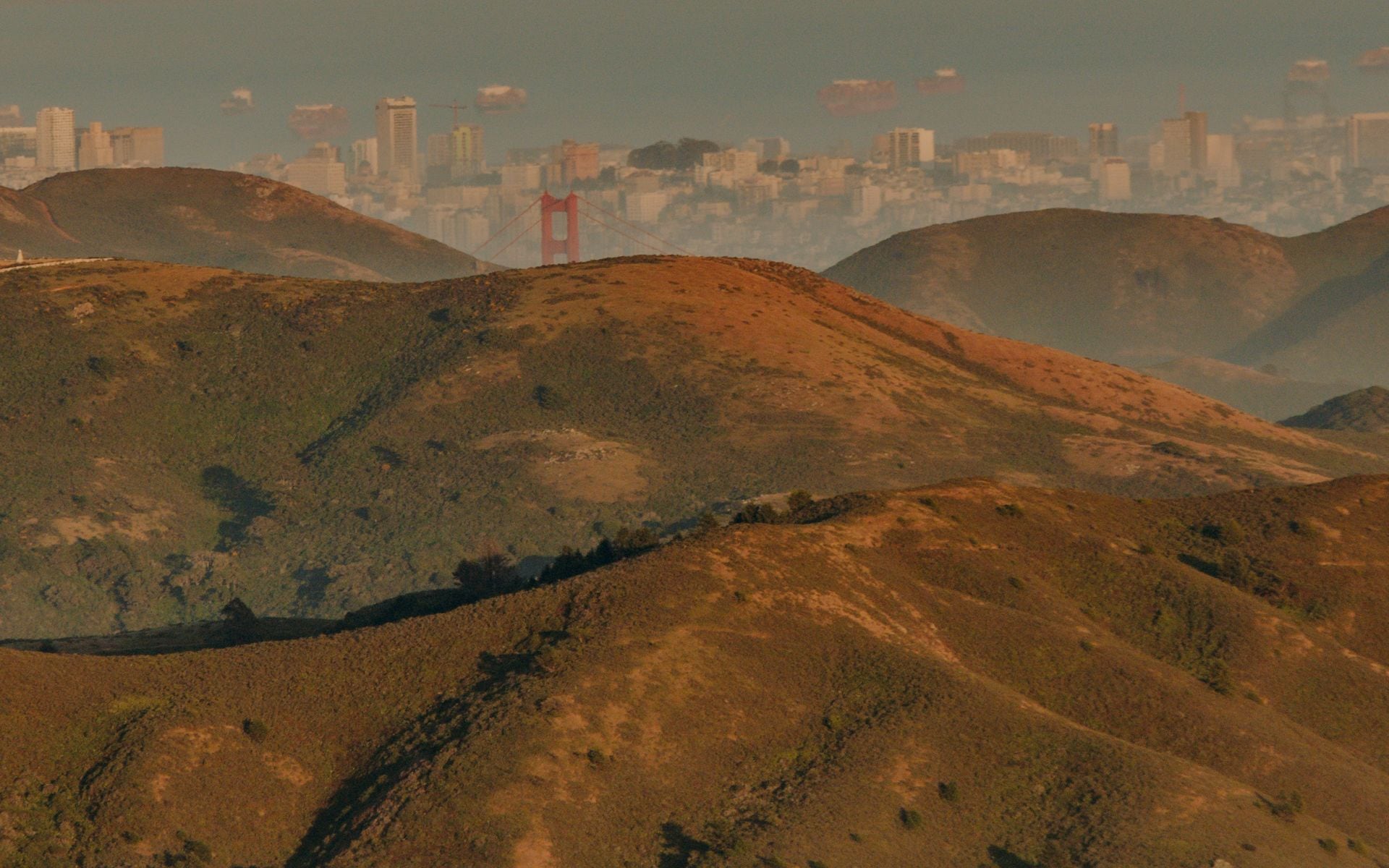
Start with the Golden Gate Bridge. The best free viewpoints are the Marin Headlands on the north side and Battery Spencer for the classic skyline-behind-the-towers shot, plus Crissy Field and Fort Point underneath on the city side. Walking or biking across and back takes about an hour and a half and is worth doing on a clear afternoon.
Alcatraz Island is the other anchor. The former federal prison sits in the middle of the bay, and the ferry plus audio tour runs a couple of hours. This one sells out days to weeks ahead in summer, so book before you arrive rather than hoping for same-day tickets. From the water you also get one of the better angles on the skyline and the bridge.
Round out the city with Golden Gate Park, the cable cars, and the beaches. The Bay Area does not have warm swimming beaches, but Ocean Beach, Baker Beach, and the Marin coast are worth the drive for the scenery. For where the state's swimmable and scenic sand is, see the best beaches in California roundup. In the South Bay, the Winchester Mystery House in San Jose is a genuinely odd hour if you have kids or a rainy morning.
How Many Days and Getting Around
Give the city itself two full days, three if you want to slow down and add a museum or a neighborhood walk. Add a day for a wine country run to Napa or Sonoma, and another if you want the Marin redwoods at Muir Woods or a drive up the coast. A well-planned Bay Area leg is three to five days before you point the car at Tahoe, Yosemite, or the coast.
Getting around the core of San Francisco is the one place in California where you can skip the rental car. BART connects SFO airport, downtown, and the East Bay, Muni runs the buses and the historic streetcars, and the compact center is walkable if you are ready for the hills. Parking downtown is expensive and garages add up fast, so many visitors wait to pick up a car until they leave the city for wine country or the parks.
You will want a car the moment you leave the city core. Big Bus Tours San Francisco runs hop-on hop-off loops if you would rather not drive at all for a day, but for Napa, the Marin coast, or a Highway 1 run south you need your own wheels. Fly into San Francisco International (SFO) for the shortest transfer, or Oakland (OAK) and San Jose (SJC) as cheaper secondary gateways.
Where to Eat
San Francisco is one of the best eating cities in the country, and you do not need a reservation at a tasting menu to eat well. House of Prime Rib on Van Ness has been carving prime rib tableside since 1949 and is the classic special-occasion room, so book ahead. For a lower-key meal, Brenda's French Soul Food does New Orleans cooking and long brunch lines in the Tenderloin.
Kokkari Estiatorio in the Financial District is the go-to for Greek, with a wood-fired grill and a fireplace that make it feel like a splurge worth planning around. Down on the waterfront, the Ferry Building Marketplace is the easy hit for oysters, coffee, and local producers under one roof, and Fisherman's Wharf still does sourdough bowls and Dungeness crab in season, which runs roughly November through spring.
For a broader dinner budget, the Mission delivers taquerias and some of the city's best value, while the Marina and North Beach cover Italian and neighborhood spots. Whatever you pick, book the marquee rooms in advance on weekends, because the good tables in this city go fast.
Frequently asked questions
How many days do you need in the San Francisco Bay Area?
Two to three days for San Francisco itself covers the bridge, Alcatraz, the cable cars, Golden Gate Park, and the waterfront. Add a day for Napa or Sonoma and another for the Marin coast or redwoods, so three to five days total if the Bay is your base for the north.
Do I need a rental car in San Francisco?
Not for the city itself. BART reaches SFO and the East Bay, Muni covers buses and streetcars, and the center is walkable. You will want a car once you head to wine country, the Marin coast, Tahoe, or Yosemite, so many visitors rent only when they leave the city.
When is the best time to visit the Bay Area?
September and October are usually the warmest and clearest months in San Francisco, since summer mornings are cool and foggy. Spring is pleasant and greener. Winter is mild but wetter, running roughly November through March.
Do I need to book Alcatraz in advance?
Yes. Alcatraz ferry-and-tour tickets regularly sell out days to weeks ahead in summer and on weekends. Book online before your trip rather than counting on same-day availability.
How far is wine country from San Francisco?
Napa and Sonoma are about 60 to 90 minutes north of the city by car, depending on traffic across the bridges. It makes an easy day trip or a one-night add-on to a Bay Area stay.