What to Expect
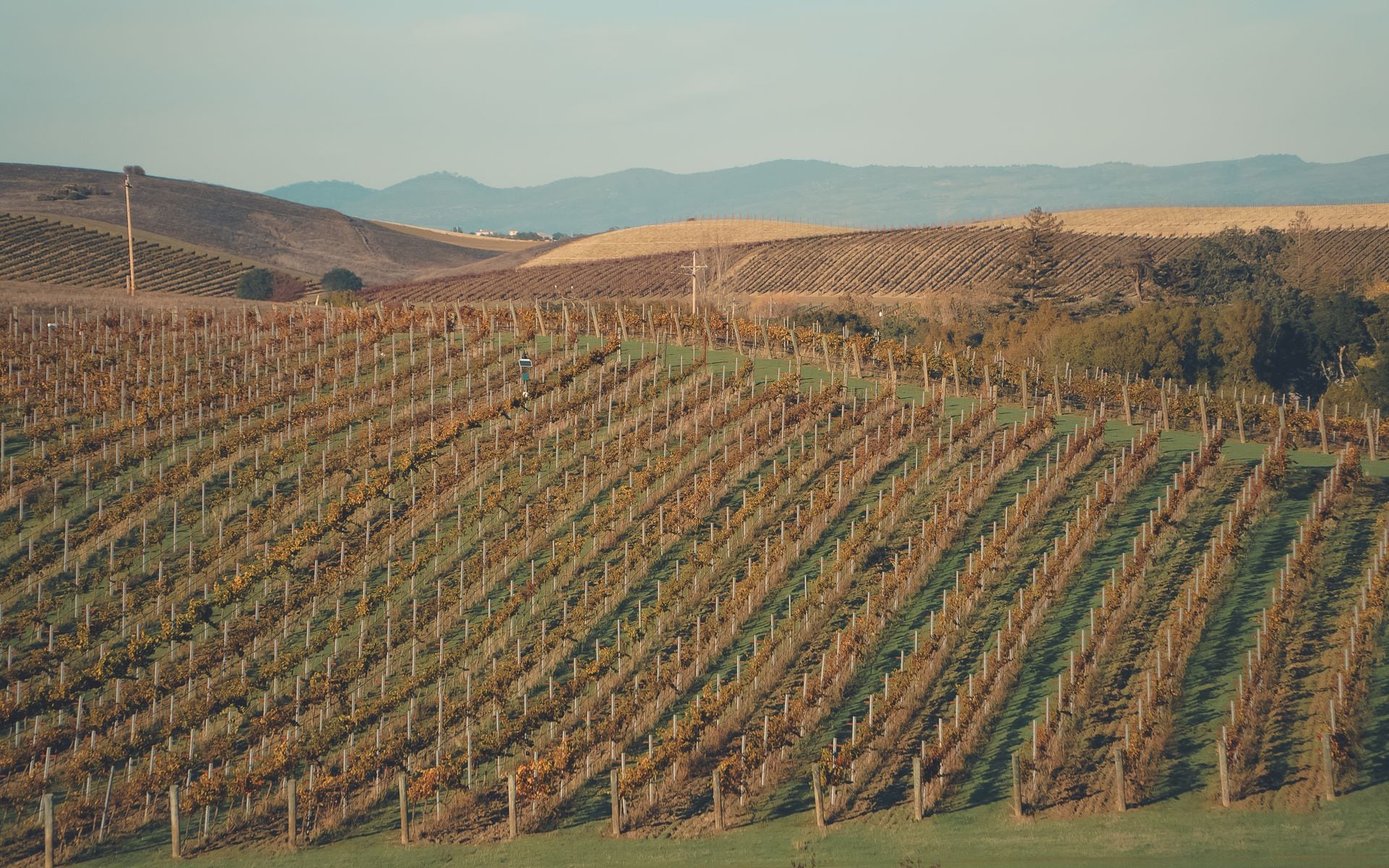
Napa Valley runs about 30 miles from the town of Napa in the south up to Calistoga at the north end, hemmed in by the Mayacamas Mountains on the west and the Vaca Range on the east. Two roads run the length of it: Highway 29, the busy main artery through the towns, and the quieter Silverado Trail one ridge east. Most of your driving is short hops between wineries, rarely more than 15 or 20 minutes, which is the whole appeal. You are not covering ground here, you are working a narrow corridor.
The valley is really a string of small towns, each with its own feel. Napa is the largest and has the walkable downtown and the river. Yountville is the food town, home to Thomas Keller's The French Laundry. Oakville and Rutherford are the heart of Cabernet country, mostly vineyards and tasting rooms. St. Helena is the polished main street, and Calistoga up north trades wine for mud baths and hot springs. Cabernet Sauvignon is the signature grape, though you will find sparkling, Chardonnay, and Sauvignon Blanc throughout.
Understand going in that Napa is a premium destination and priced like one. Tasting fees commonly run $40 to $100 per person, and most wineries now require a reservation rather than walk-ins. That is a change from a decade ago and it shapes how you plan: you cannot just wander the valley and pull in wherever. If you want the broader lay of the land, the Wine Country region guide covers how Napa fits with its neighbor to the west.
What to Do
The core activity is wine tasting, and the trick is restraint. Three wineries in a day is a good pace; four is the ceiling if you want to taste rather than just drink. Space them out and eat a real lunch in the middle. Domaine Carneros, down in the cooler Carneros district near the valley's south end, pours sparkling wine on a hillside terrace modeled on a French château and is one of the easier reservations to get. Trefethen Family Vineyards, in the Oak Knoll district, tastes in a restored 1886 wooden gravity-flow winery, one of the last of its kind.
Up in the heart of the valley, Monticello Vineyards near Napa built its hospitality house after Thomas Jefferson's Monticello and makes a serious Cabernet and Chardonnay program. Baldacci Family Vineyards, tucked into the Stags Leap District on the Silverado Trail, is a smaller family operation known for warm, unhurried tastings and strong Cabernet. Between them these four give you sparkling, historic, and cult-Cabernet all in one loop. For more picks across the state, see our roundup of the best wineries in California.
Beyond the glass, the Napa Valley Wine Train runs a restored vintage rail dining trip up the valley if you would rather not drive. Calistoga is the place for a mud bath or a soak in the geothermal springs, and the Oxbow Public Market in downtown Napa is a good rainy-hour stop for oysters, cheese, and a coffee that is not wine. Hot-air balloon flights lift off at dawn over the vineyards, one of the few genuinely worthwhile add-ons.
Getting There and Around
Napa sits about 50 miles north of San Francisco, a drive of roughly an hour to 90 minutes depending on traffic on Highway 37 and 29. From Oakland or the East Bay it is closer to an hour. San Francisco International (SFO) and Oakland International (OAK) are the two practical airports, both about an hour and a half out. There is no useful train or transit into the valley, so you are driving.
Once you are in the valley, a car is the default, but that raises the obvious problem: someone has to stay under the limit. Plan a designated driver, book a car service, or take a guided tour van if everyone wants to taste. Ride-hailing works in and around the town of Napa but thins out fast up-valley, so do not count on summoning a car from a rural winery at 5 p.m.
Give yourself margin on timing. Highway 29 through St. Helena backs up badly on summer and fall weekend afternoons, and a drive that takes 20 minutes at 10 a.m. can take 45 at 4 p.m. Use the Silverado Trail as your relief valve when the main road clogs. Napa pairs naturally with a swing over to Sonoma Valley, which is 30 to 45 minutes west over the Mayacamas.
Best Time to Go
Fall is the marquee season. Harvest, called crush, runs roughly late August into October, when the wineries are working and the valley smells of fermenting fruit. It is also the warmest, driest, and most crowded stretch, with the highest room rates and the hardest reservations. If you want the energy of harvest, book lodging and tastings a month or two out.
Spring, from March into May, is the quiet reward: green hillsides, wildflowers between the vine rows, mild days in the 60s and 70s, and easier bookings. Summer is warm to hot on the valley floor, regularly into the 90s in July and August, though mornings start cool. Winter is the bargain season, cooler and often rainy, with the vines bare, but tasting rooms are calm and you can get into places that are booked solid in October.
Whatever the month, weekdays beat weekends by a wide margin here. A Tuesday in Napa feels like a different, calmer valley than a Saturday. If your schedule has any flex, aim mid-week and you will spend less time in traffic and more time enjoying the tastings you booked.
Where to Stay and Eat
Lodging spans from practical to lavish. Downtown Napa has the most rooms at the most reasonable rates and puts you near restaurants and the Oxbow market. Up-valley, the resorts get serious: Auberge du Soleil above Rutherford is the hillside splurge with valley views, Meadowood in St. Helena is the country-estate option, and the Carneros Resort and Spa anchors the cooler south end. Calistoga is where to book if you want the hot springs and a slightly lower price point.
The food is a genuine reason to visit, not an afterthought. Yountville alone holds The French Laundry, Bouchon, and Ad Hoc, all part of Thomas Keller's operation, plus the casual counter at R+D Kitchen. In St. Helena, Gott's Roadside does an excellent burger and shake for the anti-fancy meal you will crave by day two. The Oxbow Public Market in downtown Napa is the reliable, no-reservation move for a good lunch or oysters between tastings.
Book dinner as seriously as you book tastings. The marquee restaurants release reservations weeks ahead and fill in minutes, so if The French Laundry is on your list, plan around its booking window rather than hoping. For everything else, a mid-range Napa or St. Helena spot booked a few days out will serve you fine.
Good to Know
Reservations are the rule, not the exception. Most Napa wineries now require you to book a tasting in advance, and many will not seat walk-ins at all, especially on weekends. Line up your two or three stops before you arrive and confirm the fees, which typically run $40 to $100 per person and are sometimes waived with a bottle purchase.
Plan the alcohol logistics honestly. California DUI enforcement in wine country is real, tastings pour more than people expect across three or four stops, and the roads are rural and dark at night. A driver, a car service, or a tour van is not an indulgence here, it is the sensible baseline. Bring a cooler if you buy bottles, since a hot car will cook the wine on a summer afternoon.
Finally, keep the itinerary loose. The most common Napa mistake is cramming five wineries and a fancy dinner into one day and enjoying none of it. Two full days is plenty for a first trip: pick a handful of wineries, one long lunch, and leave time to sit on a terrace and do nothing. That is the point of the place.
Frequently asked questions
How many days do you need in Napa Valley?
Two days is the sweet spot for a first visit. That lets you taste at three or four wineries a day at an unhurried pace, eat a proper lunch and dinner, and still have time to relax. One full day works if you are tight on time and pick three wineries close together. Add a third day if you want to fold in Sonoma Valley next door.
Do I need reservations for Napa wineries?
Yes, at most of them. Napa wineries largely moved to reservation-only tastings and many will not take walk-ins, particularly on weekends. Book your two or three stops in advance and confirm the tasting fee, which commonly runs $40 to $100 per person.
How far is Napa from San Francisco?
About 50 miles, or roughly an hour to 90 minutes by car depending on traffic on Highways 37 and 29. There is no practical train or transit into the valley, so you will need a car or a car service.
When is the best time to visit Napa Valley?
Fall harvest, from late August into October, is the classic season with the most energy but the biggest crowds and highest prices. Spring is quieter and green with easier bookings, and winter is the calm bargain season. Weekdays are far less crowded than weekends year-round.
How should I handle drinking and driving in Napa?
Plan for it before you go. Use a designated driver, hire a car service, or join a guided tour van so no one has to taste and drive. Ride-hailing works around the town of Napa but thins out up-valley, so do not rely on catching a car from a rural winery late in the day.