What to Expect
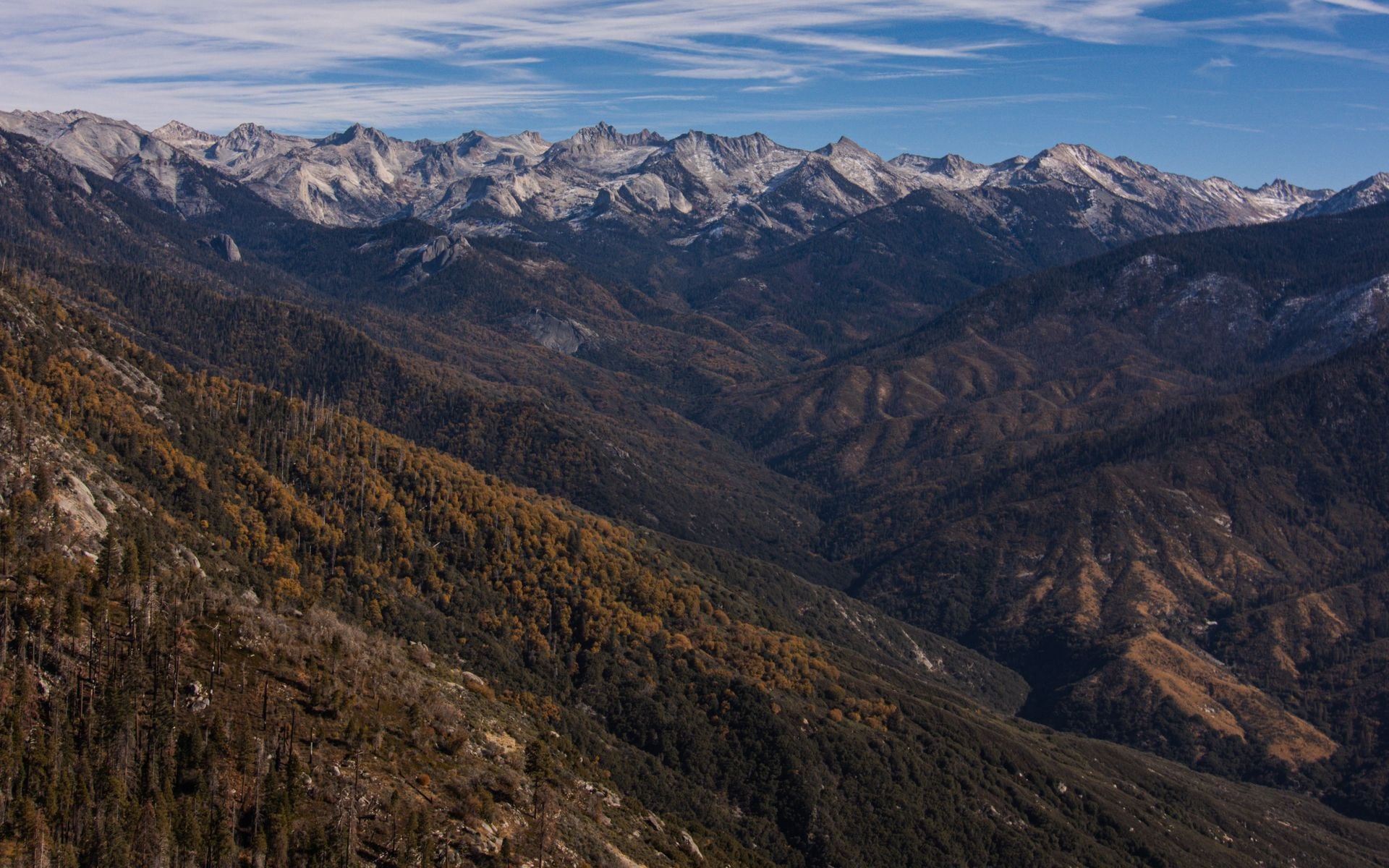
Kings Canyon National Park comes in two parts. Up top, around 6,500 feet, is the Grant Grove area, home to the General Grant Tree and easy trails among giant sequoias. Then the park drops away: the Kings Canyon Scenic Byway (Highway 180) winds down thousands of feet to the canyon floor at Cedar Grove, where granite walls tower on both sides of the river. By some measures the canyon is deeper than the Grand Canyon, and standing at the bottom looking up makes the case.
The park is managed jointly with next-door Sequoia National Park, and the two share a single entrance fee and the Generals Highway that links them. Most people see both together. What sets Kings Canyon apart is how much of it is roadless wilderness. Beyond Cedar Grove and Road's End, the park is trailheads into the backcountry of the High Sierra, including the approach to the Rae Lakes Loop and the John Muir Trail country.
Because the byway to Cedar Grove closes for winter, Kings Canyon has a real season. Grant Grove stays open year-round, but the canyon itself is a spring-through-fall experience. It is one of the least crowded of California's national parks and earns its spot on our list of the best national parks in California.
What to Do
Start in Grant Grove. The General Grant Tree is the second-largest tree on Earth by volume and is designated the Nation's Christmas Tree; a paved third-of-a-mile loop takes you around its base and past the Fallen Monarch, a hollow log you can walk through. A short drive away, the overlook at Panoramic Point gives a wide look across the Sierra crest, and the moderate walk to Big Stump reveals the scale of 19th-century logging that these parks were created to stop.
The drama is down in the canyon. Drive Highway 180 down to Cedar Grove (a slow, curving 30-plus miles, so allow an hour) and stop at Junction View and the Canyon View pullouts on the way. On the floor, the flat Zumwalt Meadow loop (about 1.5 miles) frames the granite walls and the river, and Roaring River Falls is a five-minute walk to a powerful chute. For a bigger day, the trail to Mist Falls from Road's End runs about 8 miles round trip with modest climbing and is the gateway hikers use for the multi-day Rae Lakes Loop.
Kings Canyon is prime backcountry, so if you are backpacking you need a wilderness permit and bear canister. If you are chaining Sierra destinations, the park pairs naturally with a swing north to Lake Tahoe or east across the range in summer to Mammoth Lakes once the high passes open.
Getting There and Parking
The Big Stump entrance on Highway 180, reached from Fresno, is the main way in and the fastest route to Grant Grove. From there Highway 180 continues down into the canyon toward Cedar Grove, while the Generals Highway branches south to connect with Sequoia's Giant Forest. If you are visiting both parks, plan a loop rather than backtracking.
Fresno Yosemite International (FAT) is the closest airport, roughly an hour and 15 minutes to the Big Stump entrance, which makes Kings Canyon the more convenient of the two parks to reach from Fresno. Los Angeles is about four to four and a half hours by road and San Francisco around four and a half. As with every Sierra park, you need a car; there is no public transit in.
Entrance is $35 per vehicle for seven days and covers Sequoia as well. Parking at Grant Grove and the canyon overlooks is straightforward outside peak summer weekends. The key planning fact is the road: the Highway 180 stretch below Grant Grove down to Cedar Grove closes seasonally, generally from around mid-November until late April, so the canyon floor is off-limits in winter.
Best Time to Go
Late spring through early fall is the window for the full park. The Cedar Grove road typically opens by late April and closes by mid-November, and the canyon is at its best from May into June when the Kings River runs high with snowmelt and Roaring River Falls and Mist Falls are thundering. Summer on the canyon floor is warm, in the 80s and low 90s, while Grant Grove up top stays noticeably cooler.
Fall brings quiet trails, cottonwoods turning gold along the river, and comfortable hiking before the road closes for the season. This is a good time to have the canyon almost to yourself. Grant Grove stays open all winter and is lovely under snow for snowshoeing, but you will not reach Cedar Grove, and chains are frequently required on the roads that do stay open.
If your whole reason for coming is the canyon and the river, target May through July. If you mainly want the giant sequoias at Grant Grove, any season works, with winter offering the most solitude among the big trees.
Where to Stay and Eat
In the Grant Grove area, the John Muir Lodge is the comfortable year-round choice, with the rustic Grant Grove Cabins next door for a cheaper, more basic stay. Down on the canyon floor, Cedar Grove Lodge offers a handful of rooms right by the river and is open seasonally while the road is open. All are run by the park concessioner, and summer rooms go fast, so book ahead.
For a full-service resort with more amenities, Wuksachi Lodge over in neighboring Sequoia is a reasonable base for seeing both parks. Outside the parks, the Highway 180 corridor toward Fresno and the Highway 198 town of Three Rivers just outside Sequoia have additional motels, cabins, and vacation rentals, plus the last reliable groceries and fuel.
Dining inside Kings Canyon is limited to the Grant Grove Restaurant and the seasonal Cedar Grove snack bar, so plan to pack food for the trail and for the long, slow canyon drive. Store all food in the provided bear lockers. Kings Canyon sits in the wider High Sierra region, worth reading to round out a multi-park Sierra trip.
Frequently asked questions
Is Kings Canyon worth visiting alongside Sequoia?
Yes. The two parks share an entrance fee and are linked by road, and Kings Canyon adds two things Sequoia does not have: the General Grant Tree and the dramatic drive down Highway 180 into the canyon at Cedar Grove. Budget at least a full extra day if you want to reach the canyon floor.
When does the road to Cedar Grove open?
The Highway 180 stretch from Grant Grove down to Cedar Grove is a seasonal road, generally open from around late April to mid-November and closed by snow in winter. Grant Grove and the General Grant Tree stay accessible year-round, but the canyon floor is a spring-through-fall trip.
How deep is Kings Canyon?
Measured from the top of the surrounding peaks to the river, Kings Canyon is one of the deepest canyons in North America, deeper than the Grand Canyon by some measures. You get the full sense of it by driving Highway 180 down to Cedar Grove and looking up at the granite walls from the floor.
What is the closest airport to Kings Canyon?
Fresno Yosemite International (FAT) is closest, about an hour and 15 minutes to the Big Stump entrance. Los Angeles is roughly four to four and a half hours by road and San Francisco about four and a half. You will need a rental car.
Do I need a permit for the backcountry?
Yes. Overnight backpacking in Kings Canyon, including the popular Rae Lakes Loop from Road's End, requires a wilderness permit and an approved bear canister. Day hikes like Zumwalt Meadow and Mist Falls do not need a permit, only the park entrance fee.