How to Choose Among Nine Parks
The nine split cleanly by geography and season. The Sierra parks (Yosemite, Sequoia, Kings Canyon) are summer-and-fall destinations where the high roads close under snow from roughly November into late spring. The desert parks (Death Valley, Joshua Tree) flip the calendar: they are pleasant October through April and dangerous in the summer heat. The coastal and volcanic parks (Redwood, Channel Islands, Pinnacles, Lassen) each fill a specific niche. Match the park to your season first, then to what you want to see.
Every one of these charges a standard $30 to $35 per-vehicle entrance fee good for seven days, except Channel Islands and Redwood, which are free. If you are hitting three or more parks in a year, the $80 America the Beautiful annual pass pays for itself fast. For the wider trip, our California Travel Guide ties the regions together, and the hotels and resorts directory lists real gateway lodging near the park entrances.
The Sierra Heavyweights
**Park: Yosemite · Best for: first-timers and waterfalls · Peak season: May–June**. Yosemite is the one to see first. Yosemite Valley packs Half Dome, El Capitan, and the Mist Trail up Vernal and Nevada Falls into a compact, walkable floor, and the falls run hardest in May and June before the snowmelt fades. Book lodging or camping months out, and check the current year's peak-season reservation rules before you drive up. The valley is about four hours from San Francisco on Highway 120 or 140, and Glacier Point, open once its road clears in late spring, delivers the classic view down onto Half Dome from 3,200 feet above the floor.
**Park: Sequoia · Best for: the biggest trees on earth · Peak season: June–Sept**. Sequoia protects the General Sherman Tree, the largest living thing by volume anywhere. The giant forest and the Moro Rock climb are a couple of hours south of Yosemite, and the park sees a fraction of Yosemite's crowds. It shares an entrance road and a management with its neighbor to the north.
**Park: Kings Canyon · Best for: raw canyon scenery with few crowds · Peak season: June–Sept**. Kings Canyon runs right next to Sequoia and is the quietest of the big Sierra three. The Kings Canyon Scenic Byway drops you into one of the deepest canyons in the country, and Zumwalt Meadow and Roaring River Falls are easy stops. Go here when you want the Sierra without the Yosemite traffic. All three sit in the High Sierra.
The Desert Parks
**Park: Death Valley · Best for: otherworldly landscapes · Peak season: Nov–March**. Death Valley is the largest national park in the lower 48 and holds the lowest point in North America at Badwater Basin, 282 feet below sea level. Winter and early spring are the only comfortable times; summer highs routinely pass 120 Fahrenheit. Carry water, watch your fuel range, and plan the day around Zabriskie Point at sunrise and the Mesquite Dunes. Furnace Creek inside the park has the only reliable gas for miles and sells it at a premium, so top off in Beatty or Pahrump on the Nevada side, about two hours from Las Vegas, before you drop below sea level.
**Park: Joshua Tree · Best for: rock scrambling and stargazing · Peak season: Oct–April**. Joshua Tree sits where the Mojave and Colorado deserts meet, and the twisting namesake trees plus giant granite boulders make it a rock-climber and photographer favorite. It is an easy park to see in a day or two from Palm Springs, and the dark skies make it one of the best stargazing spots in the state. It is about a 45-minute drive from Palm Springs to the west entrance, and the nine campgrounds run $15 to $25 a night, with Jumbo Rocks the one that fills first.
The Coast, the Volcano, and the Islands
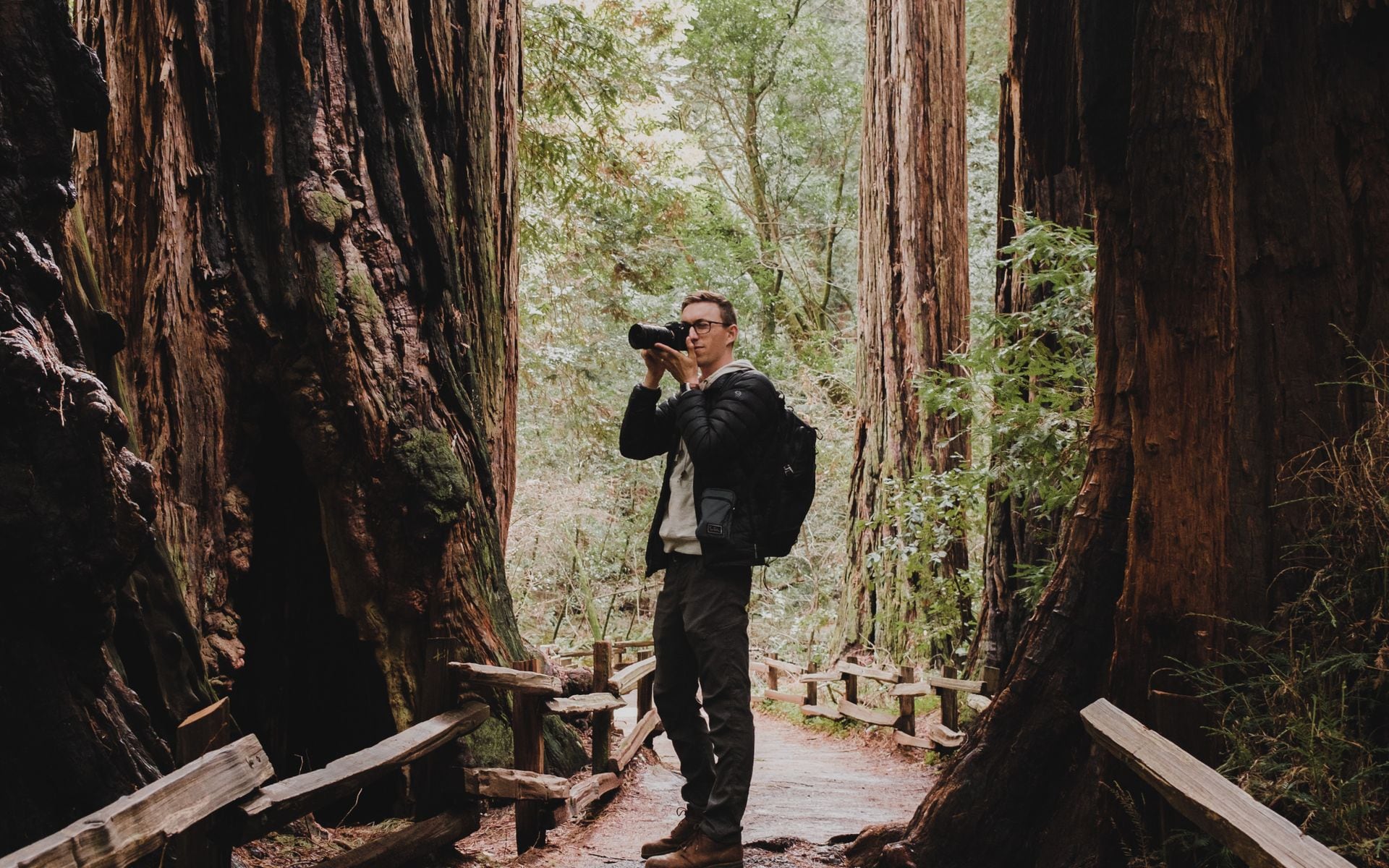
**Park: Redwood · Best for: the tallest trees on earth · Peak season: May–Oct · Fee: free**. Redwood National and State Parks on the far North Coast protect the tallest living trees anywhere, some over 350 feet. Fern Canyon, the Tall Trees Grove, and the Roosevelt elk herds are the highlights, and it is free to enter. Pair it with a stay in the North Coast around Mendocino or Eureka.
**Park: Lassen Volcanic · Best for: geothermal features without the crowds · Peak season: July–Sept**. Lassen in the far north is a smaller Yellowstone: boiling mud pots, fumaroles at Bumpass Hell, and a volcano you can hike to the top of. The main park road usually does not fully open until June or July because of deep snow, so time it for high summer.
**Park: Channel Islands · Best for: kayaking and total quiet · Peak season: spring–fall · Fee: free**. Channel Islands off the Santa Barbara and Ventura coast is the least-visited park in the state because you can only reach it by a boat from Ventura Harbor. Sea caves, kayaking, and island foxes reward the effort, and there is no entrance fee once you cover the boat passage.
**Park: Pinnacles · Best for: caves and condors · Peak season: spring and fall**. Pinnacles, inland from the Central Coast, is California's newest national park, built around the spires of an ancient volcano. Talus caves you can walk through and California condors overhead are the draw, and spring wildflowers make March and April the best window before summer heat sets in.
The One-Line Verdict
If you only have time for one, make it Yosemite, then add Sequoia and Kings Canyon on the same Sierra loop since they share a road. For a winter or spring trip, swing to the deserts and pair Joshua Tree with Death Valley on a Southern California loop. Redwood and the North Coast are the play if you are already up north, and Channel Islands or Pinnacles reward travelers who want quiet over headline sights.
None of these are drive-by parks except maybe Pinnacles. Give the big ones at least a full day each, more if you plan to hike, and book lodging early through the hotels directory. If parks are your whole trip, thread them together with a coastal detour using our best coastal towns guide, and add a low-key overnight from the best small towns list, or base out of a hub like the San Francisco Bay Area for the western entrances.
Frequently asked questions
How many national parks does California have?
Nine: Yosemite, Sequoia, Kings Canyon, Death Valley, Joshua Tree, Redwood, Lassen Volcanic, Channel Islands, and Pinnacles. That is more than any other state. Sequoia and Kings Canyon are managed together and share an entrance road.
Which California national park is best for first-time visitors?
Yosemite. Yosemite Valley concentrates the state's headline scenery, Half Dome, El Capitan, and the big waterfalls, into a compact and walkable area, and it is reachable in about four hours from San Francisco. Visit in May or June for the fullest waterfalls, and reserve lodging or campsites months ahead.
How much does it cost to enter California's national parks?
Most charge $30 to $35 per vehicle for seven days. Redwood and Channel Islands are free to enter. If you plan to visit three or more federal parks in a year, the $80 America the Beautiful annual pass covers entry to all of them and pays for itself quickly.
When should I avoid the desert parks?
Skip Death Valley and Joshua Tree from May through September, when highs regularly exceed 100 to 120 Fahrenheit and hiking becomes genuinely dangerous. Visit October through April instead. The Sierra parks are the reverse: their high roads close under snow in winter and are best in summer and early fall.