What to Expect
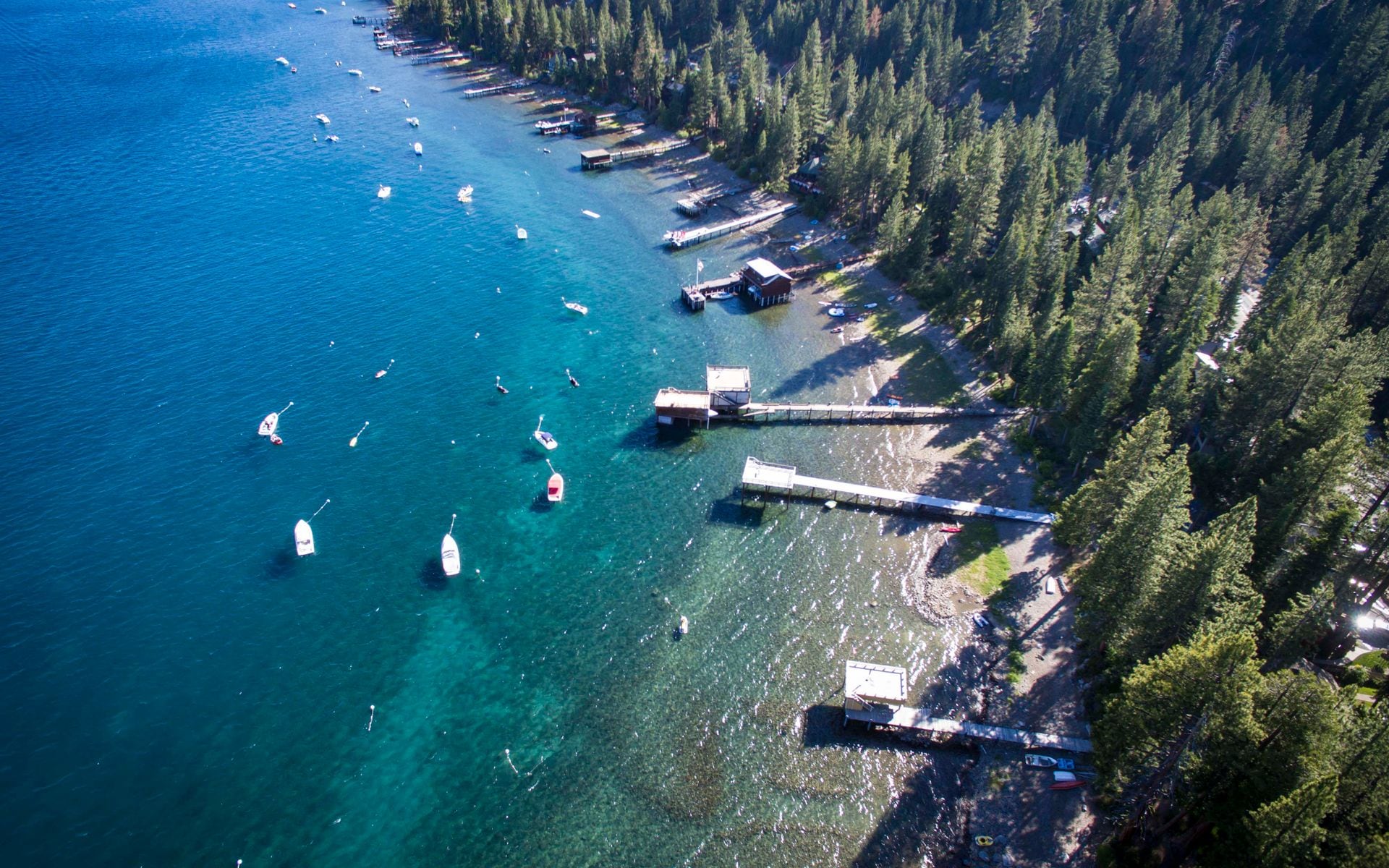
Lake Tahoe is the largest alpine lake in North America and one of the deepest lakes on the continent, 22 miles long and famous for water so clear you can see 60 or 70 feet down in places. It sits high in the Sierra Nevada, so the air is thin and the weather is real mountain weather: heavy snow in winter and warm, dry days with cool nights in summer. The lake straddles two states, which shapes the trip, because the Nevada side at Stateline and Crystal Bay adds casinos and nightlife to the mix.
The shoreline splits into two worlds. South Lake Tahoe is the busy, built-up end, with the biggest concentration of hotels, restaurants, and the casinos just over the line in Nevada, plus easy access to Heavenly ski resort. The North and West shores (Tahoe City, Kings Beach, Incline Village, and the quieter western coves) are more low-key and scenic, closer to Palisades Tahoe and Northstar. Pick your base around which side fits your trip.
Tahoe is the year-round anchor of the High Sierra and California's premier winter destination, sitting a few hours north of the other big mountain resort town, Mammoth Lakes. It headlines any list of the best ski resorts in California and is the natural starting point for a trip built around skiing and snowboarding.
What to Do
In winter, Tahoe is one of the great ski destinations in the country, with more major resorts around a single lake than almost anywhere. Palisades Tahoe on the west side (host of the 1960 Winter Olympics) and Heavenly above South Lake Tahoe are the two giants, joined by Northstar near Truckee, Kirkwood to the south, and Sugar Bowl near Donner Pass. Between them you get everything from steep Olympic terrain to wide beginner runs, plus cross-country trails, snowshoeing, and tubing hills for non-skiers.
In summer, the lake takes over. Emerald Bay State Park on the southwest shore is the signature sight, a granite cove with the lake's only island and the historic Vikingsholm mansion at the bottom of a steep trail; the Eagle Falls trailhead right above it climbs to a waterfall and into the Desolation Wilderness. Sand Harbor on the Nevada side has the clearest, most swimmable water and boulder-lined coves made for kayaking. Rent a paddleboard or kayak, ride the bike path along the West Shore, or drive the full 72-mile loop around the lake, which is a day's outing on its own.
Beyond the water, the mountain towns give you plenty to do. Truckee to the north keeps a historic main street and sits near Donner Lake and the Donner Pass history. Year round, the gondolas at Heavenly and Palisades run for the views, and the casinos at Stateline add dining and shows to the South Shore. Wildlife, clear-water swimming, and long alpine hikes fill out any summer visit.
Getting There and Parking
The closest airport is Reno-Tahoe International (RNO) in Nevada, about an hour to both the North and South shores, and it is the practical choice for most fly-in visitors. Sacramento (SMF) is roughly two hours west, and San Francisco (SFO) is about 3.5 to 4 hours by car. The two main driving routes are Interstate 80 over Donner Pass to the North Shore and US-50 to South Lake Tahoe.
Winter driving is the thing to plan for. Both passes cross high Sierra country, and during storms the California Highway Patrol requires tire chains or all-wheel drive with the right tires, and can close the roads outright during heavy snow. Carry chains, check road conditions before you leave, and never assume a pass is open in a storm.
Parking is tight at the popular spots in peak seasons. Emerald Bay and Sand Harbor lots fill early on summer mornings and cost to park, and the ski resorts charge for parking or push you toward paid reservations and shuttles on busy powder days. Arrive early, use resort shuttles where offered, and build extra time into any winter drive.
Best Time to Go
Tahoe has two clear high seasons. The ski season runs roughly late November or December through April, with the deepest snow and best conditions usually landing from January through March; the big resorts often keep spring skiing going into April or later in a heavy year. This is prime time for the resorts, holiday weeks are the busiest and priciest, and powder days pack the roads.
Summer, from July through early September, is the other peak, when the lake warms enough to swim, the beaches fill, and the high trails clear of snow. Days are warm and dry, nights are cool at this elevation, and the whole shoreline is in full swing. Reserve lodging well ahead for July and August.
The shoulder seasons are quieter and cheaper. Late spring (May and June) can be muddy on the trails with lingering snow up high, but the towns are calm and rates drop. Fall, from September into October, is arguably the best-kept secret: warm days, cool nights, thinning crowds, and clear light on the lake before the first snows return. Whatever the season, pack for cold nights, because 6,000-plus feet stays chilly after dark.
Where to Stay and Eat
South Lake Tahoe has the biggest range of places to stay. Edgewood Tahoe Resort on the Nevada side of the state line is the upscale option, a lakefront resort with its own championship golf course and spa right on the water. Harrah's Lake Tahoe at Stateline puts you in the middle of the casino district steps from Heavenly's gondola, with rooms, dining, and shows under one roof. Beyond these, the South Shore is thick with motels, vacation rentals, and mid-range hotels to fit most budgets.
On the North and West shores, Tahoe City, Kings Beach, Incline Village, and Truckee offer quieter lodging closer to Palisades Tahoe and Northstar, from lakeside inns to condos at the resort bases. If your trip is built around a specific ski hill, base near it to skip the winter drive around the lake.
For food on the South Shore, Base Camp Pizza Co. at Heavenly Village is a reliable, family-friendly spot for wood-fired pizza right at the base of the gondola, busy after a ski day. Across the lake you will find everything from lakeside breakfast joints to Truckee's historic-downtown restaurants. To plan a wider mountain trip, our High Sierra guide ties Tahoe together with Yosemite, Mammoth, and the rest of the Sierra Nevada.
Frequently asked questions
What is the closest airport to Lake Tahoe?
Reno-Tahoe International (RNO) in Nevada is closest, about an hour to both the North and South shores. Sacramento (SMF) is roughly two hours away, and San Francisco (SFO) is about 3.5 to 4 hours by car. Interstate 80 leads to the North Shore and US-50 to South Lake Tahoe.
When is ski season at Lake Tahoe?
The ski season runs roughly late November or December through April, with the deepest, most reliable snow usually from January through March. Big resorts like Palisades Tahoe and Heavenly often extend spring skiing into April or later in a heavy snow year. Holiday weeks are the busiest and most expensive.
Do I need tire chains to drive to Tahoe in winter?
Often, yes. Both main routes cross high Sierra passes, and during storms the California Highway Patrol requires tire chains or all-wheel drive with proper tires, and can close the roads entirely in heavy snow. Carry chains, check road conditions before you leave, and never assume a pass is open during a storm.
Should I stay on the North Shore or South Shore of Tahoe?
South Lake Tahoe is busier and more built-up, with the most hotels, the casinos at Stateline, and easy access to Heavenly. The North and West shores are quieter and more scenic, closer to Palisades Tahoe and Northstar. Choose the side nearest the resort or activities you care most about to avoid driving around the lake.
What is there to do at Tahoe in summer?
Plenty. Swim and kayak at Sand Harbor's clear coves, visit Emerald Bay and hike down to Vikingsholm, climb the Eagle Falls trail into the Desolation Wilderness, ride the West Shore bike path, or drive the full 72-mile loop around the lake. The resort gondolas at Heavenly and Palisades also run in summer for the views.