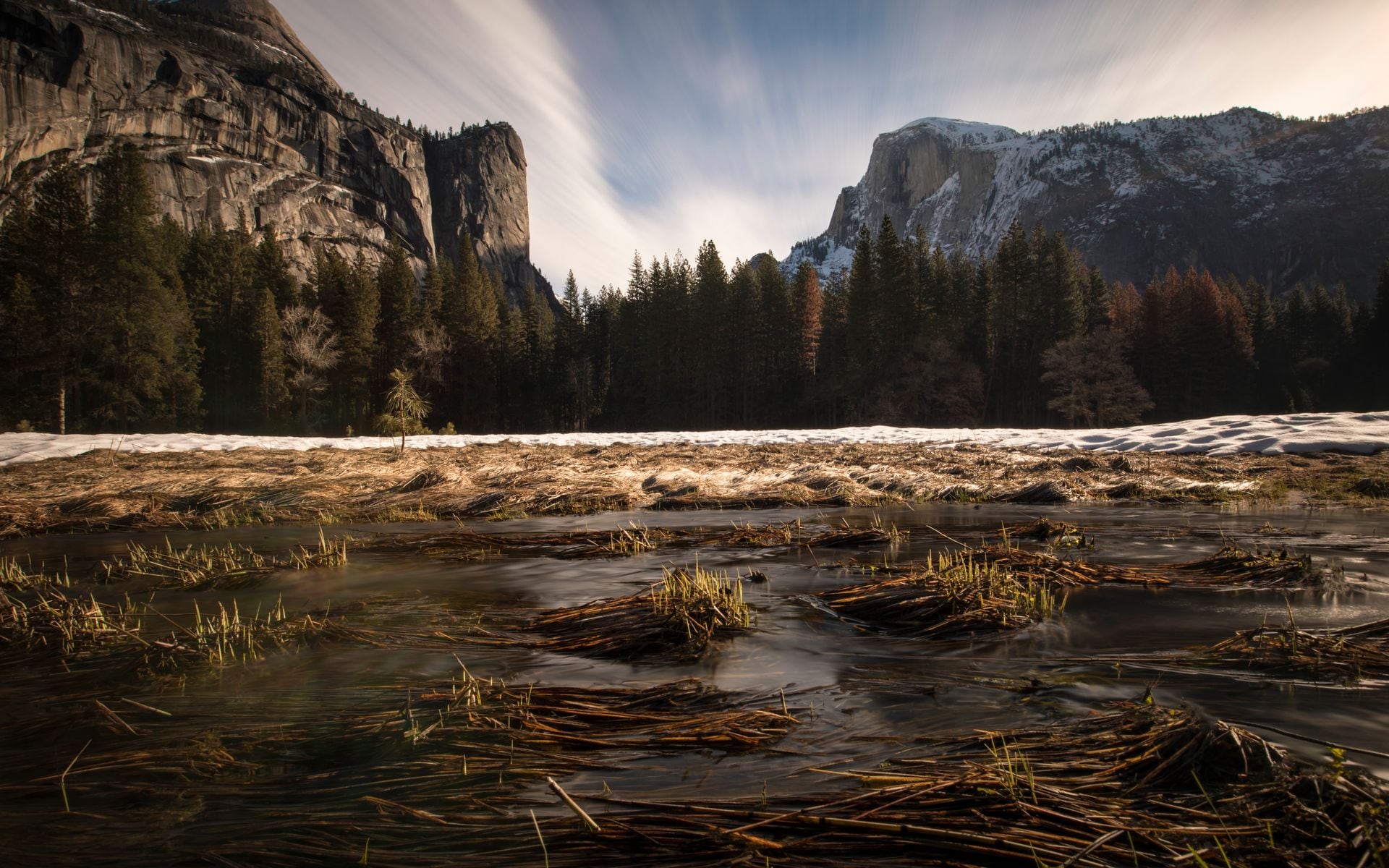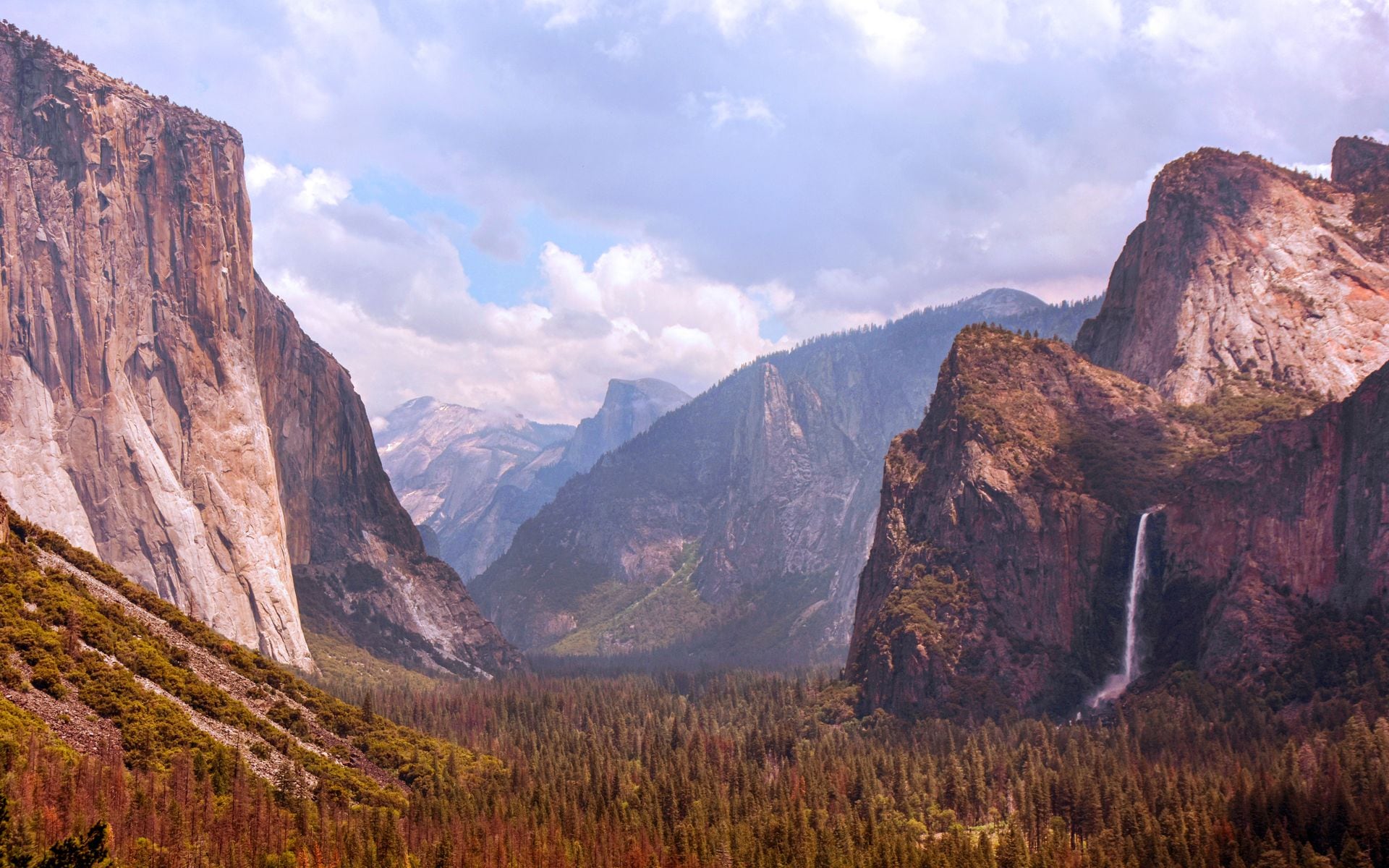
Yosemite is one of the few national parks where the hardest part of the trip is getting through the gate. In recent summers the park has run a peak-hours day-use reservation system to control the crush of cars in Yosemite Valley, and the rules shift a little year to year. If you show up on a busy summer morning without one and without a backup plan, you can get turned around at the entrance station. The good news: the system is predictable once you understand it, and there are several clean ways to skip the reservation entirely. Here is how to lock down your entry, plus the timing that matters on Recreation.gov. Start with our full Yosemite National Park guide for the on-the-ground details, and use the California travel guide to fit Yosemite into a larger route.
When You Need a Reservation
First, an important point: the reservation is not required all year. Yosemite has applied its peak-hours system only during the busy stretch, roughly late spring through the end of summer and on certain fall weekends, and only during daytime hours (in recent years that window ran from early morning until mid-afternoon, around 6 a.m. to 2 or 3 p.m.). Outside those dates and outside those hours, you drive in on the entrance fee alone. Rules change each season, so confirm the current-year dates and hours on the National Park Service Yosemite site (nps.gov) before you plan around them. Do not assume last year’s calendar still holds.
When a reservation is in effect, it is a per-vehicle pass, not per person, and it has covered a multi-day window (a three-day pass in recent seasons) so you are not rebooking every morning. The reservation is separate from the park entrance fee. You pay a small processing charge (about $2) to Recreation.gov to hold the reservation, then the standard $35-per-vehicle entrance fee (good for seven days) when you arrive. An America the Beautiful annual pass ($80, or free for fourth graders, active military, and with lifetime senior passes at $80) covers the entrance fee but does not replace the reservation. For the wider picture of which California parks gate entry this way, our park reservations and permits guide lays out the systems side by side.
How the Recreation.gov Release Works
Every day-use reservation for Yosemite is issued through Recreation.gov, either on the website or the app. Set up your account and payment before release day so you are not fumbling with a password when the clock hits. Reservations have come out in two waves.
The first wave is a large block released weeks or months ahead of the season, typically in the spring, covering the bulk of summer dates at once. These go fast for weekends and holiday stretches. The second wave is a rolling release: a batch of reservations for dates about a week out has been posted seven days in advance at 8 a.m. Pacific time. That rolling drop is your best friend if you missed the big spring release or if your plans firmed up late. Log in a few minutes early, have your dates ready, and refresh right at 8 a.m. Pacific. Because both the exact release dates and the daily cutoff times move year to year, confirm them on recreation.gov and nps.gov the week before rather than trusting a date you read months earlier.
A few tactics that help. Weekday entries are far easier to grab than Saturdays, and the shoulder weeks right before and after the reservation season are the easiest of all. If you strike out on the exact day you want, check back, because cancellations reappear in the inventory as other people change plans. Recreation.gov releases held-but-unpaid carts back into the pool after a booking timer expires, so a slot that shows sold out at 8:01 can reappear a few minutes later, and setting a Recreation.gov account alert on your target date can flag those returns for you. Have a second date and a second entrance in mind before you log in, since flexibility on either one dramatically raises your odds. And because the pass covers several days, you only need to win the lottery once for a multi-day visit, not every morning.
The Ways to Skip the Reservation Entirely
This is the part most people miss. You do not need a day-use reservation if you already hold certain in-park bookings, because those come with entry built in. The exemptions have included:
- A lodging reservation inside the park (The Ahwahnee, Yosemite Valley Lodge, Curry Village, Wawona Hotel, or Housekeeping Camp).
- A campground reservation inside the park.
- A wilderness permit for backpacking.
- A Half Dome cables permit.
- Entry by the YARTS public bus or on a booked commercial tour.
That last set is the real workaround. Book a night at Yosemite Valley Lodge or a Curry Village tent cabin and your car rolls through the gate without a separate reservation. In-park lodging books out months ahead for summer, so treat it like the reservation itself and grab it early. Arriving before or after the daily reservation window also works: get to the entrance station before the window opens in the early morning (which also lands you the best light and parking) or roll in during the evening.
The YARTS bus deserves its own mention because it is the cheapest exemption. YARTS runs scheduled routes into the valley from Merced (Highway 140), Mariposa, Fresno, and, in summer, from the Eastern Sierra over Tioga Pass. A round-trip fare into the valley runs in the low tens of dollars per adult and includes your park entry, so you sidestep both the reservation and the $35 gate fee and let someone else deal with the driving and parking. Buses drop you at Yosemite Valley Lodge and Yosemite Village, right on the free shuttle loop, so you never touch a parking lot. For a car-free or one-day visit it is the simplest answer of all, and it means you can enjoy the valley without watching the clock on a reservation window.
Half Dome and Other Permits You Book Separately
The day-use reservation gets your car into the park. It does not cover Half Dome, which is its own animal. The cables route up the back of Half Dome requires a separate permit, awarded through a preseason lottery on Recreation.gov (application window in the spring, with a small application fee and a per-person charge if you are awarded a spot) plus a smaller daily lottery during the season for people already in the park. If summiting Half Dome is the goal, put the preseason lottery on your calendar; it fills a different need than the entry reservation.
Backcountry travelers need a wilderness permit, also on Recreation.gov, released on a rolling window ahead of the trip date. And popular in-park campgrounds like Upper Pines, North Pines, and Tuolumne Meadows open for booking on a set schedule (Yosemite campgrounds have released on a monthly rolling window at 7 a.m. Pacific) and vanish within minutes for peak dates. If your trip depends on any of these, build your whole plan around their release dates rather than the other way around.
A Day-Of Backup Plan If You Miss Out
Assume for a second that you never got a reservation and cannot get in-park lodging. You still have a good day. Enter before the window opens: pull up to the Arch Rock or Big Oak Flat entrance before 6 a.m. and you are inside with no reservation and the valley nearly to yourself. Or enter after the window closes in mid-afternoon and catch the golden light on El Capitan and Half Dome from Sentinel Bridge without the midday crowd. You can also spend the reservation-free hours in parts of the park that have sometimes fallen outside the valley-focused system, like Wawona, the Mariposa Grove of giant sequoias near the South Entrance, and the Hetch Hetchy area, then swing into the valley in the evening. Keep the exact boundaries honest by checking nps.gov, since the covered area and hours can shift by season.
Timing Your Whole Yosemite Trip
Reservations are easier to think about once you fix your dates. Late May and June bring the waterfalls at full volume, which is the payoff most first-timers want, but it is also peak reservation demand. September and October ease the crowds and often skip the reservation requirement altogether on weekdays, though the falls run thin by then. Tioga Road, the high-country route across the park, usually opens between late May and early July depending on snow and closes for winter, so check its status if the high country is on your list. Two to three days is the right length for a first visit, which our how many days do you need in California guide folds into a broader route.
For the full first-visit playbook (where to stay, the best valley hikes, and how many days you need), read our Yosemite first-timers guide, and lock your travel window with the best time to visit California guide. If you are pairing the mountains with the coast, our best beaches in Southern California roundup makes an easy second half to the trip. Get the reservation sorted early, keep a lodging or early-arrival backup in your pocket, and Yosemite goes from stressful to simple.