Southern California has something like 200 miles of coast between Santa Barbara and the Mexican border, and the beaches are not interchangeable. One is built for beginner surfers, the next for families with toddlers, another for tide pools and sunsets and nothing else. Pick wrong and you spend the day fighting for parking at the famous one when the better beach was a mile up the road. This guide sorts the best Southern California beaches by what you want out of the day, with the real towns, the parking reality, and the water conditions that matter. For the statewide picture, see our best beaches in California roundup, and use the California travel guide to build the beaches into a larger trip.
San Diego: The Widest, Warmest Water
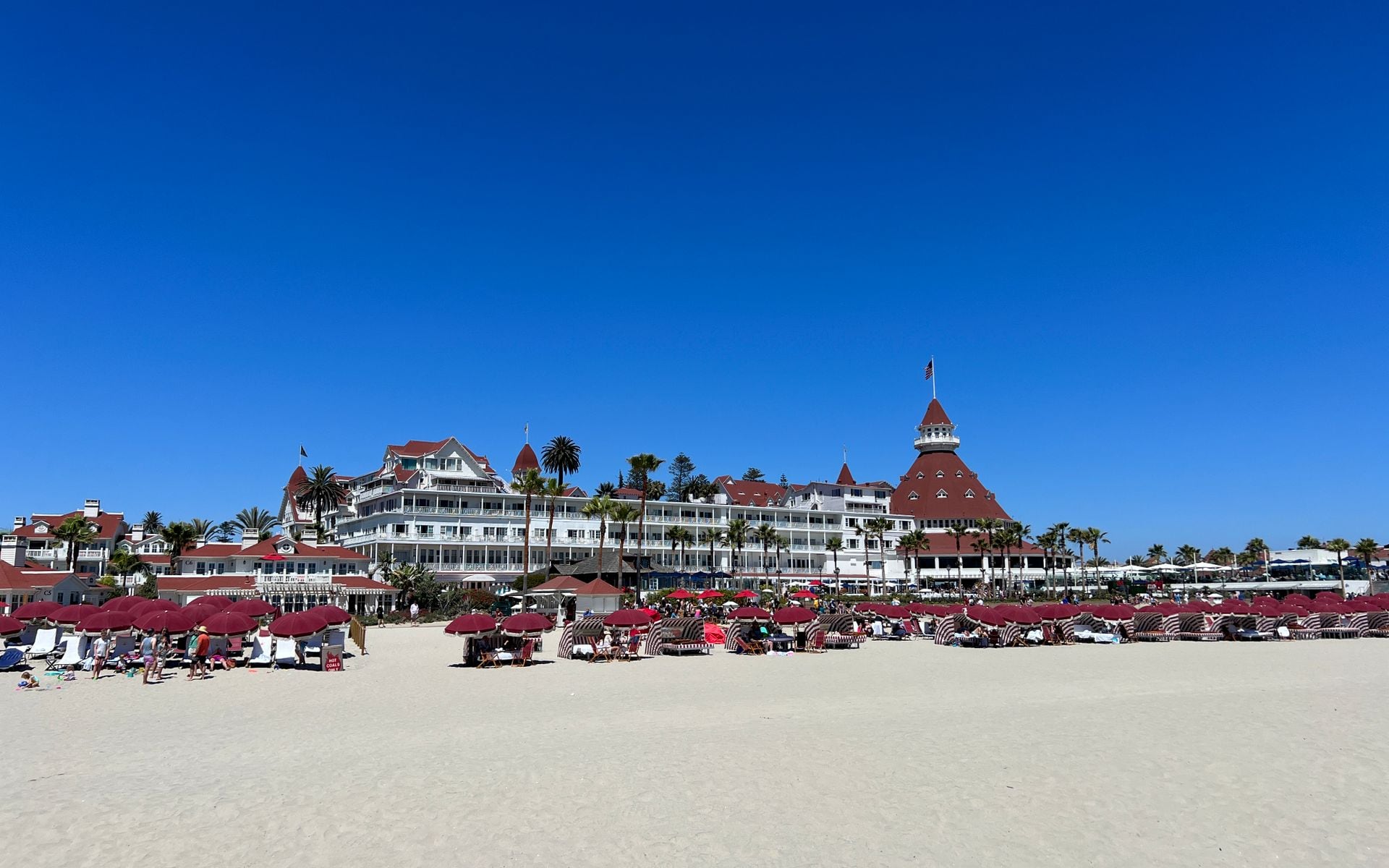
San Diego gets the warmest, calmest water in the region and the most reliable sunshine, which makes it the easiest place to just show up and have a good beach day. Coronado Beach is the standout: a wide belt of pale, sparkly sand in front of the red-turreted Hotel del Coronado, gentle enough for kids and long enough that it never feels packed even in July. Bring quarters for the metered lots or arrive before 10 a.m. Nearby Silver Strand State Beach charges a day-use fee for its big lot but has calm, bay-side swimming that is ideal for small kids.
La Jolla is the other San Diego essential, and it is really several beaches in one. La Jolla Cove is a tiny, protected inlet where sea lions haul out on the rocks and snorkelers slip into the ecological reserve; La Jolla Shores next door is a flat, sandy beach that doubles as the best beginner surf break in the city, home to schools like Surf Diva and the San Diego Surf School. Just south, the Children’s Pool is where harbor seals pup on the sand in winter, roped off from swimmers but perfect for watching. For a proper lesson on forgiving waves, Pacific Surf School runs beginners off Mission Beach, which also has the classic boardwalk and the Belmont Park amusement pier. Windansea, a few blocks down, is a photogenic reef break for experienced surfers only. Sea-lion crowds and sandstone bluffs make La Jolla the most scenic stretch of the San Diego coast.
Orange County: Surf Towns and Coves
Orange County is where Southern California beach culture gets its postcard. Huntington Beach calls itself Surf City, and the long flat beach beside the pier is exactly what a beginner wants: consistent, manageable waves and surf shops on every corner, plus a large paid pier lot so parking is rarely the dealbreaker it is up the coast. Newport Beach adds a harbor, a boardwalk, and the Balboa Peninsula, plus it is the launch point for whale watching with operators like Newport Landing and Davey’s Locker, who run boats to gray whales in winter and blue whales in summer.
Laguna Beach is the prettier, rockier side of the county. Instead of one big beach it is a string of coves tucked below the bluffs, with the best tide pools in the region at low tide and clear water for snorkeling off Divers Cove and Shaw’s Cove. Main Beach sits right in the walkable downtown if you want food and sand together. Between Laguna and Newport, Crystal Cove State Park protects three miles of undeveloped coast with tide pools, a historic beach-cottage district, and far fewer crowds than its famous neighbors (there is a state-park day-use parking fee). If you want one Orange County beach day that has it all, Crystal Cove is the pick. South of Laguna, San Clemente and its state beach give you a mellow, less-touristed surf town with a walkable pier and easy Metrolink train access from LA.
Los Angeles: The Classic Coastline
The LA beaches are the ones everyone pictures, and they earn the reputation despite the crowds and the parking. Santa Monica pairs a long, flat beach with the pier and its Ferris wheel, and the paved Marvin Braude bike path runs south to Venice Beach and its boardwalk scene. This is the easiest coast to reach without a car, sitting at the end of the Metro E Line, and a good place to learn to surf; Kapowui Surf Lessons and Learn to Surf LA both run beginners here on soft, rolling waves. Pier and lot parking runs steep in summer, often $15 or more for the day.
South of the airport, the South Bay trio of Manhattan Beach, Hermosa Beach, and Redondo Beach offers the same wide sand with a mellower, more residential feel and easier parking than Santa Monica. To the north, Malibu is the sunset coast. Zuma Beach is the big, clean, family-friendly stretch with its own paid county lot, while El Matador State Beach is the dramatic one, all sea stacks and sandstone arches below a steep staircase, best at low tide and golden hour. Surfrider Beach by the Malibu Pier is a legendary longboard point break, though it gets crowded and is for surfers with some skill. Malibu parking is tight and mostly paid, so time it early.
Santa Barbara and Ventura: The Quieter North End
The stretch above LA gets skipped by a lot of first-timers, which is exactly why it is worth the drive. Santa Barbara faces south, so its main beaches (East Beach by the pier and Leadbetter Beach near the harbor) are unusually calm and warm for the central coast, and Leadbetter is a friendly spot to learn to surf. The palm-lined waterfront and the working harbor make it feel more like a Mediterranean town than a SoCal beach city. Just up the coast, Refugio and El Capitan State Beaches offer camping right on the sand and some of the cleanest water in the county.
Ventura is the low-key, cheaper base and the jumping-off point for Channel Islands National Park, a boat ride offshore where you can kayak sea caves and spot island foxes. Ventura’s own Surfers Point and San Buenaventura State Beach are honest, uncrowded surf beaches without the LA parking circus. If you are threading whale watching into the trip, the Santa Barbara Channel is one of the most productive spots on the West Coast, and our whale watching in California guide covers the seasons and operators.
Picking the Right Beach for Your Day
Because the beaches specialize, match the beach to the plan rather than driving to whichever one you have heard of. Here is the quick sort.
- First-time surfers: La Jolla Shores (San Diego), Huntington Beach (Orange County), Santa Monica (LA), or Leadbetter Beach (Santa Barbara). Gentle, sandy-bottom breaks with schools on hand.
- Families with young kids: Coronado Beach and Mission Bay in San Diego for the calmest water, or Zuma Beach in Malibu.
- Tide pools and scenery: Laguna Beach coves, Crystal Cove State Park, and El Matador State Beach at low tide.
- Sunsets and photos: El Matador and Point Dume in Malibu, La Jolla Cove in San Diego.
- A full day with amenities: Santa Monica or Coronado, both with piers, food, restrooms, and rentals close by.
If a beach resort is the goal, the Hotel del Coronado in San Diego and Terranea Resort on the Palos Verdes cliffs both sit right on the water and make the beach the whole trip, and the Ritz-Carlton Laguna Niguel in Dana Point puts you on the bluff above one of the county’s best strands. For a lesson before you go, our surfing in California guide lists the beginner-friendly schools by town. Traveling with kids? Our California with kids guide has more on which of these beaches handle strollers, shade, and snack runs best.
When to Go, and Watching the Water
Southern California beach weather is not really a summer story. Early summer brings June Gloom, a marine layer that keeps the coast gray and cool through the mornings well into July, burning off by afternoon. The warmest water and clearest skies come August through October, which is the quiet secret of the SoCal coast: September is often the best beach month of the year, with water in the upper 60s to low 70s in San Diego, thinner crowds once school is back, and steady sun. Winter is calm and clear but the water drops into the 50s, so it becomes a walking-and-whale-watching season more than a swimming one.
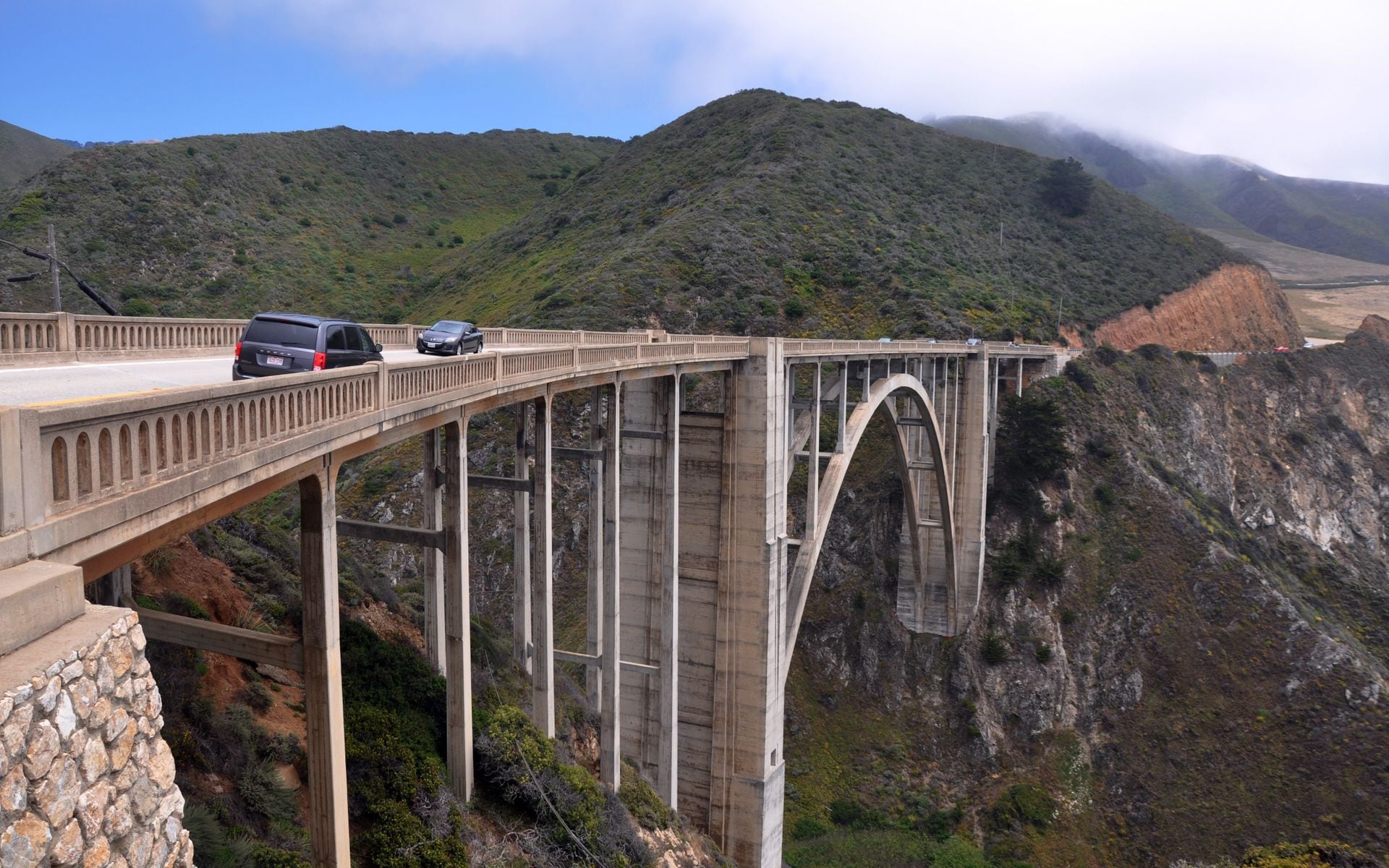
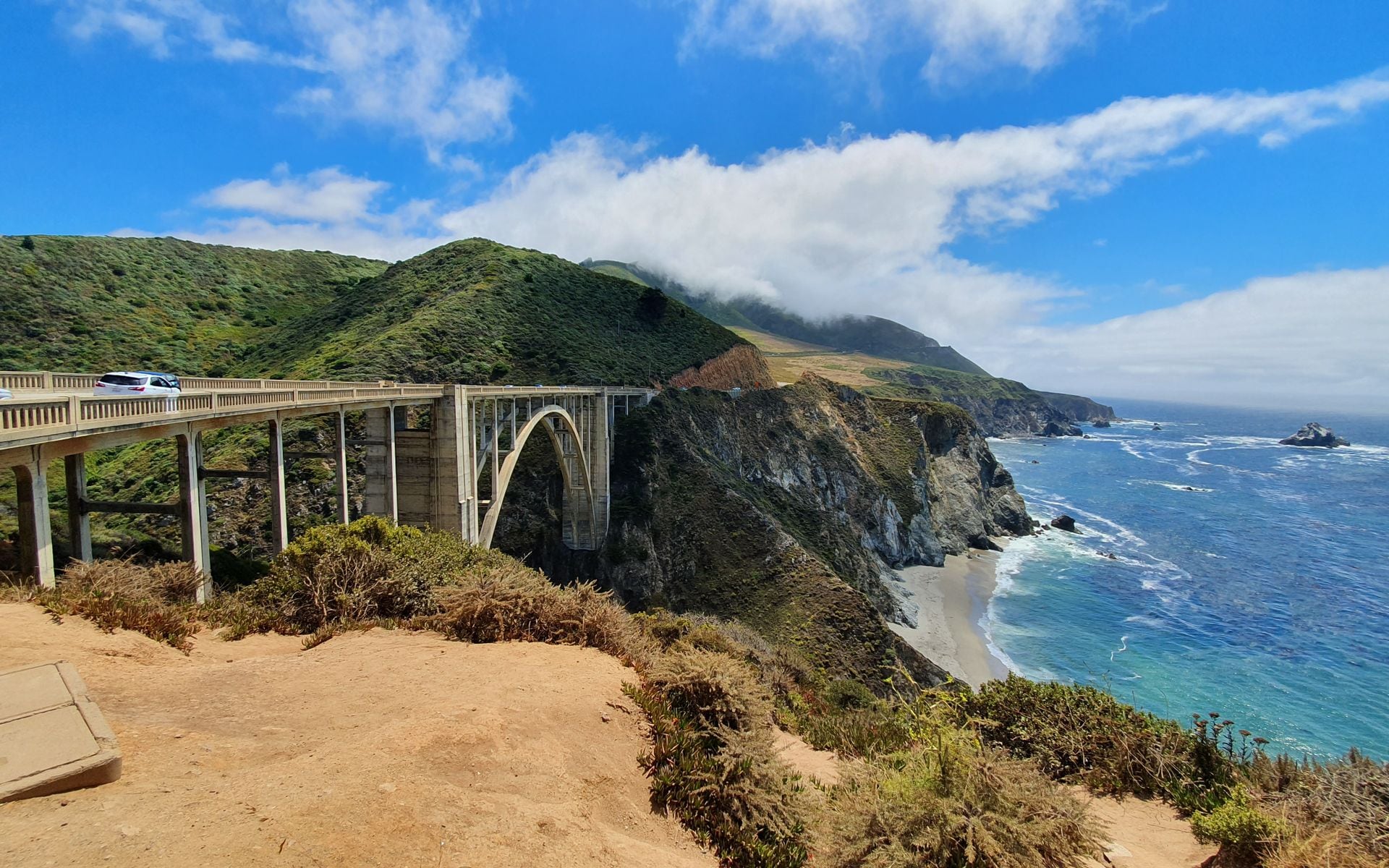
Wherever you swim, respect the water. Rip currents are the real hazard on this coast; swim near a lifeguard tower, and if a current pulls you out, swim parallel to shore rather than fighting straight back in. Check the flags posted at the guard stands before you go in, and watch for stingrays in the shallows at places like Seal Beach and Huntington in warm months (the lifeguard trick is to shuffle your feet in the sand so they scatter before you step on one). Most of the big beaches here are guarded from spring through early fall, and county apps post daily surf, water temp, and rip-current forecasts if you want to check before you drive. Lock in your travel window with the best time to visit California guide, and if you are pairing the beaches with a road trip up the coast, our Big Sur travel guide picks up where Southern California leaves off. Pick the beach that fits the day, get there before the parking fills, and the Southern California coast is as easy as travel gets.