What to Expect
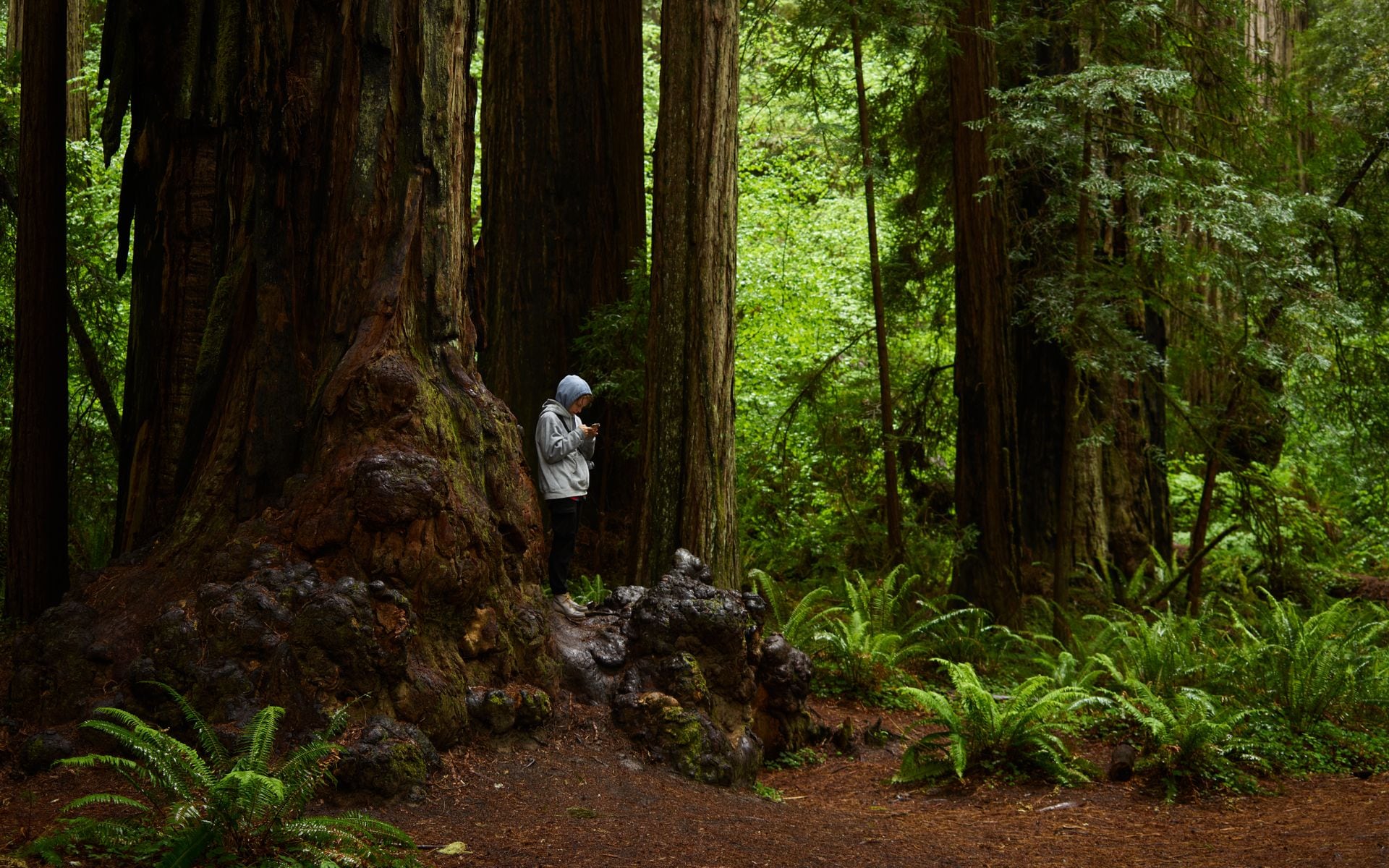
Redwood National and State Parks is a partnership between the National Park Service and California State Parks, stitching Redwood National Park together with three state parks: Jedediah Smith Redwoods in the north near Crescent City, Del Norte Coast Redwoods, and Prairie Creek Redwoods farther south near Orick. Together they protect about 139,000 acres and close to half of the world's remaining old-growth coast redwoods. The trees here routinely pass 300 feet, and the tallest known living tree, Hyperion, stands somewhere in this forest at over 380 feet (its exact location is kept secret and off-limits).
The setting is cool, wet, and often wrapped in fog, which is exactly what the redwoods need. Summers are mild and gray as much as sunny, winters are rainy, and the coast stays chilly year round. Alongside the big trees you get a genuinely wild coastline, herds of Roosevelt elk grazing in the meadows, and rivers running clear to the ocean. Distances are long up here, so plan your days around the clusters of groves rather than trying to see everything in one push.
Redwood anchors California's North Coast, the remote, forested top end of the state that also holds the village of Mendocino a few hours south. It ranks among the best national parks in California and is a headline stop on any tour of the state's national parks.
What to Do
Start with the groves that let you walk straight into old growth. Lady Bird Johnson Grove near Orick is an easy 1.5-mile loop on a ridgetop that is often above the fog. Stout Grove in Jedediah Smith Redwoods, reached from Crescent City, packs some of the densest, most photographed big trees into a short, flat half-mile loop beside the Smith River. Prairie Creek's forest holds the longer, quieter hikes: the James Irvine Trail and the Boy Scout Tree Trail both run miles through untouched redwood.
Fern Canyon in Prairie Creek is the other signature stop, a narrow gorge with 50-foot walls draped in ferns that you reach by wading a shallow creek. In summer the access road and a day-use permit are required through Recreation.gov, so check before you drive out. For wildlife, the Elk Meadow and the fields along the Newton B. Drury Scenic Parkway are reliable places to see Roosevelt elk, especially at dawn and dusk. Drive the Drury Parkway itself as an alternative to Highway 101 through Prairie Creek; it is slower and far more scenic.
To stand under the true giants, the Tall Trees Grove requires a free permit and a gate combination from the park, which caps daily visitors and keeps the grove quiet. It is a steep hike down and back, several hours round trip. The coast is worth your time too: Gold Bluffs Beach sits right below the redwoods, and the roadside attraction Trees of Mystery near Klamath, with its gondola through the canopy, is a real and long-running stop if you are traveling with kids.
Getting There and Parking
This is one of the more remote parks in California, and getting here is the main planning hurdle. The closest airport is California Redwood Coast-Humboldt County (ACV) in McKinleyville, about 45 minutes south of the Orick entrance, with limited flights. Del Norte County Regional (CEC) in Crescent City is even smaller. Most visitors drive: from San Francisco it is roughly 5.5 to 6 hours and about 330 miles up Highway 101, and from Portland, Oregon it is a similar 6 hours south.
There is no single entrance gate and, unusually, no entrance fee for the national park sections. The three state parks charge a day-use fee of about $8 per vehicle at staffed lots like Jedediah Smith and Prairie Creek, though many trailheads along Highway 101 and the Drury Parkway are free to pull into. Start at a visitor center, the Thomas H. Kuchel center near Orick or the Crescent City center, to grab a map and check road and permit status.
Fuel and cell service are both spotty once you are among the trees, so fill the tank in Crescent City, Klamath, or Orick and download maps offline. The forest roads are narrow and winding, and coastal fog can cut visibility, so leave extra time and drive with your headlights on.
Best Time to Go
Late spring through early fall, roughly May through October, is the most reliable window. Summer brings the driest weather and the fullest services, though mornings are often foggy along the coast, which is normal and part of the redwood ecosystem. The Fern Canyon access road and its permit system run in this season, so summer is also when that hike is easiest to reach.
Fall, from September into October, is a favorite: the summer fog thins, the crowds drop off after Labor Day, and the weather can be crisp and clear. Roosevelt elk are active during the fall rut, which makes the meadows especially good for wildlife watching, though you should keep well back from the bulls.
Winter, November through March, is the wet season, with heavy rain that keeps the forest green and the waterfalls running but can wash out trails and cause the occasional road closure on Highway 101. The trees are just as tall in the rain, and the parks are quiet, so if you do not mind getting damp it can be a fine time to have a grove to yourself. Bring waterproof layers no matter the month, because it stays cool and misty even in July.
Where to Stay and Eat
There are no large hotels inside the parks, so most visitors base in the surrounding towns. Crescent City to the north and Klamath in the middle put you closest to Jedediah Smith and the Del Norte coast, while Orick and the larger town of Arcata sit at the southern end near Prairie Creek. For a resort-style stay with dining under one roof, the Eureka Casino Resort in Eureka is a solid option about 45 minutes south of Orick, well placed if you are pairing the redwoods with the wider Humboldt coast.
Camping is the classic way to sleep among the trees. Jedediah Smith, Mill Creek in Del Norte Coast, and Elk Prairie in Prairie Creek are the developed campgrounds, and Gold Bluffs Beach lets you camp right behind the dunes below the forest. All book out for summer weekends through ReserveCalifornia, so reserve well ahead.
Dining is small-town and casual up here. Crescent City and Arcata have the most choices, from brewpubs to seafood counters working the local catch, and you will find a general store and simple food near most park hubs rather than fine dining. Stock a cooler before you head into the groves, since services thin out fast between towns. If you are building a longer North Coast trip, read our North Coast region guide to link the redwoods with the drive south to Mendocino.
Frequently asked questions
Is there an entrance fee for Redwood National and State Parks?
The national park sections are free to enter. The three state parks (Jedediah Smith, Del Norte Coast, and Prairie Creek) charge a day-use fee of about $8 per vehicle at their staffed lots, but many trailheads along Highway 101 and the Newton B. Drury Scenic Parkway have free parking.
What is the closest airport to the redwoods?
California Redwood Coast-Humboldt County (ACV) in McKinleyville is closest, about 45 minutes south of the Orick entrance, though it has limited service. Most visitors drive from San Francisco, roughly 5.5 to 6 hours up Highway 101, or from Portland, Oregon, about 6 hours south.
Do I need a permit to hike in the redwoods?
For most trails, no. Two exceptions matter: the Tall Trees Grove requires a free permit and gate code from the park, which limits daily visitors, and Fern Canyon in Prairie Creek requires a day-use permit through Recreation.gov during the summer season. Check the park website before you drive out to either.
When is the best time to see the redwoods?
May through October is the most reliable window, with fall (September and October) being a sweet spot of thinner fog and smaller crowds. Summer mornings are often foggy along the coast, which is normal. Winter is wet but green and very quiet, so pack waterproof layers whenever you go.
How many days do you need at Redwood National and State Parks?
Two full days let you cover the main groves at both ends: Jedediah Smith and Stout Grove in the north, and Prairie Creek, Fern Canyon, and the elk meadows in the south, with time on the coast. One long day is enough to see a couple of accessible groves if you are passing through on Highway 101.