What to Expect
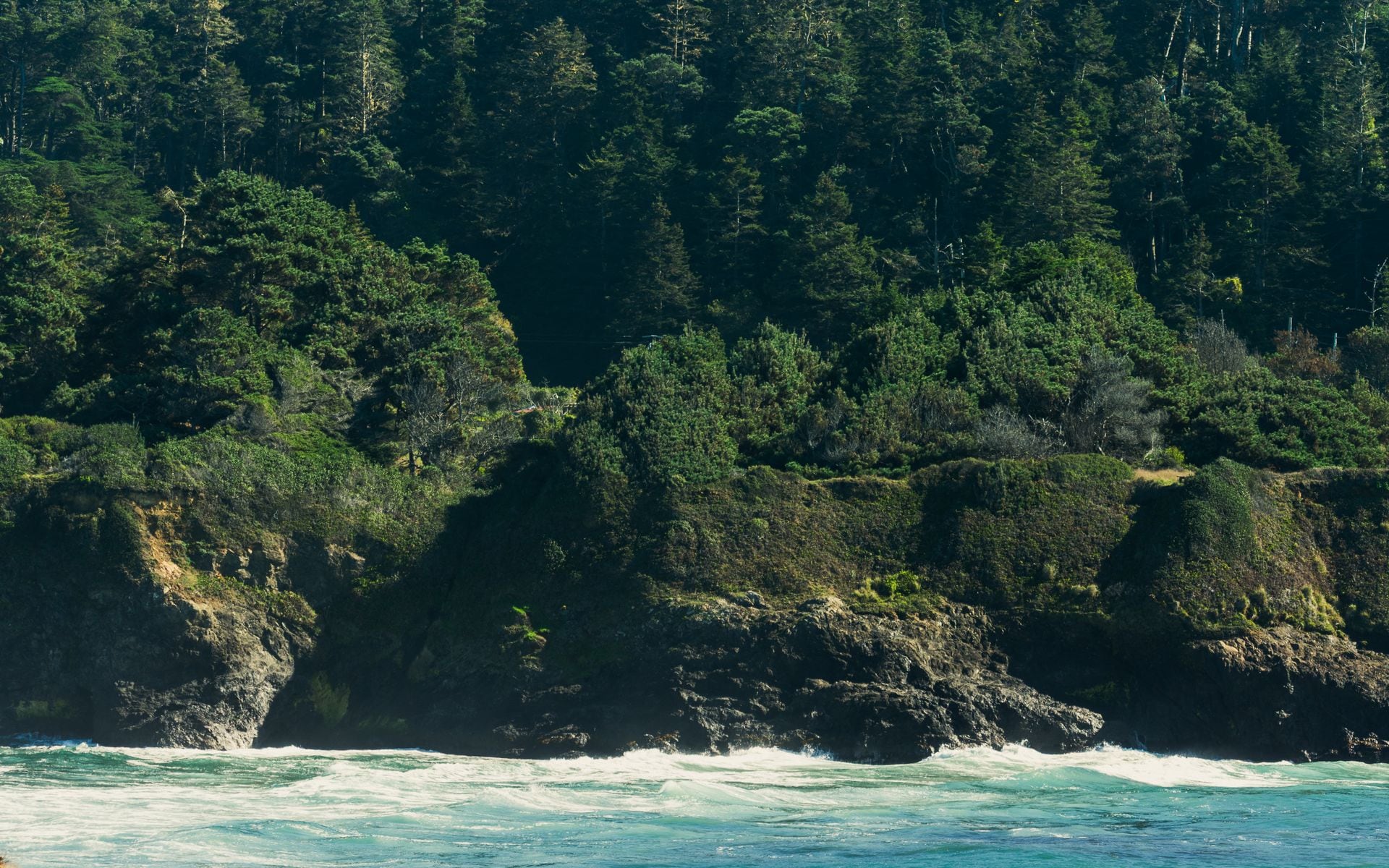
Mendocino sits on a bluff on California's North Coast, roughly 155 miles north of San Francisco on Highway 1. It grew up as a redwood logging town in the 1800s, and the New England-style architecture the loggers built, all white clapboard and water towers, is still the whole look of the place. The town is tiny, a few walkable blocks of inns, cafes, galleries, and shops surrounded on three sides by Mendocino Headlands State Park, where trails run right along the sea cliffs and their blowholes.
This is the cooler, foggier, quieter end of the California coast. Summer mornings often start gray and burn off by afternoon, and the water is far too cold for swimming. What you come for is the coastline itself: dramatic bluffs, sea stacks, hidden coves, and some of the best tide pooling and whale watching in the state. Fort Bragg, about 10 miles north, is the larger working town where you will find more services, the famous Glass Beach, and the Skunk Train.
Mendocino runs boutique. Lodging skews toward historic inns and bed-and-breakfasts rather than chain hotels, and prices climb on summer weekends and during the whale-watching and mushroom seasons. It pairs well with the redwoods farther north and the Anderson Valley wineries on the drive in. For where it ranks against the state's other coastal escapes, see our list of the best coastal towns in California.
What to Do
Start on foot in Mendocino Headlands State Park, which wraps the town in bluff-top trails with views of arches, sea caves, and the mouth of Big River. It is free, open all day, and the easiest way to feel why people fall for this coast. At the north edge of town, Russian Gulch and Van Damme state parks add a waterfall hike and a fern-lined canyon, and Van Damme's beach is a launch point for sea-cave kayaking on calm days.
The Point Cabrillo Light Station, between Mendocino and Fort Bragg, is a preserved 1909 lighthouse you can walk out to across a coastal prairie, with a small museum and a whale-watching vantage in winter and spring. The Mendocino Coast Botanical Gardens, just south of Fort Bragg, run 47 acres of gardens down to the ocean bluff, one of the few gardens in the country that meets the sea. North of Fort Bragg, MacKerricher State Park protects miles of shoreline, a headland where harbor seals haul out, and a coastal trail on an old logging railroad grade.
For a ride into the redwoods without leaving your seat, the Skunk Train runs restored rail excursions out of Fort Bragg up the Noyo River canyon through old-growth forest, a route that has carried passengers since the 1920s. In winter and early spring, gray whales pass close to shore on their migration, and the headlands and Point Cabrillo are free places to watch them. If you are continuing north, tie the trip to the Redwood National and State Parks, another two to three hours up the coast.
Getting There
The scenic and most common route from San Francisco is US-101 north to Cloverdale, then Highway 128 west through the Anderson Valley, and finally Highway 1 up the coast. It is about 155 miles and 3 to 3.5 hours, and the Anderson Valley stretch runs past Pinot Noir wineries and a tunnel of redwoods before it reaches the sea. It is a genuinely good drive, not just a transfer, so give it time.
You can also take Highway 1 the whole way up the coast from the Bay Area, which is slower, more winding, and more scenic still, easily a 4.5-to-5-hour day with stops. Do this only if the coast drive itself is the goal, because the last stretches are narrow and twisty. Coming from the north or the Sacramento area, US-101 to Highway 20 west into Fort Bragg is the standard approach.
There is no commercial airport near Mendocino. Most visitors fly into San Francisco (SFO) or Oakland (OAK) and drive up, or into the Sonoma County Airport (STS) in Santa Rosa to shave about an hour off the drive. A car is essential here: nothing about this coast is reachable by transit, and the towns are spread out along the highway.
Best Time to Go
Fall, from September into November, is the best all-around window. The summer fog thins, the days stay mild and often clear, and the crowds ease after Labor Day. Late fall also brings the wild mushroom season the coast is known for, when inns and restaurants build menus and events around foraging.
Winter and early spring, December through April, are prime for storm-watching and gray-whale migration, when the whales pass close to the headlands. It is the wet season, so pack for rain, but the coast is dramatic and lodging is at its cheapest outside the holidays. Spring brings wildflowers to the bluffs and green to the hills.
Summer, June through August, is the busy and expensive season, and ironically often the foggiest, with gray mornings that can hold most of the day. It is still a fine time to visit if you book ahead, just do not expect beach weather. Whenever you come, bring layers: this coast runs cool and damp year-round, and afternoons can turn windy fast.
Where to Stay and Eat
Mendocino's lodging is defined by historic inns rather than resorts. The MacCallum House Inn, an 1882 Victorian in the middle of town, is a longtime favorite with a well-regarded restaurant, and the Mendocino Hotel on Main Street has been taking guests since the 1870s with ocean views over the headlands. A few miles south, the Little River Inn is a family-run coastal property with a golf course, spa, and one of the area's better ocean-view dining rooms.
For food, Cafe Beaujolais is the town's benchmark, a farm-to-table restaurant in a converted Victorian with a long reputation up and down this coast. Simpler spots like Trillium Cafe and the GoodLife Cafe and Bakery cover breakfast, lunch, and a good coffee. In Fort Bragg you will find more casual options and fresh seafood near the harbor at Noyo.
Book lodging early for fall weekends, whale season, and mushroom season, when the small inn inventory fills fast and rates rise. Reservations for dinner at the marquee restaurants are smart on weekends. Because the town is so compact, staying in Mendocino proper lets you leave the car parked and walk to dinner, which is part of the appeal.
Good to Know
This is a cool-weather coast, not a beach town. The water is cold and the currents are strong, so treat the ocean with respect, watch for sneaker waves on the rocks, and never turn your back on the surf while tide pooling. Fog can roll in and drop visibility fast on Highway 1, so drive the coast road slowly and use pullouts to let faster traffic by.
Services are limited and spread out. Fill up on gas in the larger towns, carry cash for a few small businesses, and expect patchy cell coverage between towns. The pace here is slow by design, with early-closing shops and quiet nights, which is exactly what draws people who want the opposite of Los Angeles.
Mendocino works as a standalone long weekend from the Bay Area or as the coastal leg of a bigger North Coast loop that continues up to the redwoods. For how the whole region fits together and the real drive times between stops, start with our North Coast region guide.
Frequently asked questions
How far is Mendocino from San Francisco?
About 155 miles and 3 to 3.5 hours by the usual route, US-101 north to Highway 128 through the Anderson Valley and up Highway 1. Taking Highway 1 the whole way is slower and more scenic, closer to 4.5 to 5 hours with stops.
What is the best time of year to visit Mendocino?
Fall, from September into November, brings the clearest weather and thinner crowds. Winter and early spring are best for gray-whale watching and storm-watching, while summer is the busiest and, ironically, often the foggiest season on this stretch of coast.
Is there an airport near Mendocino?
No commercial airport is close. Most visitors fly into San Francisco (SFO) or Oakland (OAK) and drive up, or into Sonoma County Airport (STS) in Santa Rosa to cut about an hour off the drive. A rental car is essential once you arrive.
Can you swim at the beaches in Mendocino?
Not comfortably. The water is cold year-round and the surf and currents are dangerous along much of this coast. Mendocino is for tide pooling, bluff walks, kayaking on calm days, and whale watching rather than swimming.
What is there to do in Mendocino besides the town itself?
Walk the Mendocino Headlands, hike Russian Gulch and Van Damme state parks, tour the Point Cabrillo Light Station, visit the Mendocino Coast Botanical Gardens, ride the Skunk Train out of Fort Bragg, and watch for whales from the bluffs in winter and spring.