What to Expect
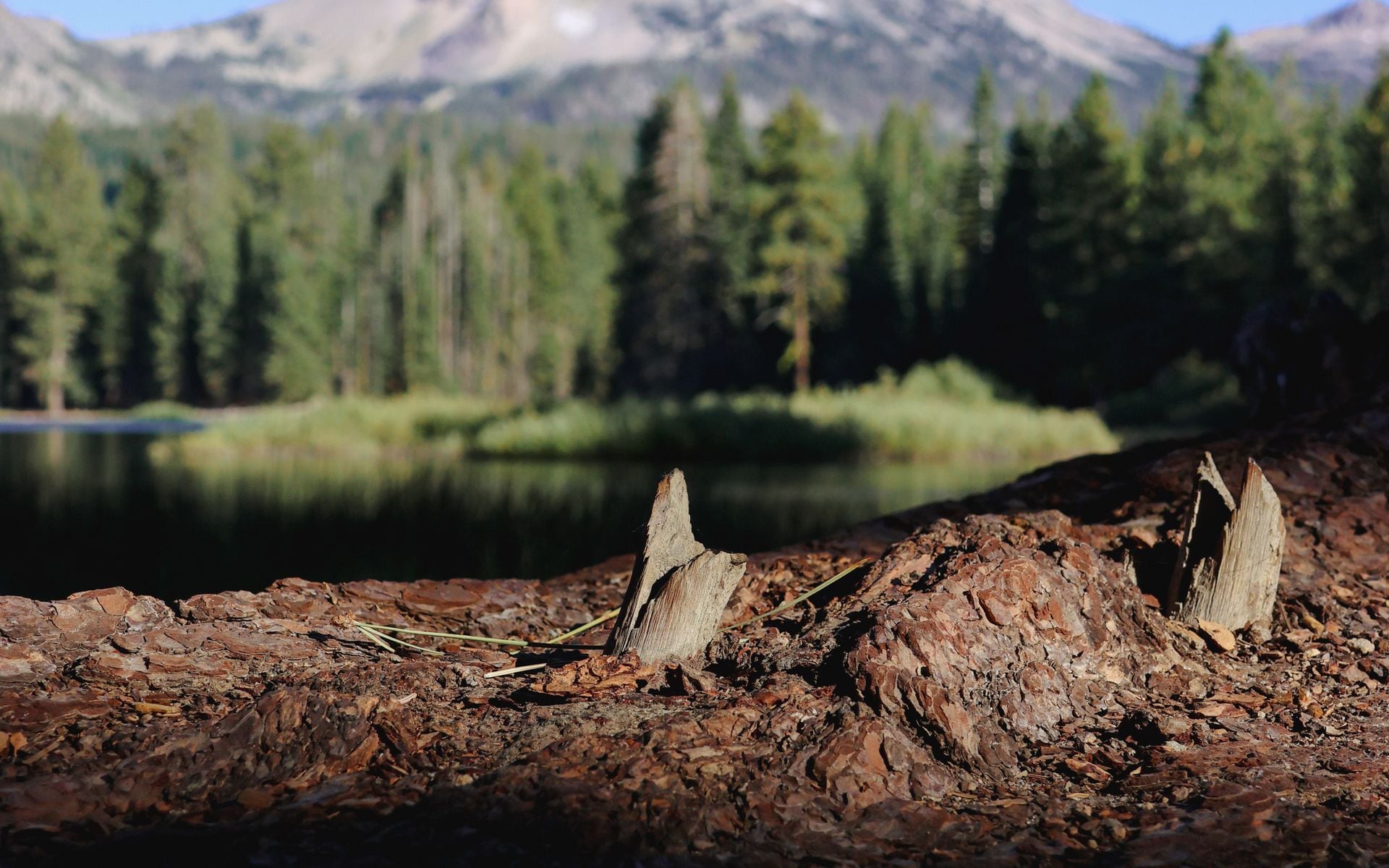
Lassen is one of the few places on Earth where you can see all four types of volcano (shield, composite, cinder cone, and plug dome) in one park. The centerpiece is Lassen Peak, a 10,457-foot plug dome that erupted in a series of blasts from 1914 to 1917, the last major volcanic eruption in the Lower 48 before Mount St. Helens. The whole park sits on a live hydrothermal system, so you get the same boiling springs, mud pots, and sulfur-smelling steam vents you would expect at Yellowstone, minus the crowds.
This is high country, mostly between 6,000 and 8,500 feet, so the season is short and the weather turns fast. The main park road climbs over 8,500 feet and stays buried in snow well into summer, which shapes any trip you plan here. When it is open, you get wildflower meadows, clear lakes, and pine forest alongside the raw volcanic ground.
Lassen anchors the Shasta Cascade, California's volcanic far north, where it shares the horizon with the far larger Mount Shasta to the northwest. It earns a spot among the best national parks in California and belongs on any list of the state's national parks worth the drive.
What to Do
The signature hike is Bumpass Hell, the park's largest hydrothermal area, reached by a 3-mile round-trip trail that ends on a boardwalk winding past boiling pools and roaring steam vents. Stay on the boardwalk, because the crust here is thin and the water is scalding. For a shorter taste of the same geology, the Sulphur Works sits right beside the main road near the southwest entrance, with bubbling mud you can see from a pullout.
If you want the summit, the Lassen Peak Trail is a 5-mile round trip that climbs about 2,000 feet of switchbacks to the crater rim, with long views over the whole volcanic landscape from the top. It is strenuous and exposed, so start early and carry water. Kings Creek Falls is a good middle-distance hike, roughly 3 miles round trip to a 30-foot cascade, and Manzanita Lake near the northwest entrance offers an easy, flat loop with a clean reflection of Lassen Peak on still mornings.
In the park's remote northeast, the Cinder Cone is a steep, ashy climb up a near-perfect volcanic cone above the Painted Dunes, reached from the Butte Lake area on a separate road. It is a longer detour but one of the more otherworldly walks in California. Boating, kayaking, and swimming are all popular on Manzanita Lake in summer.
Getting There and Parking
Lassen has two main entrances at opposite ends of the park road (Highway 89): the northwest entrance near Manzanita Lake, closest to Redding, and the southwest entrance near the town of Mineral. The nearest airport is Redding (RDD), about 50 minutes to the northwest entrance, though most visitors fly into Sacramento (SMF) or San Francisco (SFO) and drive. From Sacramento it is about 3 hours, and from San Francisco roughly 4 hours.
The entrance fee is $30 per vehicle in summer, valid for seven days. Lassen does not use a timed-entry reservation system, so you can arrive any time, but parking at the popular trailheads like Bumpass Hell and Lassen Peak fills up on summer weekends by mid-morning, so come early. The two visitor centers, the Kohm Yah-mah-nee center at the southwest entrance and the facilities at Manzanita Lake, are the places to check trail and road status.
The single most important thing to confirm before you go is whether the main park road is open. The 30-mile road across the park is buried in deep snow for much of the year and typically does not fully open until late June or July, sometimes later after a heavy winter, then closes again with the first big storms in fall. When it is closed, you can still reach the lower areas near each entrance, but you cannot drive through.
Best Time to Go
The prime season is short: roughly July through September, once the main road is fully plowed and open. This is when all the trailheads are reachable, the wildflowers peak in the meadows, and the lakes are warm enough to swim. Even in midsummer, the high elevation keeps nights cool, so pack a warm layer.
Late June and early October are shoulder times that depend entirely on the snowpack. In a light snow year the road may open by mid-June; in a heavy year, sections stay closed into July. Fall brings crisp air and thin crowds before the first storms shut the road again, usually sometime in October or November.
Winter transforms Lassen into a snow park. The road across the park closes, but the areas near both entrances stay open for snowshoeing and cross-country skiing, and the Kohm Yah-mah-nee Visitor Center at the southwest entrance operates through winter. If you are coming for the classic hikes and the volcanic sights, though, plan firmly for summer and check the road status on the park website before you commit to dates.
Where to Stay and Eat
Lodging inside the park is limited but memorable. The Manzanita Lake Camping Cabins near the northwest entrance offer simple, no-frills cabins right by the lake, with a camp store nearby. In the park's remote southeast, reached from outside via the Warner Valley, the historic Drakesbad Guest Ranch is a rustic 1900s-era retreat with a hot-spring-fed pool and full-board meals, one of the more distinctive stays in any California park. Both book out far ahead for their short seasons.
Outside the park, the small towns of Mineral and Mill Creek near the southwest entrance and Chester near Lake Almanor to the south have inns and cabins, and Highlands Ranch Resort in Mill Creek is a well-regarded option a short drive from the southwest gate. For a full range of hotels and restaurants, Redding to the west is the nearest sizable city, about 50 minutes from the northwest entrance.
Dining inside Lassen is minimal, limited to the camp store and the seasonal cafe at the Kohm Yah-mah-nee Visitor Center, so pack a cooler with lunch and plenty of water before you enter. If you are building a longer trip through the volcanic north, our Shasta Cascade guide ties Lassen together with Mount Shasta and the rest of the region.
Frequently asked questions
When does the road through Lassen open?
The main park road (Highway 89) is buried in deep snow for much of the year and typically opens fully sometime between mid-June and July, depending on the winter snowpack, then closes again with the first big fall storms in October or November. Always check the road status on the park website before you plan a through-drive.
How much does it cost to enter Lassen Volcanic National Park?
The entrance fee is $30 per vehicle in summer, valid for seven days. Lassen does not use a timed-entry reservation system, so you can arrive any time, though trailhead parking at Bumpass Hell and Lassen Peak fills early on summer weekends.
What is the best hike in Lassen?
Bumpass Hell is the signature hike, a 3-mile round trip on a boardwalk through the park's largest field of boiling pools and steam vents. For a summit, the Lassen Peak Trail is a strenuous 5-mile round trip climbing about 2,000 feet to the crater rim. Kings Creek Falls and the flat Manzanita Lake loop are gentler options.
What is the closest airport to Lassen?
Redding (RDD) is closest, about 50 minutes from the northwest entrance, but it has limited flights. Most visitors fly into Sacramento (SMF), about 3 hours away, or San Francisco (SFO), roughly 4 hours, and drive from there.
Is Lassen worth visiting compared to Yosemite?
Yes, if you want volcanic geology and solitude rather than granite cliffs and crowds. Lassen sees a fraction of Yosemite's visitors, so trails and viewpoints stay quiet even in summer. The tradeoff is a short season and a remote location, so it works best as a dedicated stop in the far north rather than a quick add-on.