What to Expect
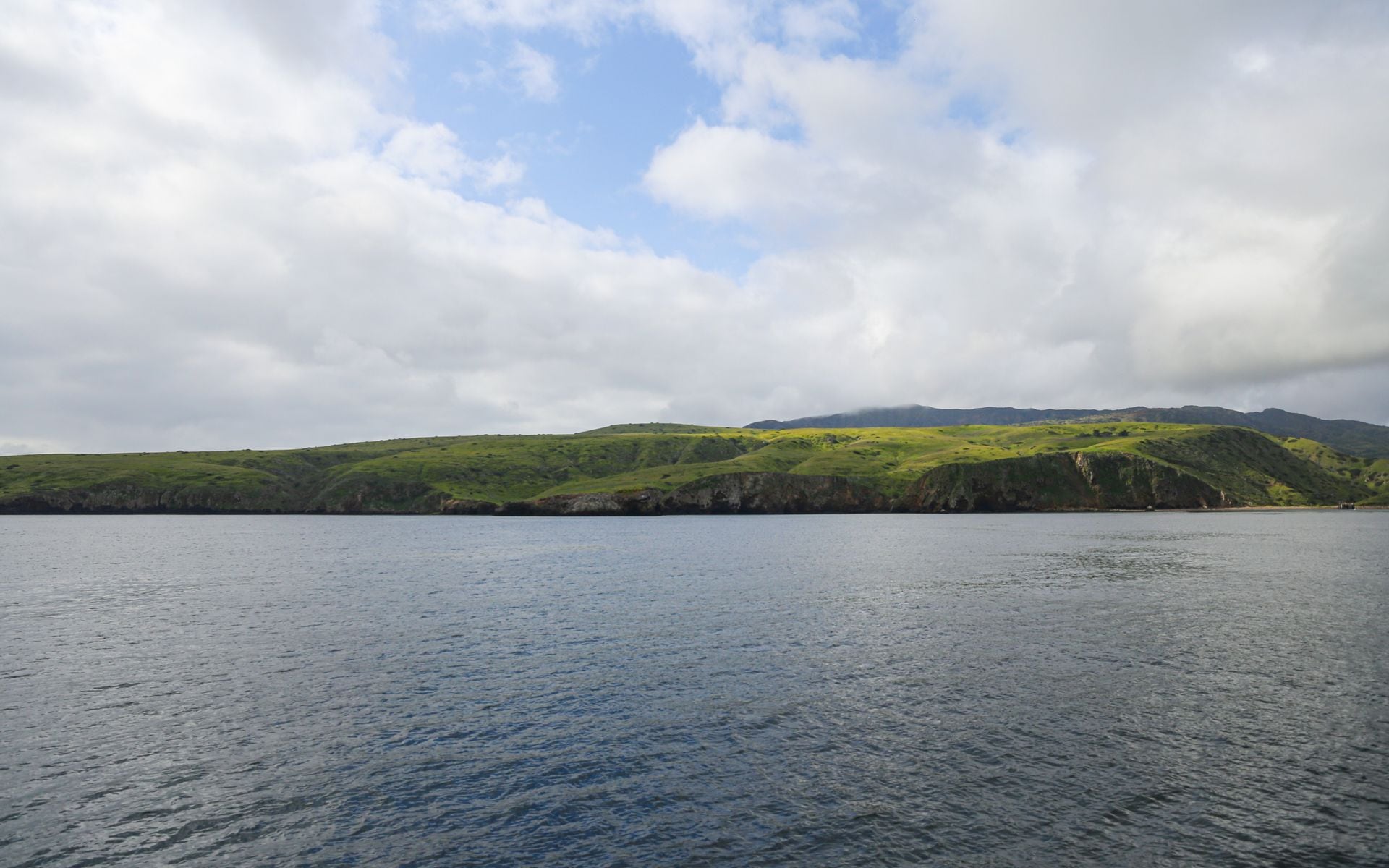
Channel Islands National Park protects five of the eight Channel Islands (Santa Cruz, Anacapa, Santa Rosa, San Miguel, and Santa Barbara) along with a mile of ocean around each. Because they have been cut off from the mainland for so long, the islands evolved their own plants and animals, including the tiny island fox found nowhere else on Earth, which has earned them the nickname the Galapagos of North America. Santa Cruz, the largest island in California, sees the most visitors and offers the widest range of things to do.
There is nothing commercial out here: no lodges, no restaurants, no stores, and no reliable cell service. You bring everything you need for the day or the overnight, including water, and you carry your trash back off the island. That barrier is exactly what keeps the park quiet, with fewer than half a million visitors a year despite sitting an hour by boat from millions of people.
The islands sit off the Central Coast, reached from Ventura and Oxnard, and pair naturally with a mainland trip that includes inland Pinnacles National Park and the coast drive up to Big Sur. It rounds out any list of the best national parks in California and the state's wider set of national parks.
What to Do
Most first-timers head to Santa Cruz Island and land at Scorpion Anchorage, the busiest and easiest access point. From there the Cavern Point Loop is a short, rewarding walk (about 2 miles) along the bluffs with wide ocean views, and the longer Potato Harbor trail (roughly 5 miles round trip) follows the cliff edge to a horseshoe cove. This is also the best island for sea kayaking: outfitters run trips into the island's famous sea caves, including the Painted Cave, one of the largest sea caves in the world.
Anacapa Island is the closest to the mainland, about an hour by boat, and the most compact. A short set of stairs and a 2-mile loop take you past the historic lighthouse to Inspiration Point, which looks down the chain of islets. The waters off Anacapa are a marine reserve, so snorkeling and diving in the kelp forests here are excellent, with bright orange Garibaldi and sea lions common. Wildlife is a constant draw across the park: island foxes trot through the campgrounds, and the surrounding channel is prime whale-watching water in season.
The outer islands (Santa Rosa, San Miguel, and Santa Barbara) take longer to reach and see far fewer people, rewarding those who want real solitude, backcountry hiking, and empty beaches. They run on limited boat schedules, so they suit planned overnight trips rather than day visits. On the mainland side, operators in nearby Santa Barbara such as Cal Coast Adventures run guided paddling and coastal outings if you want to warm up before an island trip.
Getting There and Parking
You cannot drive to the park. The park's boat concessioner, Island Packers, runs the ferries from Ventura Harbor (and some trips from Oxnard), and the crossing to Anacapa or Santa Cruz takes about an hour. Round-trip boat fares run roughly $63 to $95 per adult depending on the island, with the outer islands costing more. Book well ahead, since summer weekend sailings sell out. Channel Islands Aviation also offers small-plane flights to Santa Rosa Island for those short on time.
The park itself charges no entrance fee, so your main cost is the boat. You park at the Island Packers lot and the harbor in Ventura before you board, with day parking available near the departure point. The mainland visitor center at Ventura Harbor is worth a stop for the exhibits, the tide-pool touch tank, and a briefing on conditions before you sail.
For getting to Ventura, the nearest major airport is Los Angeles (LAX), about 90 minutes south by car, while Santa Barbara (SBA) is a smaller option about 40 minutes up the coast. The crossing can be rough, so if you are prone to seasickness, take precautions before you leave the harbor, and watch for dolphins and whales along the way, which are common on the ride out.
Best Time to Go
The islands are open year round, and each season has its case. Late spring, from April into June, brings wildflowers to the island hillsides and generally calmer seas, making it one of the best windows for both the crossing and the hiking. Water clarity for snorkeling and diving tends to be best in late summer and fall.
Summer is the busiest season and the warmest, with the most frequent boat departures and the easiest logistics, though the mornings can start out gray with coastal fog before it burns off. If you want the fullest schedule of sailings and guided kayak trips, June through August is the safe bet, but reserve early.
Winter, from December through March, is the prime whale-watching season on the crossing, when gray whales migrate through the channel, and the islands are at their greenest after the rains. Seas can be choppier and boat schedules thinner, so build in flexibility. Whatever the month, bring layers, sun protection, and more water than you think you need, because there is no shade guarantee and no place to buy anything once you land.
Where to Stay and Eat
There is no lodging or food service on the islands at all, so any overnight stay means camping. Each of the five islands has a primitive campground reserved through Recreation.gov for about $15 per night, with pit toilets and, on most, no water, so you pack in everything including drinking water. The Scorpion campground on Santa Cruz is the most accessible, a short walk from the boat landing.
Most visitors treat the park as a day trip and sleep on the mainland. Ventura and Oxnard have the closest hotels to the harbor, and up the coast, Santa Barbara offers a fuller range of places to stay and eat before or after your crossing. Brophy Bros. in Santa Barbara is a longtime waterfront spot for fresh seafood and chowder overlooking the harbor, a fitting meal on either end of an island day.
Because you carry all your own food onto the islands, pack a solid lunch, snacks, and extra water before you board in Ventura. Plan your mainland base around the wider Central Coast, which links Channel Islands with Santa Barbara, the wine country of the Santa Ynez Valley, and the coast road north.
Frequently asked questions
How do you get to Channel Islands National Park?
By boat or small plane only. The park concessioner, Island Packers, runs ferries from Ventura Harbor (and some from Oxnard); the crossing to Anacapa or Santa Cruz takes about an hour, and round-trip fares run roughly $63 to $95 per adult. Channel Islands Aviation flies small planes to Santa Rosa Island for those short on time.
Which Channel Island should I visit?
For a first visit, Santa Cruz Island (landing at Scorpion Anchorage) offers the most: bluff-top hikes, sea-cave kayaking, and reliable island fox sightings. Anacapa is the closest and most compact, with a short lighthouse loop and excellent snorkeling. The outer islands (Santa Rosa, San Miguel, Santa Barbara) suit planned overnight trips for real solitude.
Is there an entrance fee for Channel Islands National Park?
No, the park charges no entrance fee. Your main cost is the boat or plane to reach the islands. Camping is separate, about $15 per night per site, reserved through Recreation.gov.
Can you stay overnight on the islands?
Only by camping. Each island has a primitive campground with pit toilets and, on most, no water, so you pack in everything including drinking water and pack out your trash. There are no hotels, lodges, or restaurants anywhere in the park. Most visitors stay on the mainland in Ventura or Santa Barbara and visit for the day.
When is the best time to visit the Channel Islands?
Late spring (April to June) brings wildflowers and calmer seas, summer has the most boat departures and warmest weather, and winter (December to March) is prime gray-whale season on the crossing and the greenest time on the islands. Bring layers, sun protection, and plenty of water in every season.