California has a reputation for being pricey, and in the expensive corners it earns it. But the state is 800 miles long and the cost of a day here swings hard depending on where you point the car. A beach day in San Diego and a night on Union Square in San Francisco are not the same trip. The honest answer is that California can be a $150-a-day trip or a $600-a-day trip, and the difference is mostly choices you control: which cities you sleep in, whether you rent a car, and what month you show up. This guide breaks the real numbers down so you can plan around them. For a deeper cost worksheet, see our full California trip cost and budget guide, and use the California travel guide to map where those dollars go.
The Short Answer: It Depends on Which California
There are really three price tiers in this state. San Francisco and coastal Los Angeles (Santa Monica, Beverly Hills, Malibu) sit at the top, where a mid-range hotel room runs $250 to $450 a night in season and parking alone can cost $50 a day. The middle tier covers San Diego, Orange County, Santa Barbara, Palm Springs, and wine country, where rooms land around $200 to $350. The value tier is the interior and the smaller coastal and mountain towns: the Central Valley, the desert outside peak season, the small towns just outside the national parks, and off-season Tahoe, where you can still find clean rooms for $120 to $180.
The trick most first-timers miss is that you do not have to sleep in the most expensive spot to see it. You can tour San Francisco on a day trip from an Oakland or Berkeley hotel across the bay. You can do Los Angeles from Long Beach or Anaheim. The attractions cost the same either way; only the pillow changes price. Distance is the other quiet cost. Because the state is so long, a two-week loop can rack up 1,500 miles between San Diego, the parks, and San Francisco, so plan your route in a line rather than backtracking. Our how many days do you need in California guide helps you right-size the trip before you start pricing hotels.
What You’ll Spend Per Day
Here is a realistic per-person daily range for two people traveling together and splitting a room and a car. These are 2026 numbers for the shoulder and summer seasons.
| Style | Lodging (per person) | Food | Car + gas | Activities | Daily total |
|---|---|---|---|---|---|
| Budget | $70–95 | $35–50 | $35–45 | $10–25 | $150–215 |
| Mid-range | $110–175 | $60–90 | $40–55 | $30–60 | $240–380 |
| Splurge | $225+ | $120+ | $55–80 | $75+ | $475–650+ |
A few line items to anchor those figures. A rental car runs about $50 to $90 a day in summer, more if you want an SUV or convertible, and California gas hovers around $4.75 to $5.50 a gallon, the priciest in the country. A national park entrance is $35 per vehicle and covers seven days, so it is cheap per head if you split it. If you plan to hit three or more parks (say Yosemite, Death Valley, and Sequoia on one loop), the $80 America the Beautiful annual pass pays for itself and covers everyone in your car. Sit-down dinners run $25 to $45 a person at a solid mid-range spot, and a fast, genuinely good California meal at In-N-Out or Philippe The Original in downtown LA runs under $12. Coffee and a pastry at a good local spot lands around $8 to $12, and a casual lunch of tacos or a burrito in San Diego or the Mission in San Francisco runs $10 to $16.
What the Big Attractions Cost
Tickets are where the day trip you thought was cheap quietly climbs. Plan for the ones you care about and skip the rest. A single-day, single-park ticket to Disneyland runs roughly $104 to $206 depending on the date tier, and the busiest summer and holiday days sit at the top of that range. Universal Studios Hollywood starts around $109. Alcatraz is the one to book early: the official Alcatraz City Cruises day tour is about $48 for an adult and sells out days to weeks ahead in summer, so do not count on walking up. The San Diego Zoo runs about $72 for an adult, SeaWorld San Diego and Legoland California land in the $90 to $110 range, and Hearst Castle tours on the Central Coast start around $30.
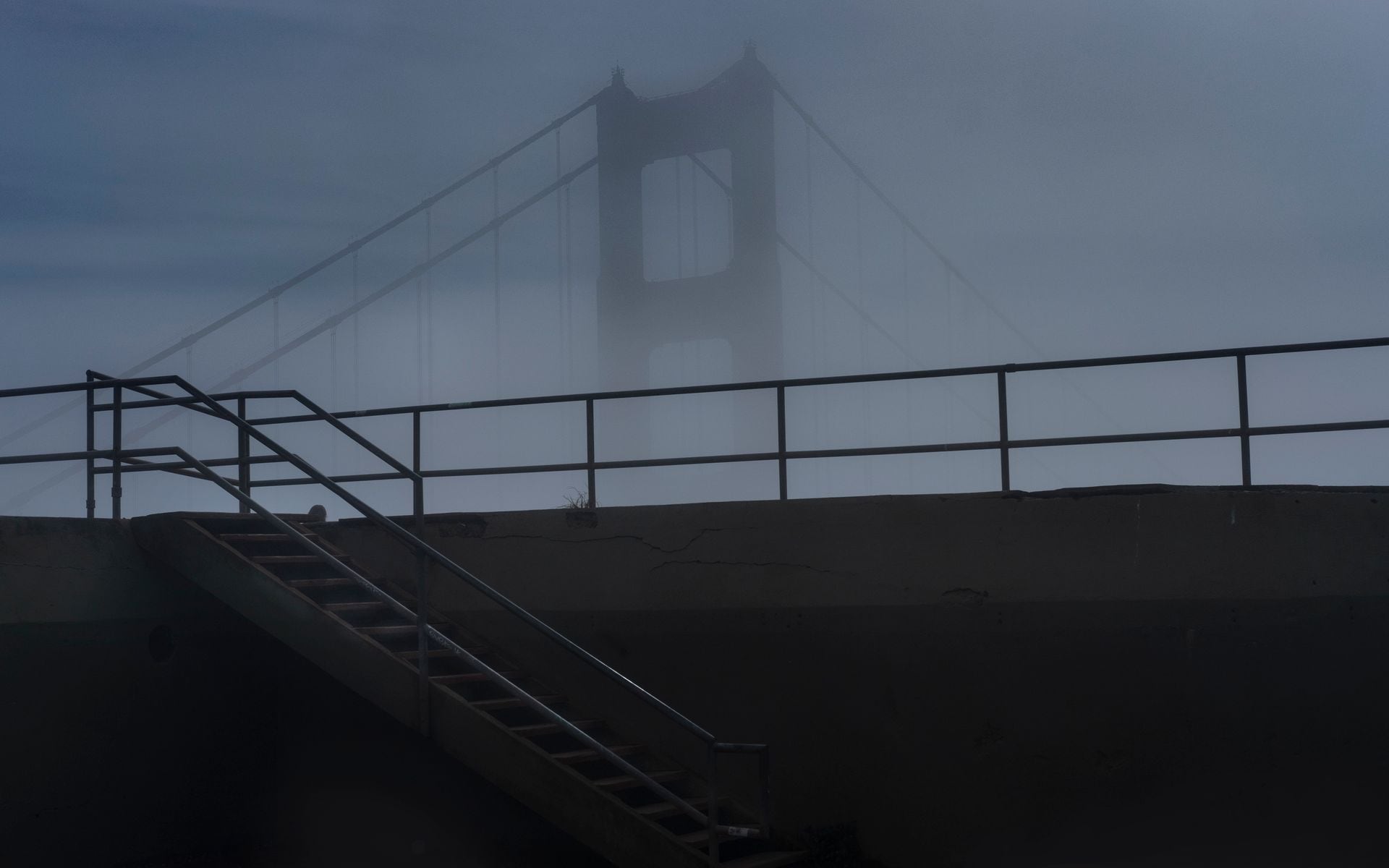
The free and cheap side of California is genuinely deep, which is how you balance the budget. Griffith Observatory in LA is free to enter, so are the beaches, the Marin Headlands overlooks of the Golden Gate Bridge, and most of the trailheads. Museum-wise, the Getty Center and Getty Villa cost nothing to enter (you only pay to park), and San Diego’s Balboa Park has free-entry days on a rotating schedule for residents. Build a trip that mixes one or two paid marquee days with free coast and city time and the activities column stays reasonable.
Where the Costs Hide
The sticker price of a hotel is not the whole bill in California. Resort fees are common in Palm Springs, Anaheim, and the big San Francisco towers, and they add $25 to $50 a night for things like Wi-Fi and pool towels you assumed were free. Parking is the other ambush: valet at a place like the Fairmont San Francisco or the Hotel del Coronado can run $50 to $70 a night, and street parking in San Francisco means garages at $40 or more. Always read the room total, not the headline rate.
City tourist taxes stack on top too, usually 12 to 15 percent (San Francisco’s hotel tax is around 14 percent before smaller district add-ons). And tipping is expected here at 18 to 20 percent on restaurant service, which adds up fast over a week of dinners. Rental cars carry their own hidden layer: airport concession fees and California tax can add 25 to 35 percent to the base rate, and the rental company’s prepaid gas or daily toll-transponder charges bleed money if you do not opt out. None of this is a reason to skip California; it is a reason to budget the real number instead of the advertised one.
The Cheaper Swaps That Don’t Cost You the Trip
The single biggest lever is your base town. Swap a downtown San Francisco tower for a room in Oakland or the Marina district and save $100 a night while still riding BART or driving in each morning. In Southern California, base in Anaheim or Long Beach instead of Santa Monica. Near Yosemite, sleep in Oakhurst, Mariposa, or Groveland rather than inside the park, where lodges like The Ahwahnee book out fast and price high.
Food is the next lever. California does casual food better than almost anywhere, so you do not need white-tablecloth dinners to eat well. Hit Oxbow Public Market in Napa, Anaheim Packing District, Grand Central Market in downtown LA, or a taco shop in San Diego and you will eat for a third of the price of a resort restaurant. Save one splurge meal, like House of Prime Rib in San Francisco, for a night that matters.
Timing your park days helps too. If Yosemite is on your list, the peak-season reservation system rewards planning, so read how to get Yosemite reservations and our Yosemite first-timers guide before you lock dates. Getting the reservation right saves you a wasted, expensive day parked at the entrance. And think hard about whether you need a car at all: in San Francisco you often do not, since BART, Muni, and walkable neighborhoods cover most of a city stay, and skipping the rental for the urban leg can save $70 or more a day. If you do need wheels, our renting a car in California guide covers the fees that inflate the quote.
When to Go to Pay Less
Season moves the whole bill. Summer and the winter holidays are peak, with the highest hotel rates and the worst traffic. The sweet spot for value on the coast and in the cities is spring (April and May) and fall (September through early November), when weather is often better than summer and rooms drop 20 to 30 percent. The deserts flip that calendar: Palm Springs and Joshua Tree are cheapest and most bearable from late fall through early spring, and brutally hot and slow (meaning cheaper) in July and August if you can handle the heat.
Midweek is quietly the biggest discount in the state. A Tuesday night in wine country or Tahoe can cost half of a Saturday. If your schedule bends at all, build the trip around midweek stays in the expensive spots and save weekends for the cheaper towns. For a full month-by-month read on weather and crowds, see the best time to visit California guide.
So is California expensive? It can be, but the price is a dial, not a fixed number. Pick your base towns well, eat California’s excellent cheap food, drive midweek, and skip the resort-fee traps, and a two-week trip through some of the best coast, mountains, and desert in the country lands closer to the middle of that table than the top of it.