The mistake most families make with California is treating it like one destination. It is closer to five. San Francisco to Los Angeles is about six hours on Interstate 5 and nine to ten on Highway 1, and San Diego sits another two hours south of LA. Try to see all of it in a week with young kids and you will spend the trip in the car. Pick one or two regions, keep the drive days under three hours, and the whole thing gets easier. Here is how to build a California trip that kids enjoy and parents can survive.
Pick One Base, Not Five
The single best move for a family trip is choosing one region and going deep instead of racing the length of the state. Southern California is the obvious first pick: Disneyland is in Anaheim, the beaches are warm from August through October, and San Diego is a short hop down Interstate 5. Northern California works too if your kids skew older and you want a mix of city, coast, and redwoods around San Francisco. The Greater Los Angeles and Orange County corridor gives you theme parks, beaches, and aquariums inside a one-hour radius, which is exactly the kind of density that keeps a five-year-old from asking how much longer.
If you are flying in, match the airport to the region. LAX and John Wayne (SNA) put you next to Anaheim and the beach cities. San Diego (SAN) is right in town. SFO covers the Bay Area. Do not fly into LAX for a San Diego trip and eat two hours of freeway on day one. For help timing the trip around weather and crowds, the best time to visit California breaks it down by season, but the short version for families is late spring and early fall: warm enough for the coast, before or after the summer peak when prices and lines are worst.
Theme Parks Without the Meltdown
Disneyland Resort in Anaheim is the anchor for most family trips, and it rewards a plan. Two parks (Disneyland Park and Disney California Adventure) take at least two days if you want to see them without sprinting. A single-day, single-park ticket runs roughly $104 on the cheapest off-peak dates and climbs past $200 on holidays and summer weekends, so the date you pick moves the price more than anything else. Buy tickets ahead, use the app to check wait times and to book Lightning Lane if the day is busy, and build in a midday break back at the hotel during summer when afternoon heat and crowds both peak. Great Wolf Lodge in Anaheim runs an indoor water park that works as a rest day between park days, and Pixar Place Hotel and the Disneyland Hotel put you within walking distance of the gates if you want to skip the parking shuffle.
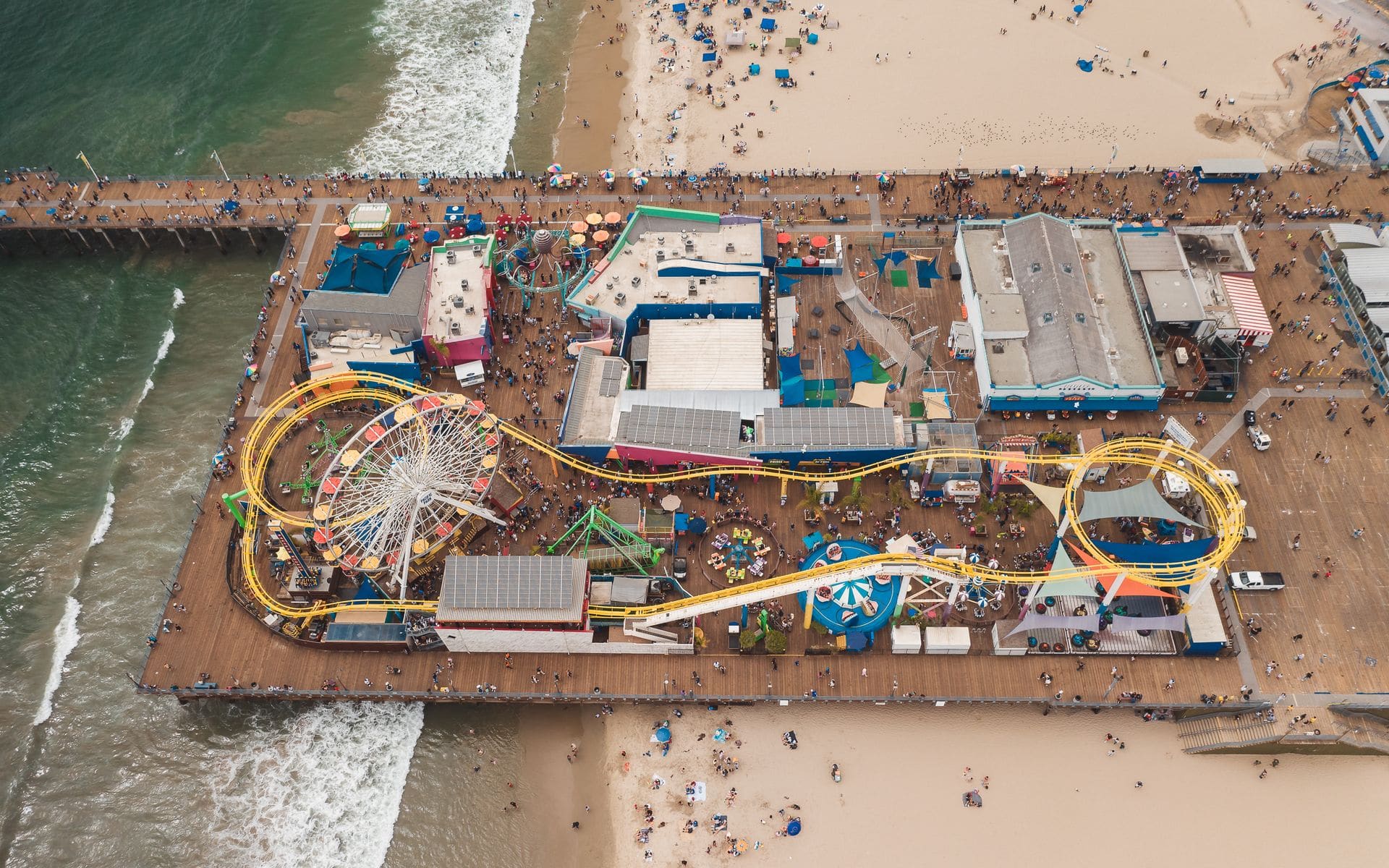
Anaheim is not the only park worth building a day around. Knott’s Berry Farm in Buena Park is ten minutes away, cheaper than Disneyland, and better for older kids who want bigger coasters; its Camp Snoopy area handles the little ones. Universal Studios Hollywood, about 40 minutes north in Los Angeles, pairs the Wizarding World of Harry Potter with a working studio backlot tram tour. Down south, LEGOLAND California in Carlsbad is aimed squarely at the 3-to-10 crowd and sits half an hour north of San Diego, and SeaWorld San Diego rounds out the options. Trying to do more than one of these plus Disneyland in a single trip is how you end up with exhausted kids, so pick one theme-park hub and commit. For a fuller rundown of what else the state offers, the theme parks guide covers the other major players.
The trick with any park day and kids is the same: get there at opening, hit the headline rides first while lines are short, eat lunch early before the crowds, and be ready to leave by mid-afternoon. A tired kid at 4 p.m. in a hot park is a different animal than a fresh one at 9 a.m.
Beaches, Boardwalks, and Aquariums
California’s coast is where kids burn energy for free. Santa Cruz Beach Boardwalk is an old-school seaside amusement park with a wide, flat beach right below it, and it is easy to combine a morning on the sand with an afternoon on the rides. Farther south, the Monterey Bay Aquarium in Monterey is one of the best in the country for young kids, with a touch pool and a two-story kelp forest tank that holds attention longer than you would expect. Adult tickets run about $60 and kids about $50, and buying online for a specific date saves the line at the door. Down in Long Beach, the Aquarium of the Pacific is smaller and more manageable for toddlers.
San Diego is the easiest big city in California to do with children. The San Diego Zoo in Balboa Park is the headliner, with adult admission around $74 and children a bit less; the affiliated Safari Park in Escondido, half an hour north, runs a tram through open-range enclosures and is worth the extra drive if you have a full day. Balboa Park itself is free to walk and packs more than a dozen museums into one green space. For a beach base with room to spread out, the Hotel del Coronado sits right on the sand and has a long, gentle beach that is good for little kids. The zoo, the park, and the calm bay beaches are all close together, and the weather is mild almost year-round.
Up in the Bay Area, San Francisco holds its own for kids who are past the stroller stage. The California Academy of Sciences in Golden Gate Park combines an aquarium, a planetarium, and a four-story indoor rainforest under one living roof, and the Exploratorium on the Embarcadero is a hands-on science museum built for touching everything. Riding a cable car up from the wharf, watching the sea lions at Pier 39, and taking the ferry out to Alcatraz (book weeks ahead) fill two easy days without a car. Just north across the bridge, Muir Woods lets small kids walk flat trails under 250-foot redwoods, though you now have to reserve a parking or shuttle slot in advance.
Building Realistic Drive Days
The number that matters most on a family trip is drive time between stops. Keep it under three hours when you can, and never stack two long drives back to back. A good Southern California loop looks like this: three nights in Anaheim for the parks, two nights in San Diego for the zoo and beaches, then out. That is two short drives (about 90 minutes Anaheim to San Diego) and a lot of stationary days, which is what kids want.
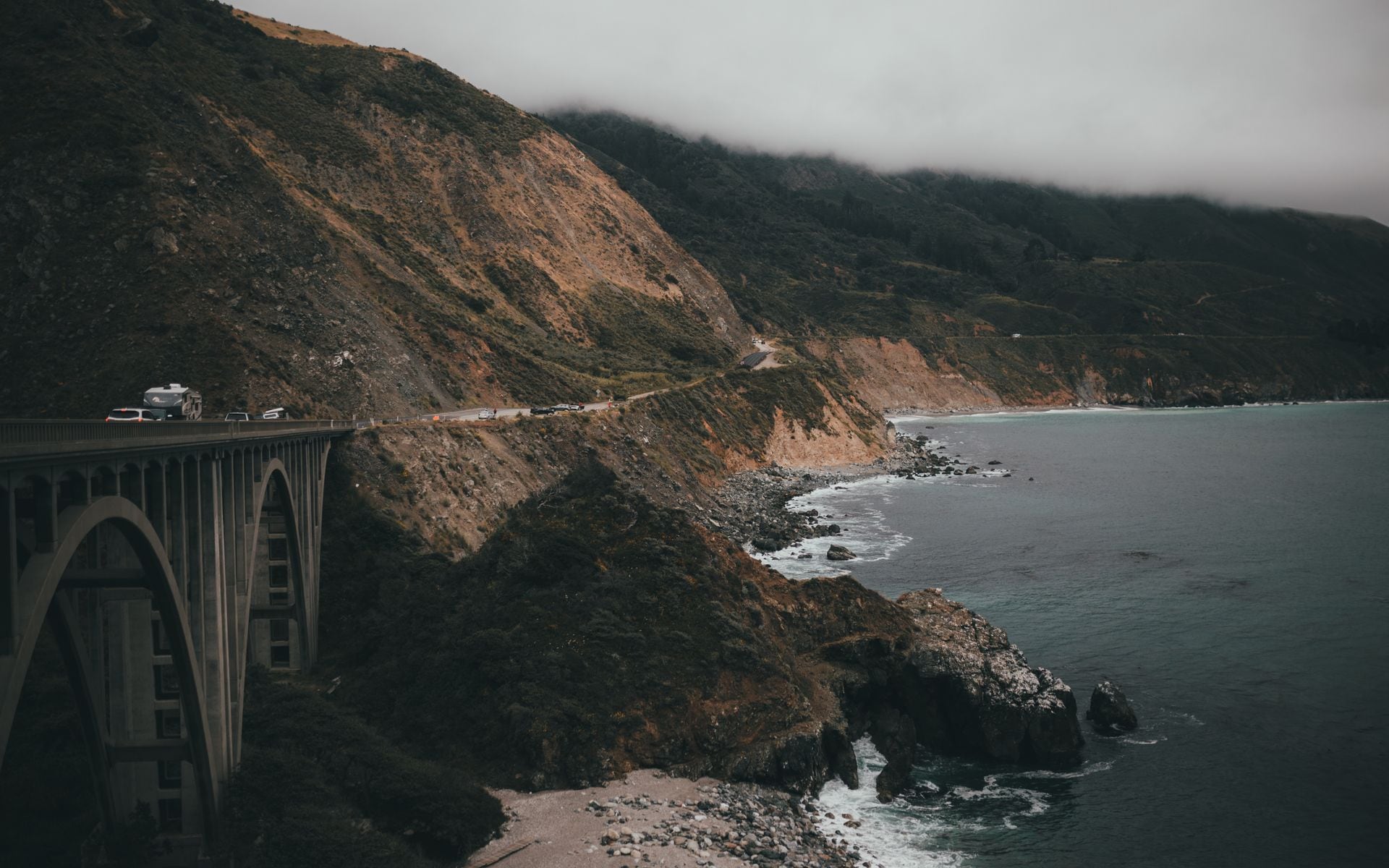
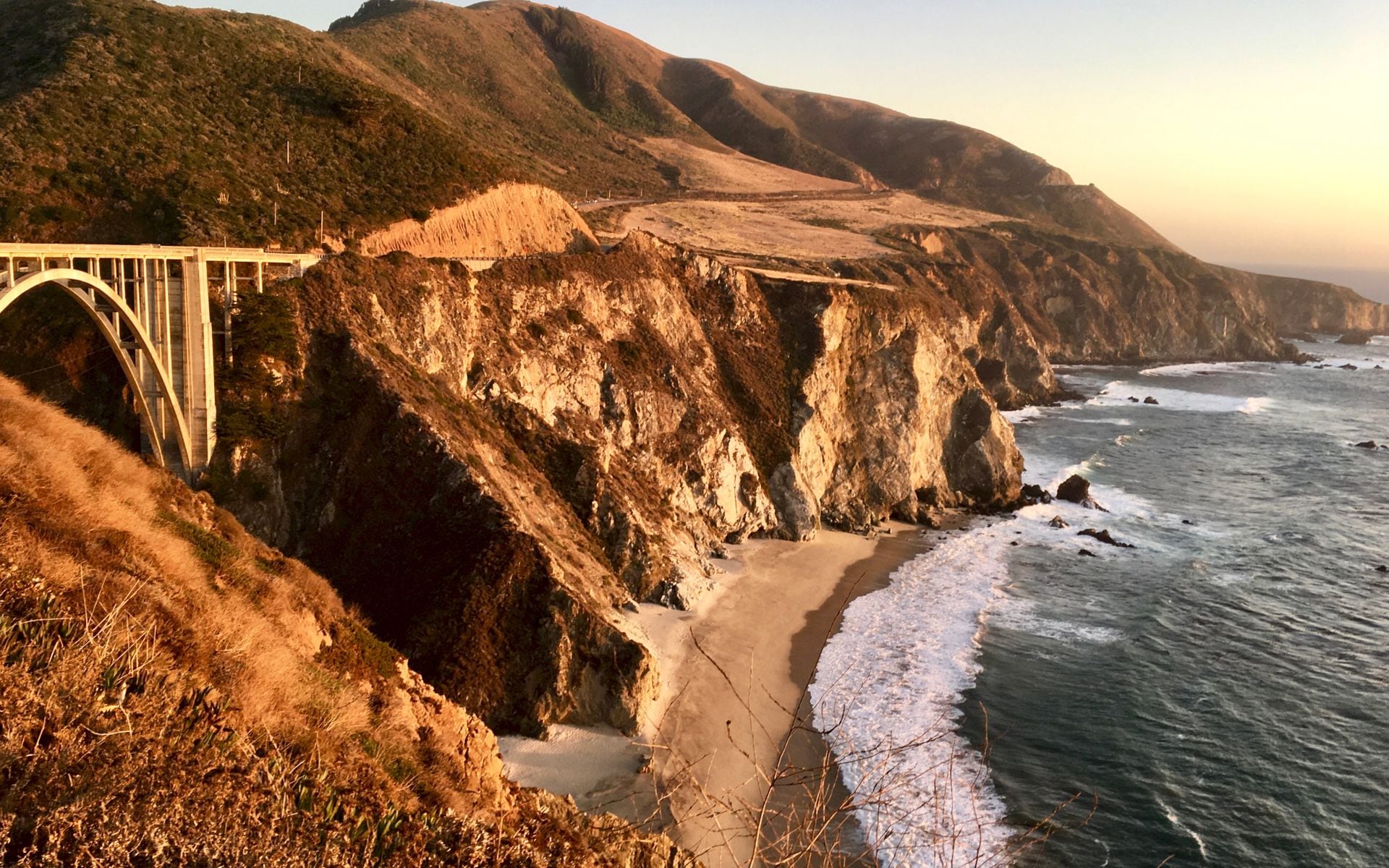
If you have older kids and want to add scenery, the coast north of the parks opens up. A drive up Highway 1 through Big Sur is one of the great road trips in the country, though it is a full day and the winding road is not for carsick-prone toddlers. Our Big Sur travel guide covers where to stop and how long it really takes. If you would rather stay in Southern California, the southern California beaches itinerary strings together short hops from Santa Monica down to San Diego with a base town for each night. And if you are traveling as a couple with grandparents along to watch the kids for an afternoon, wine country is closer to San Francisco than most people think; the best wineries in Napa Valley post has family-friendly options with lawns and food.
Renting a car is almost unavoidable for a family trip, since car seats and stroller gear do not move well on transit. Most agencies rent car seats for around $15 a day, but they run out and the seats are often worn, so bringing your own is usually the better call. Our guide to renting a car in California covers the fees that inflate the base rate, including the airport concession charges that can add 30 percent at LAX and SFO.
Budgeting a Family Trip
California is not a cheap state, and a family of four adds up fast. Theme-park tickets alone can run $400 to $800 a day once you cover parking and food inside the gates, so pack snacks and refill water bottles rather than buying everything on site. Summer lodging in Anaheim, San Diego, and the coastal towns is the priciest window; the same room can cost 30 to 40 percent less in April, May, or after Labor Day. Renting a place with a kitchen for part of the trip, even just for breakfasts, cuts the food bill more than any coupon will. Our breakdown of whether California is expensive to visit lays out real daily numbers by region so you can set a budget before you book.
The savings that matter most are structural, not small. Staying in one region cuts fuel and cuts the temptation to buy your way out of a bad afternoon. Timing the trip for the shoulder season lowers both lodging and crowds. And choosing one theme-park hub instead of three keeps the single biggest line item from ballooning.
What to Pack and Plan For
California weather flips fast by region. A summer morning in San Francisco can sit in the high 50s with fog while inland valleys hit the 90s the same afternoon, so pack layers even in July. The deserts and inland parks get dangerously hot from May through September, so save Death Valley and Joshua Tree for the cooler months and keep the coast for summer. Bring sunscreen you will reapply, water bottles for everyone, and a car charger, because you will lean on the phone for maps and wait times. Our what to pack for California checklist runs through the region-by-region gear, but the short version for families is layers, closed-toe shoes for the parks, and swim stuff you can pull out at any hotel pool.
Book lodging with a pool if you are traveling in summer; it doubles as a bribe and a decompression tool after a park day. Reserve popular restaurants and any timed park entries ahead. And leave one unscheduled day per week. The best family memories in California tend to come from the unplanned hour on the beach, not the fourth attraction you crammed into a Tuesday.