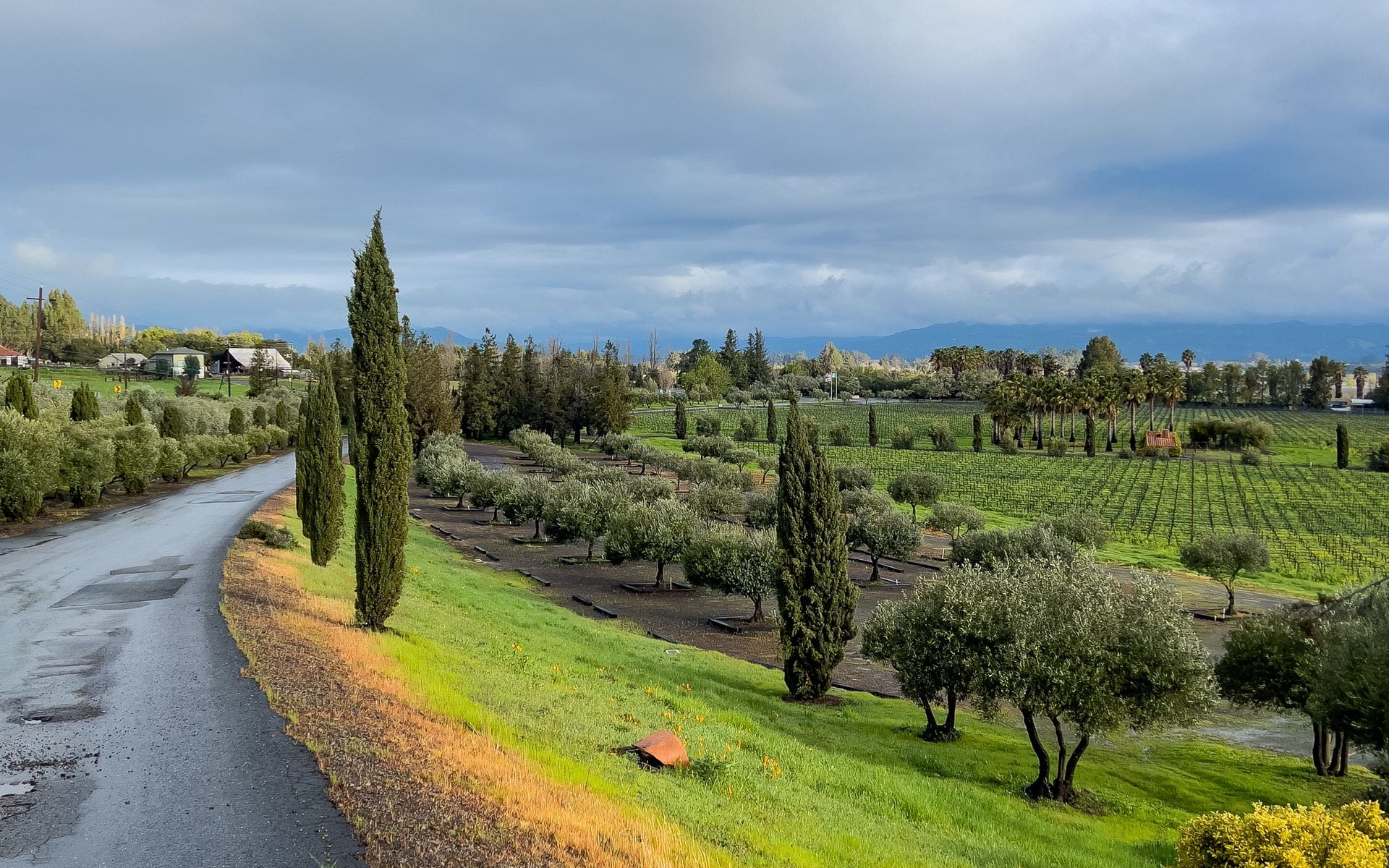
Napa Valley is about 30 miles long and packed with more than 400 wineries, which means the hard part is not finding good wine. It is choosing where to spend a limited number of tastings before your palate and your patience run out. Two or three appointments a day is the honest ceiling. This guide names specific wineries worth booking, what tastings cost, and how to plan a day that does not turn into a slog up Highway 29 in traffic.
Book Ahead, Because Walk-Ins Are Mostly Gone
The biggest shift in Napa over the past decade is that most quality wineries now require reservations for tastings, and many have moved to seated, guided experiences rather than a quick pour at a bar. That is good for the experience and bad for spontaneity. Book your two or three stops before you arrive, especially on weekends and through the fall harvest season. Tasting fees generally run from about $40 to $100 per person at most estates, with reserve and food-paired experiences climbing higher. Many wineries waive the fee if you buy a few bottles, so factor that in. Ask when you book whether the fee is refundable with purchase, because policies vary widely from one estate to the next.
Plan your route geographically to avoid backtracking. Napa Valley runs south to north from the town of Napa up through Yountville, Oakville, Rutherford, and St. Helena to Calistoga at the top, roughly a 30-mile line. Cluster your stops in one part of the valley rather than crisscrossing it, and give yourself 90 minutes to two hours per seated tasting so you are not rushing between appointments. Our Napa Valley page has the full lay of the land and how the towns connect, and the wine tasting guide covers how the experience differs across California’s other wine regions.
The Stops Worth Booking
Trefethen Family Vineyards in the Oak Knoll district at the southern end of the valley is a strong first stop. It is a family-run estate with a restored historic winery building and estate-grown wines, and it sits close to the town of Napa so you are not driving far on arrival. The setting is calmer than the marquee names farther north.
Domaine Carneros is the sparkling-wine specialist, set in a hilltop chateau in the Carneros district on the Napa-Sonoma line. You taste bubbles and Pinot Noir on a terrace looking out over the vines, and it is one of the more scenic seated tastings in the region. Book the terrace if the weather is good.
Baldacci Family Vineyards in the Stags Leap District is smaller and more intimate, known for Cabernet Sauvignon from one of Napa’s best-regarded red-wine areas. Monticello Vineyards, also near the town of Napa, pours estate Cabernet and Chardonnay in a setting modeled loosely on Jefferson’s Monticello. Both reward the traveler who wants conversation with the pourer over a factory-scale tasting room.
If you want history in the glass, a few of Napa’s landmark estates are worth the crowds. Beringer Vineyards in St. Helena is the oldest continuously operating winery in the valley, and its Rhine House mansion and hillside caves make the tour as much about the place as the wine. Chateau Montelena in Calistoga is the estate whose Chardonnay won the 1976 Judgment of Paris tasting that put California on the map, and its stone winery and Chinese garden lake are a calm stop at the north end. Frog’s Leap in Rutherford runs an organic, dry-farmed operation with a relaxed farmhouse feel and porch seating, a good antidote to the more formal rooms down valley.
For sparkling wine, Domaine Chandon in Yountville is the French-owned counterpart to Domaine Carneros and an easy add on a Yountville-based day. And if you are traveling with people who want the wine to come with a spectacle, Castello di Amorosa near Calistoga is a full medieval-style castle with a moat, a barrel room, and family-friendly grounds; tickets that include a tasting run around $40 and up.
If you have time to cross into neighboring Sonoma, St. Francis Winery and Vineyards in Sonoma Valley is worth the drive for its wine-and-food pairings, though it sits outside Napa proper. Treat it as a Sonoma day rather than squeezing it into a Napa route.
Where to Eat Between Tastings
You need to eat, and not just to soak up the wine. The town of Napa’s Oxbow Public Market is the easiest lunch stop in the valley: a covered market hall with oysters, tacos, cheese, and coffee under one roof, so a group with different cravings can all find something. It is central, casual, and does not require a reservation, which makes it the right midday break between two seated tastings.
Yountville, ten minutes north, is the fine-dining heart of the valley and home to some of the most celebrated restaurants in the country, including Thomas Keller’s The French Laundry, which takes reservations up to two months out and is one of the hardest tables in America. If you want one big meal, book it there weeks ahead. For most travelers, though, a market lunch and a picnic-friendly winery lawn beats a heavy sit-down meal that eats two hours of tasting time.
Beyond the Tasting Room
You do not have to spend every hour in a tasting room to enjoy Napa, and mixing in something else keeps a two-day trip from blurring together. The Napa Valley Wine Train runs a restored early-1900s train from the town of Napa up through the vineyards to St. Helena with lunch or dinner on board, which lets a group drink without a driver. At dawn, hot-air balloon flights lift off from the valley floor near Yountville for roughly $250 to $300 per person, and the still morning air makes it one of the calmer places in the country to fly.
The north end of the valley has its own draws. Calistoga is a hot-springs town where you can soak in mineral pools or take the volcanic-ash mud baths the area is known for, a good way to end a day of tasting. Just outside town, the Old Faithful Geyser of California erupts on a regular cycle, and the Petrified Forest nearby is a quick, offbeat stop. If you would rather move under your own power, renting a bike and riding a flat stretch of the Silverado Trail past the vineyards is a classic Napa morning.
Planning the Day and the Season
Napa gets hot and busy in summer, when valley-floor highs regularly push into the 90s, and harvest season from late August into October is the most atmospheric time to visit but also the most crowded and expensive. During crush you can watch fruit come in and smell fermentation on the air, which is the reason many people pick fall despite the prices. Spring, roughly April into June, brings green hillsides, the last of the yellow mustard blooms in the rows early on, and lighter crowds. Winter is the quietest and cheapest stretch, and while the vines are bare, the tasting rooms are calm and appointments are easy to get. Our guide to the best time to visit California lays out the wider seasonal picture, but for Napa the sweet spots are late spring and the shoulder weeks of fall before the harvest rush peaks.
If you want to stay in the valley rather than commute from San Francisco, lodging spans the range. Auberge du Soleil in Rutherford and the Carneros Resort near the south end are the high-end hillside stays, the Hotel Yountville puts you walking distance from the best restaurants, and Indian Springs in Calistoga pairs rooms with its historic mineral pool. All of it books up and prices up in fall, so reserve when you book your tastings, not after.
Logistics matter more than people expect. Highway 29 through the middle of the valley backs up badly on summer weekends; the parallel Silverado Trail on the east side is often faster and prettier. If everyone in your group wants to taste, do not drive. Hire a car service or join a small-group tour so nobody has to stay sober behind the wheel. Napa takes drunk driving seriously, and the two-lane roads are unforgiving.
Building It Into a California Trip
Napa sits about 90 minutes north of San Francisco, which makes it an easy add-on to a Bay Area trip or the start of a longer California loop. Two nights is the right length for a first visit: one day in the southern valley around Napa and Yountville, one in the north around Rutherford and Calistoga. Our wine country weekend itinerary lays that out stop by stop with a base town for each night. From here, travelers often continue to the coast or swing inland toward the parks depending on the season. If you are combining wine country with a cooler-weather desert leg, the Death Valley when to visit guide covers the window when the desert is comfortable, and the Joshua Tree weekend guide does the same for the southern desert parks. For the full picture of how the regions connect, start with the California travel guide.
Keep the day simple. Two or three good tastings, one solid meal, a designated driver, and a route that does not fight the traffic. Napa rewards restraint far more than ambition.