What to Expect
Sonoma Valley, the stretch locals call the Valley of the Moon, runs about 17 miles north from the town of Sonoma up through Glen Ellen and Kenwood, with Highway 12 as its spine. It is one piece of the larger Sonoma County wine world, but as a destination it is compact and unpretentious. Where Napa is polished and reservation-locked, Sonoma is more come-as-you-are: jeans at the tasting bar, dogs on the patio, and prices that will not make you flinch as often.
The anchor is the town of Sonoma itself, built around an eight-acre central plaza, the largest in California, with the last of California's Spanish missions on its north side. You can park once and walk to a dozen tasting rooms, restaurants, and shops right on the square, which is a genuinely different experience from Napa's spread-out valley. North of town, Glen Ellen and Kenwood get more rural and wooded, with wineries set back in the oaks.
Tasting fees here typically run $25 to $50 per person, noticeably below Napa's, and more wineries still welcome walk-ins, though booking ahead on weekends is smart. The signature grapes are Zinfandel, Chardonnay, and increasingly Pinot Noir in the cooler pockets. For the wider picture, the Wine Country region guide lays out how Sonoma Valley sits against its more famous neighbor.
What to Do
The main event is wine tasting, and Sonoma makes it easy to do without a rigid plan. St. Francis Winery and Vineyards up in Kenwood is one of the valley's standouts, known for big Sonoma Zinfandel and Cabernet and for a food-and-wine pairing that regularly gets ranked among the best in the country. Buena Vista Winery in the Sonoma hills is the oldest commercial winery in California, founded in 1857, and leans into that history in its caves and tasting room.
For something more low-key, Gundlach Bundschu just outside the town of Sonoma is a sixth-generation family winery with a relaxed hilltop tasting deck, and Benziger Family Winery in Glen Ellen runs a tractor-pulled tram tour through its biodynamic vineyard, a good pick if you want to learn how the wine is farmed. Two or three of these in a day, with lunch on the plaza in between, is a full and unhurried itinerary. See more of the state's picks in our best wineries in California roundup.
Sonoma is not only wine. Jack London State Historic Park in Glen Ellen preserves the author's ranch, cottage, and the ruins of his Wolf House, with easy hiking trails through oak woodland. The town plaza has the mission, the old barracks, and a cluster of good shops and cheese counters. It is the rare wine-country base where you can spend a morning on foot before you ever pour a glass.
Getting There and Around
The town of Sonoma is about 45 miles from San Francisco, a drive of roughly 45 minutes to an hour and a quarter depending on traffic over Highway 37. From Oakland and the East Bay it is a similar hour. San Francisco International (SFO) and Oakland International (OAK) are the nearest major airports, both about 90 minutes out. As with the rest of wine country, there is no useful train in, so you are driving.
Around the valley, distances are short: Sonoma to Kenwood is about 20 minutes up Highway 12. The town plaza is the one place you can genuinely park and walk between tasting rooms, which makes it a smart base if you want to taste on foot for part of the day and drive only for the wineries farther up-valley. Ride-hailing is available around town but sparse in the rural stretches toward Kenwood.
Same rule as everywhere in wine country applies: someone has to stay under the limit, so line up a designated driver, a car service, or a tour van. Sonoma Valley pairs easily with Napa Valley, which sits 30 to 45 minutes east over the Mayacamas Mountains, if you want to see both in one trip.
Best Time to Go
Fall, from September into October, is harvest and the busiest, warmest season, with the wineries in full working mode and the hills turning gold. Rooms and tastings are at their priciest and hardest to get, so book ahead if you want to be here during crush. It is a genuinely good time to visit, just not a quiet one.
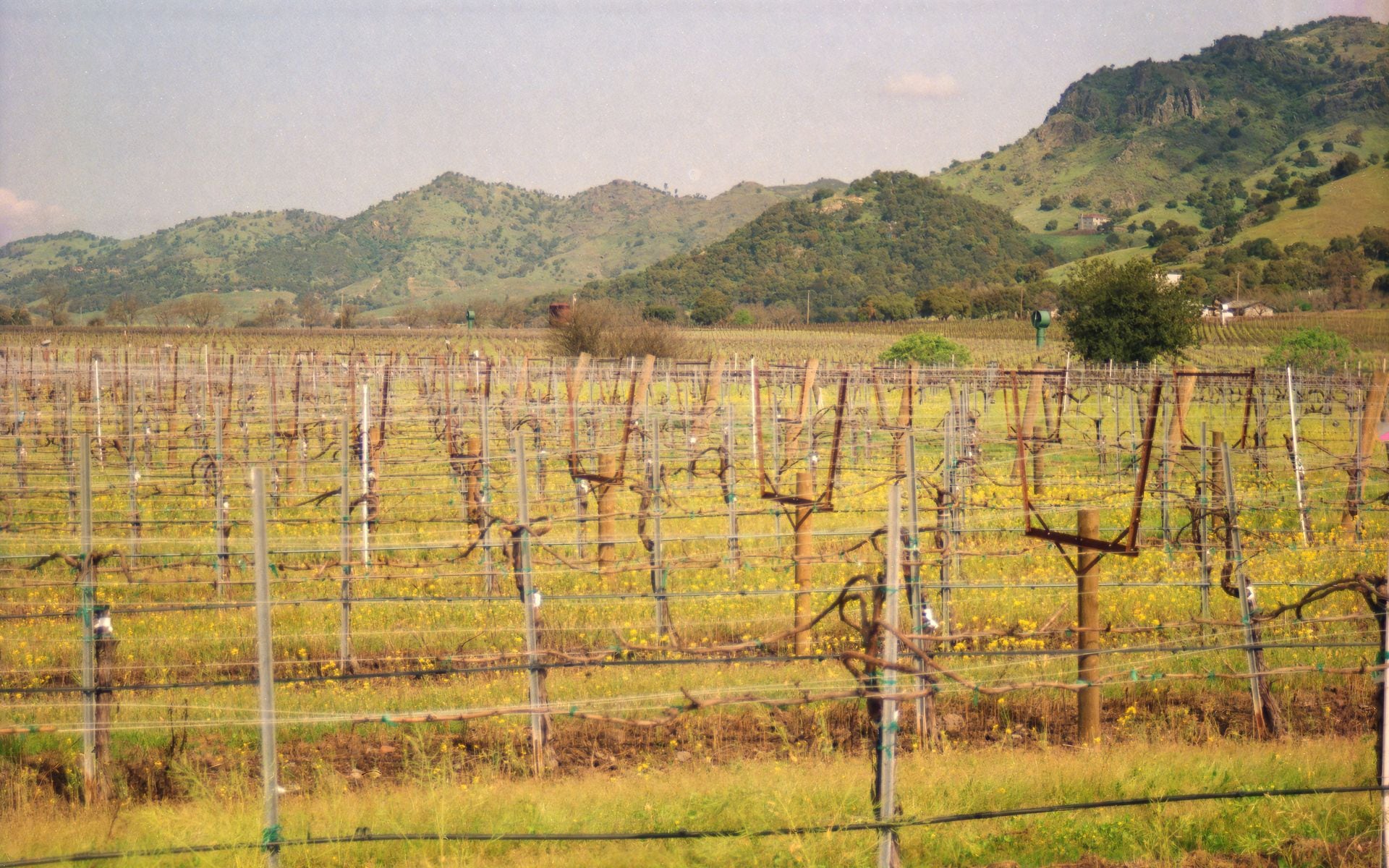
Spring, roughly March through May, brings green hills, wildflowers, and mild days in the 60s and 70s, with easier bookings and lower rates than fall. Summer runs warm to hot up-valley, often into the 90s in July and August, though the mornings start cool. Winter is the calm bargain window: cooler, sometimes rainy, vines bare, but tasting rooms relaxed and rooms cheap.
As in Napa, weekdays beat weekends here, and by a wide margin. A midweek visit to the Sonoma plaza and the Kenwood wineries feels unhurried in a way that a Saturday does not. If you have any flexibility in your dates, use it to land on a Tuesday or Wednesday.
Where to Stay and Eat
The town of Sonoma is the most convenient base, with inns and hotels right on or near the plaza that let you walk to dinner and morning coffee. The Fairmont Sonoma Mission Inn in Boyes Hot Springs is the valley's full-service resort and spa, built around natural mineral springs, and Glen Ellen and Kenwood have smaller inns if you want to be up among the vineyards rather than in town.
Eating here is easygoing and good. The Sonoma plaza is ringed with options, from the long-running Sonoma Cheese work of the local creameries to well-regarded restaurants like The Girl and the Fig for French country cooking. In Glen Ellen, the Fig Cafe and the glen ellen star wood-fired kitchen are reliable dinners, and the valley's farm stands and delis make it easy to assemble a picnic for a winery lawn.
Because Sonoma is more walk-in-friendly than Napa, you can be looser with dinner plans, but the best-known spots on the plaza still fill on weekend nights, so book those a few days out. For a casual meal between tastings, the plaza's cafes and the cheese and charcuterie counters will not steer you wrong.
Good to Know
Sonoma is friendlier to spontaneity than Napa, but do not assume every winery takes walk-ins on a Saturday. Many still do, especially midweek, but the popular ones book up, so reserve your one or two anchor tastings ahead on weekends and treat the rest as walk-in bonus stops. Budget $25 to $50 per person for fees, sometimes waived with a purchase.
Keep the town-of-Sonoma plaza in mind as your logistics hub. Parking once and walking to several tasting rooms cuts down on driving and lets more of your group taste. Save the car for the run up Highway 12 to Kenwood, and even then, keep it to a driver who is sticking to sips or joining a car service.
Do not try to do all of Sonoma County in a day. The Russian River, Healdsburg, and the coast are a separate, larger world to the north and west and need their own trip. Sonoma Valley proper is the tight, walkable, lower-key slice, and treating it as its own relaxed day or overnight is exactly how to enjoy it.
Frequently asked questions
Is Sonoma cheaper than Napa?
Generally yes. Sonoma Valley tasting fees typically run $25 to $50 per person versus Napa's $40 to $100, lodging tends to run lower, and more wineries still welcome walk-ins. The trade-off is fewer of the marquee cult-Cabernet names, but for a relaxed, lower-cost wine-country day, Sonoma wins.
Can you walk to wineries in Sonoma?
In the town of Sonoma, yes. The historic plaza has a dozen tasting rooms, restaurants, and shops within walking distance, so you can park once and taste on foot. Wineries farther up-valley in Glen Ellen and Kenwood require a short drive, so plan a designated driver or car service for those.
How far is Sonoma from San Francisco?
The town of Sonoma is about 45 miles from San Francisco, roughly 45 minutes to an hour and a quarter by car depending on traffic. There is no practical train into the valley, so you will need a car or a car service.
Do you need reservations in Sonoma Valley?
Less than in Napa. Many Sonoma wineries still take walk-ins, especially midweek, but the popular ones fill on weekends. Book your one or two must-do tastings ahead for a Saturday and treat the rest as walk-in stops.
Can you do Napa and Sonoma in one trip?
Easily. The town of Sonoma and Napa Valley are only 30 to 45 minutes apart over the Mayacamas Mountains, so many visitors base in one and day-trip to the other, or split a two-night stay between them.