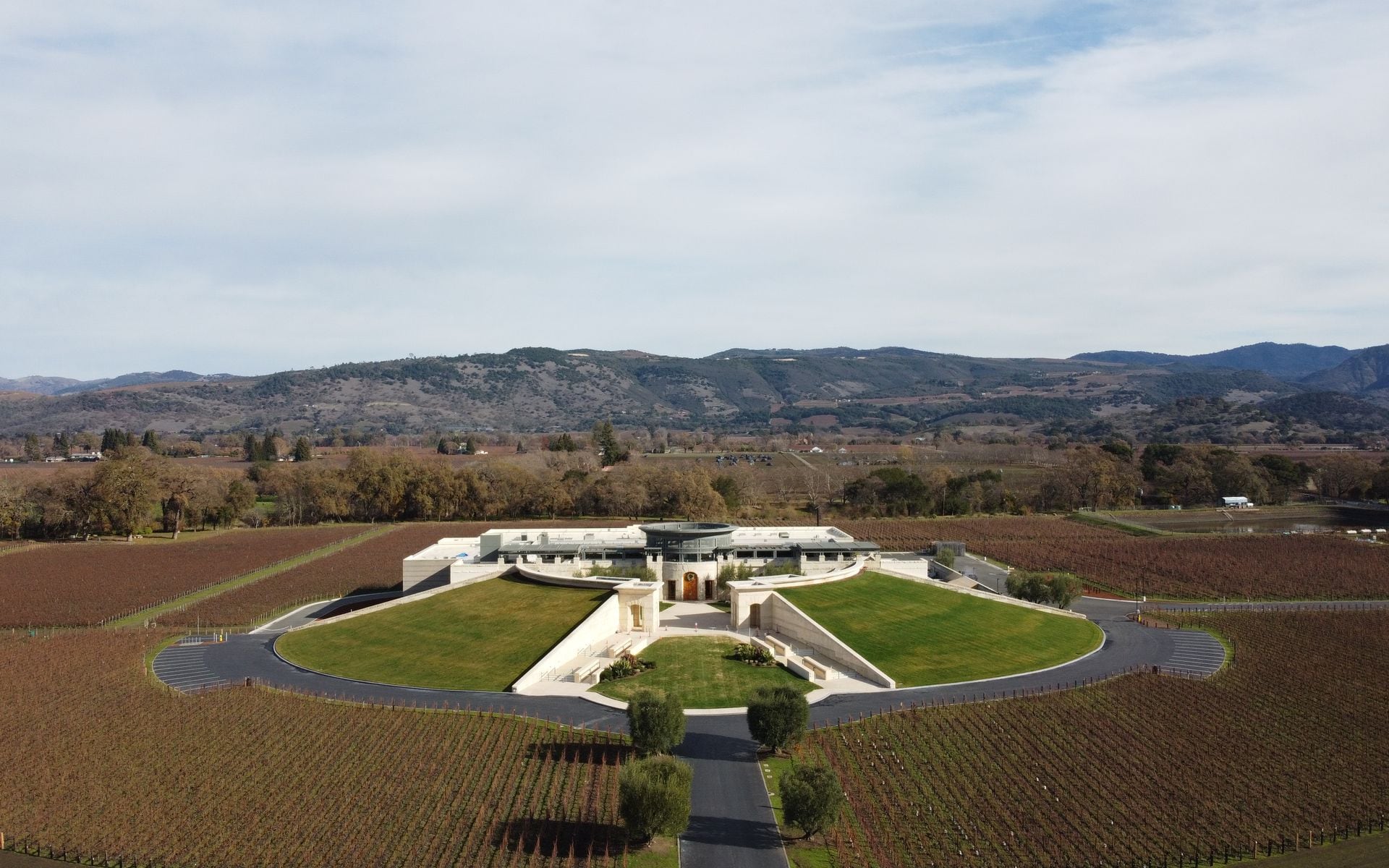
How to Plan a Tasting Day
Two rules make a wine day work in California. First, most of the good wineries now require a reservation for tastings, especially in Napa and Sonoma, so book a few days ahead rather than showing up. Second, plan for two or three wineries in a day, not six: tastings run 60 to 90 minutes and fees run roughly $30 to $75 a person, often waived with a bottle purchase. A designated driver or a hired car is the smart move.
The regions each have a personality. Napa is the big-name Cabernet country, Sonoma is more rural and relaxed, the Santa Barbara area does cool-climate Pinot and Chardonnay, Paso Robles leans into bold Rhone reds, and Temecula near San Diego is the Southern California option. Our California Travel Guide maps the regions, the wine tasting guide covers the how-to, and the hotels and resorts directory lists real places to stay near the vines.
Napa Valley
**Winery: Domaine Carneros · Region: Napa (Carneros) · Best for: sparkling wine with a view**. Domaine Carneros pours its estate sparkling wine and Pinot Noir from a hilltop chateau modeled on a French estate, with terrace seating over the vineyards. It is one of the most scenic first stops in the valley and an easy introduction to Napa for anyone who thinks they only like bubbles.
**Winery: Trefethen Family Vineyards · Region: Napa (Oak Knoll) · Best for: estate history and Chardonnay**. Trefethen is a family-run estate in the Oak Knoll District, known for its historic wooden winery building and its Chardonnay and Cabernet. It is a calmer, less corporate stop than the downvalley giants and a good example of Napa's founding-family side.
**Winery: Baldacci Family Vineyards · Region: Napa (Stags Leap) · Best for: small-production Cabernet**. Baldacci is a small family winery in the Stags Leap District, the sub-region that made Napa Cabernet famous. Tastings are intimate and reservation-only, which is exactly the point if you want to talk to the people who make the wine rather than move through a crowd.
**Winery: Monticello Vineyards · Region: Napa (Oak Knoll) · Best for: a quiet estate visit**. Monticello, with its Jefferson-inspired estate house, is another Oak Knoll family winery that stays under the radar. It rounds out a Napa day nicely alongside the bigger names. All of these sit in the Wine Country region north of the Bay, an easy day up from the San Francisco Bay Area.
Sonoma and the North Bay
**Winery: St. Francis Winery & Vineyards · Region: Sonoma (Kenwood) · Best for: a food-and-wine pairing**. St. Francis in the Sonoma Valley is known for its Sonoma County reds and a well-regarded seated food pairing that goes well beyond crackers and cheese. Sonoma in general is the more low-key, rural cousin to Napa, with shorter lines and lower fees, and St. Francis is a strong place to see why people prefer it.
Sonoma rewards a slower pace than Napa. The valley towns of Sonoma, Glen Ellen, and Healdsburg all make good bases, and the tasting rooms tend to feel more like farms than showpieces. It is the region to choose if Napa's polish and prices are not your thing.
The Central Coast
**Region: Santa Barbara County (Sta. Rita Hills) · Best for: Pinot Noir · Drive from LA: 2.5 hrs**. The cool, fog-fed hills west of Solvang grow some of California's best Pinot Noir and Chardonnay. Sanford Winery, a pioneer of the Sta. Rita Hills, is a classic stop, and the whole Santa Ynez Valley pairs tasting with the Danish town of Solvang for lunch. It is the region the movie Sideways put on the map.
**Region: Paso Robles · Best for: bold Rhone reds · Drive from LA: 3.5 hrs**. Paso Robles, halfway between LA and San Francisco, has grown into one of the state's most exciting wine regions, strong on Rhone-style blends and Zinfandel. Tablas Creek Vineyard, a joint venture with France's Chateauneuf-du-Pape estate Chateau de Beaucastel, is the benchmark producer and an easy, welcoming visit. Paso pairs well with a Highway 1 road trip stop.
Southern California and the Delta
**Winery: Miramonte Winery · Region: Temecula · Best for: a Southern California tasting day · Drive from San Diego: 1 hr**. Temecula, in the hills north of San Diego, is Southern California's main wine region, and Miramonte is one of its established hilltop wineries with valley views and live-music weekends. It is the easiest wine day if your trip is anchored in the south rather than the Bay Area.
**Winery: San Antonio Winery · Region: Los Angeles · Best for: history in the city**. San Antonio Winery, founded in 1917, is the last producing winery left in the city of Los Angeles, a survivor from the era when the LA River basin was covered in vineyards. It is an easy, no-drive urban tasting with a restaurant attached, right in downtown.
**Winery: Old Sugar Mill · Region: Clarksburg (near Sacramento) · Best for: many tasting rooms under one roof**. Old Sugar Mill in the Sacramento Delta town of Clarksburg gathers more than a dozen tasting rooms inside a converted 1930s beet-sugar factory, so you can sample a range of producers without driving between them. It is the practical choice if you are near the capital rather than the coast.
Picking Your Region
For a first wine trip and the biggest names, go to Napa, and add Sonoma next door for a change of pace. For cooler-climate Pinot and a Central Coast road trip, aim for the Santa Barbara area and Paso Robles. If your trip is anchored in Southern California, Temecula and even San Antonio Winery in LA keep a tasting day close to home.
Book your tastings ahead, keep it to two or three stops, and line up a driver. Stay near the vines through the hotels directory, thread the coastal wine regions into a driving route with our best road trips guide, and if you want to work off the tastings, the best hikes list covers trails near most of these regions.
Frequently asked questions
Do California wineries require reservations for tasting?
Increasingly, yes, especially in Napa and Sonoma, where most quality wineries are reservation-only or strongly prefer bookings. Reserve a few days ahead. Some Central Coast and Temecula tasting rooms still take walk-ins, but you will have a better visit with a reservation almost everywhere.
How much does wine tasting cost in California?
Tasting fees run roughly $30 to $75 per person at most quality wineries, higher for reserve or seated experiences in Napa. Many wineries waive the fee if you buy a bottle or two. Budget for two or three tastings in a day rather than trying to fit in more.
Which California wine region is best for first-timers?
Napa Valley for the famous names and the most polished experience, or Sonoma right next door for a more relaxed, lower-cost version of the same. Both are about 90 minutes to two hours north of San Francisco, which makes them the easiest wine regions to reach on a first California trip.
Is there good wine tasting in Southern California?
Yes. Temecula, about an hour north of San Diego, is the main Southern California wine region with dozens of hillside wineries like Miramonte. In Los Angeles itself, the historic San Antonio Winery has poured since 1917. Neither rivals Napa in scale, but both make an easy tasting day if your trip is anchored in the south.