What to Expect
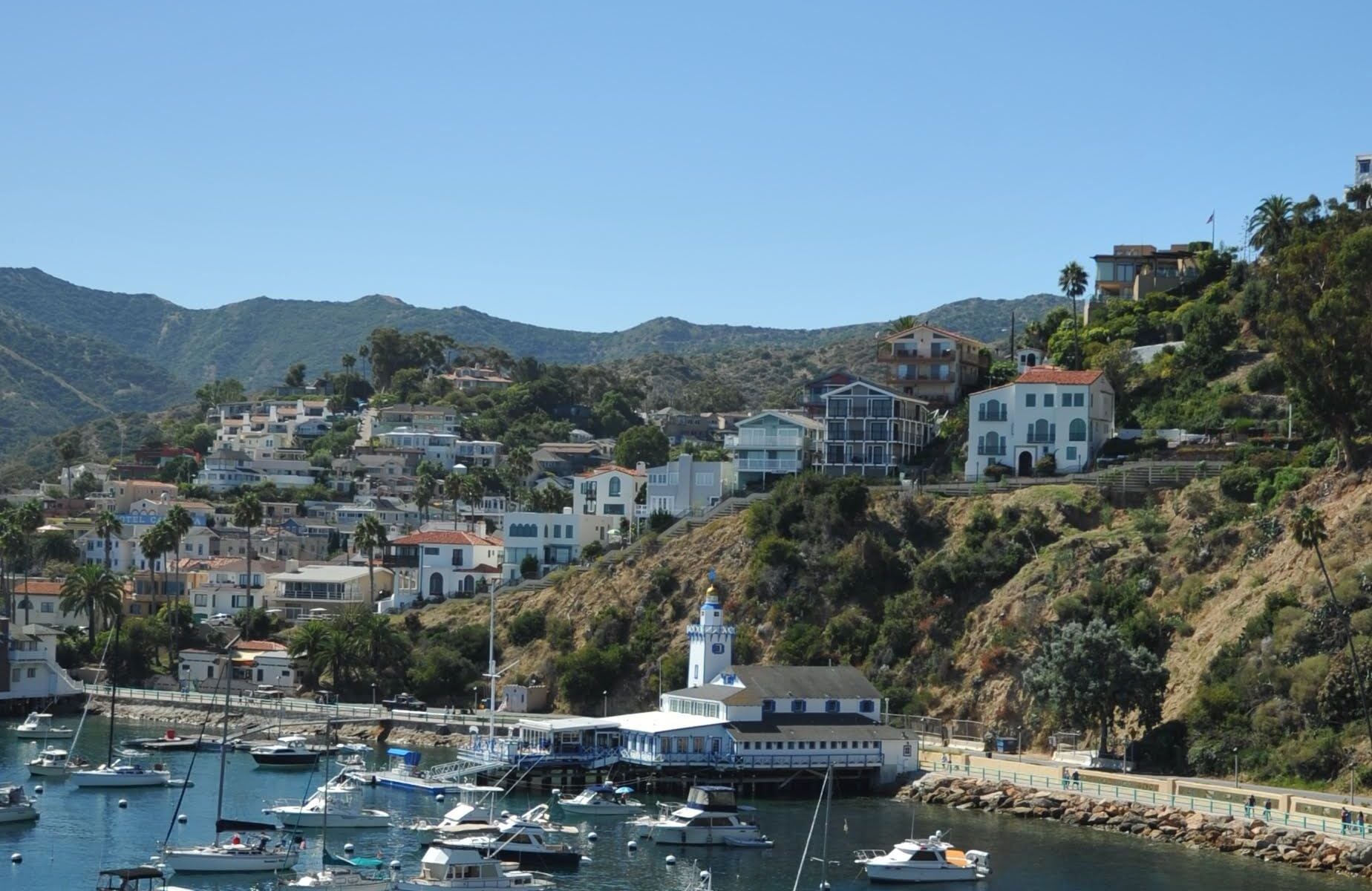
Santa Catalina Island lies about 22 miles off the coast of Southern California, reached by a roughly one-hour ferry from the mainland. Most visitors head for Avalon, the island's one small town, a walkable harbor village of pastel buildings, a curving beachfront, and the round Art Deco casino building on the point. The rest of the island is largely wild and protected, with a rugged interior of hills, cactus, and free-roaming bison descended from a 1920s film shoot.
The defining fact about Catalina is that it is nearly car-free. There is a decades-long waiting list to bring or own a car in Avalon, so residents and visitors get around on foot, by bicycle, and by golf cart, which you can rent by the hour. That gives the town a slow, quiet, boat-harbor feel unlike anywhere on the mainland coast. The water around the island is unusually clear, which makes it one of the best snorkeling and diving spots in Southern California.
Catalina is a coastal escape within reach of Greater Los Angeles and one of the state's more distinctive coastal towns. It pairs naturally with a Los Angeles trip: spend a day or two in the city around Hollywood and the beaches, then take the ferry over for a night or a long day on the island.
Getting There
The main way over is the Catalina Express ferry, which runs from Long Beach, San Pedro, and Dana Point to Avalon in about an hour, with a shorter route to Two Harbors on the island's less-developed west end. Round-trip fares run in the range of $80 to $90 for adults, less for children, and boats run multiple times a day, more in summer. Book ahead for summer weekends and holidays, when sailings fill.
From Newport Beach in Orange County, the Catalina Flyer offers a seasonal round-trip ferry to Avalon that also takes about an hour. For a faster, pricier arrival, a helicopter service links the mainland to Avalon in around 15 minutes. Whichever you choose, the crossing itself is part of the trip, with a good chance of spotting dolphins and, in season, whales along the way.
Because the island is car-free, you leave your vehicle in a paid lot at the mainland ferry terminal and arrive on foot. In Avalon everything in town is walkable, and you can rent a golf cart to tour the hillside streets and the road up to the scenic overlooks above the harbor.
What to Do
Avalon is built for easy days on and in the water. Snorkel or dive at Lover's Cove and the Casino Point Dive Park, a protected marine reserve just off the casino point with kelp forest, garibaldi, and clear water, or take a glass-bottom boat or semi-submersible tour if you would rather stay dry. Descanso Beach Club, a short walk past the casino, is a beach with lounge chairs, a bar, and an ocean zip-line and via ferrata climbing route on the cliffs above.
The landmark casino building, opened in 1929, never held gambling: the name uses the older Italian sense of a gathering place. It houses a grand circular ballroom and a still-operating movie theater with an original pipe organ, and guided tours walk you through both. Around the harbor you will find the beach, the pier, kayak and paddleboard rentals, and shops and restaurants along Crescent Avenue.
To see the wild interior, book an island tour: open-air bus and Hummer tours climb into the protected backcountry where you can spot the island's bison and take in the ridgeline views, land managed by the Catalina Island Conservancy. Serious hikers can walk the Trans-Catalina Trail, a multi-day route across the island, with a permit. Even a short golf-cart loop up to the overlooks above Avalon is worth doing for the harbor views.
Best Time to Go
Summer, June through September, is peak season, with the warmest water for snorkeling and swimming, the fullest ferry schedule, and every tour and rental running, along with the biggest crowds and highest room rates. Book ferries and lodging well ahead for summer weekends and holidays. The water is warmest and clearest in late summer and early fall.
Spring and fall are the sweet spots for a quieter visit with still-pleasant weather. September and October in particular give you warm water and thinner crowds after the summer rush. Winter is the low season: cooler, sometimes rainy, and quieter, with a lighter ferry schedule and some businesses on reduced hours, but it is also the calmest time to have Avalon to yourself.
For a day trip, catch an early ferry and a late-afternoon return to get a full day on the island. To really unwind into the car-free pace, stay a night in Avalon so you get the harbor in the quiet early morning and evening after the day-trippers have left.
Where to Stay and Eat
Avalon has a range of small hotels, inns, and vacation rentals within walking distance of the harbor, from simple rooms to a few upscale boutique properties on the hillside with harbor views. Rooms are limited and book out for summer weekends, so reserve early and expect higher rates than a comparable mainland room, since everything has to come over by boat. Two Harbors on the west end offers a more rustic, campground-and-lodge experience for a quieter stay.
For food, the restaurants cluster along Crescent Avenue and the waterfront, heavy on seafood, casual harbor-view patios, and a few nicer dinner spots. Prices run a bit higher than the mainland for the same island-logistics reason. Grab a casual lunch on the beachfront between water activities and save a sit-down dinner for the evening once the day crowds thin.
Because the island is compact and car-free, you can walk to nearly everything in Avalon from wherever you stay. A golf-cart rental is worth it for touring the hillside streets and overlooks, but you will not need one just to get to dinner.
Frequently asked questions
How do you get to Catalina Island?
The main way is the Catalina Express ferry from Long Beach, San Pedro, or Dana Point to Avalon, about an hour, with round-trip adult fares around $80 to $90. The seasonal Catalina Flyer runs from Newport Beach, and a helicopter service reaches Avalon in about 15 minutes. Book ferries ahead for summer weekends, and leave your car in the mainland terminal lot since the island is car-free.
Can you bring a car to Catalina Island?
Effectively no. There is a decades-long waiting list to own or bring a car to Avalon, so the island is car-free for visitors. You get around on foot, by bicycle, and by rented golf cart. Everything in Avalon is walkable, and a golf cart is worth renting mainly to tour the hillside streets and the overlooks above the harbor.
What is there to do on Catalina Island?
Snorkel or dive the clear water at Lover's Cove and the Casino Point Dive Park, take a glass-bottom boat tour, relax at Descanso Beach with its zip line, and tour the 1929 casino building's ballroom and theater. An open-air bus or Hummer tour into the protected interior lets you see the island's free-roaming bison. Kayaking, paddleboarding, and the harbor beach round out an easy day.
Is Catalina Island a good day trip or should you stay overnight?
Both work. For a day trip, take an early ferry and a late-afternoon return to get a full day in Avalon. Staying a night is better if you want the town at its quietest, in the early morning and evening after the day crowds leave, and it gives you time for both water activities and an interior tour without rushing the ferry schedule.
When is the best time to visit Catalina Island?
Summer has the warmest, clearest water and the fullest ferry and tour schedule, but also the biggest crowds and highest rates, so book ahead. September and October are the sweet spot, with warm water and thinner crowds. Winter is quiet and cheaper but cooler and rainier, with a lighter ferry schedule and some businesses on reduced hours.